

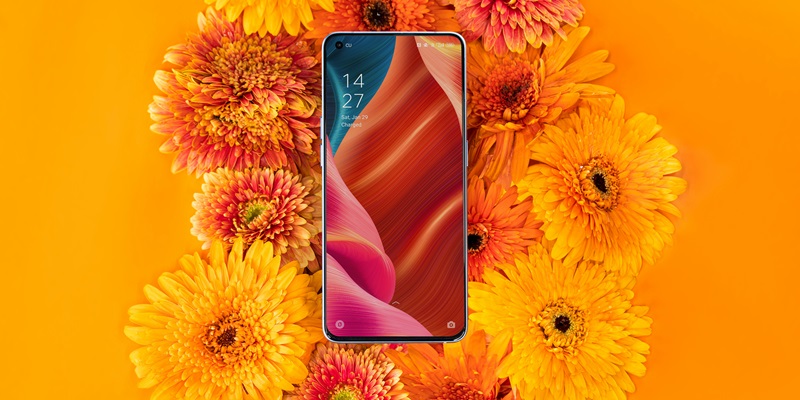
In a world awash with smartphones, each new release strives to capture the consumer’s attention with innovations and enhanced specifications. OPPO’s latest offering, the F27 Pro+ 5G, positions itself as a device that does not merely keep up with the times but is built to withstand them. Let’s delve into the intricacies that define this new entrant in the competitive smartphone arena.
A Robust Contender in the Smartphone Arena
Military-Grade Durability Meets Style
A key standout feature of the OPPO F27 Pro+ 5G is its exceptional resilience, having achieved both the IP68 standard for dust and water resistance and the coveted MIL-STD-810H certification. These markings designate the phone as not only a fashionable accessory but also a robust companion capable of weathering tough conditions without a second thought. This sturdiness is encapsulated by the use of Corning Gorilla Glass Victus 2, a name synonymous with strength in the smartphone glass sphere.
When it comes to the display, the 6.7-inch curved AMOLED captivates with its 120 Hz refresh rate, ensuring a fluid and visually stunning user experience. The display’s peak brightness tops out at 950 nits, facilitating clear readability even under the punishing glare of direct sunlight.
Power & Photography: A Balancing Act
Underneath the robust exterior, the OPPO F27 Pro+ 5G boasts power, with the MediaTek Dimensity 7050 chipset at its core. This, along with 8 GB of RAM, promises a seamless experience, whether multitasking, gaming, or navigating complex applications. With up to 256 GB of storage, there’s little worry about running out of space for essential apps and media.
Photography enthusiasts may take interest in the dual-camera setup on the rear. The 64 MP main camera, paired with a 2 MP depth sensor, raises expectations for detailed, nuanced photos. Selfie aficionados aren’t left out either, thanks to the 8 MP front camera. Both promise to capture moments in crisp clarity, memorializing them with fidelity that belies the phone’s price point.
Performance Meets Affordability
Powering Through the Day
Battery life is a cornerstone of mobile device reliability, and the OPPO F27 Pro+ 5G addresses this need with a substantial 5000 mAh battery. The inclusion of 67 W SUPERVOOC fast charging technology means that your device won’t be tethered to a wall socket for long, assuring you that it’s ready to perform whenever you are.
The absence of wireless charging might give pause to tech aficionados accustomed to the latest innovations. However, the fast-charging capability provided could very well compensate for this omission. The focus here is on efficiency and ensuring minimal disruption to the user’s day-to-day activities—a critical aspect for the modern, on-the-go individual.
Competitive Pricing with Considerations
In today’s tech-saturated market, where smartphones jostle for space and significance, OPPO’s new marvel, the F27 Pro+ 5G, is engineered not just to sync with current technology trends but also to be durable enough to endure the relentless march of innovation.
The F27 Pro+ 5G isn’t content to follow; it aims to lead. Its design philosophy and array of features hint at an understanding of future demands, suggesting durability and adaptability in equal measure. By examining the layered complexity that shapes this new contender, we can appreciate how OPPO intends to make a statement in an overcrowded, intensely competitive smartphone battlefield. With much at stake, the F27 Pro+ 5G asserts its relevance by promising to be more than a step ahead—it is an investment in sustained connectivity and performance, anticipating the future’s demands in the palm of your hand.