

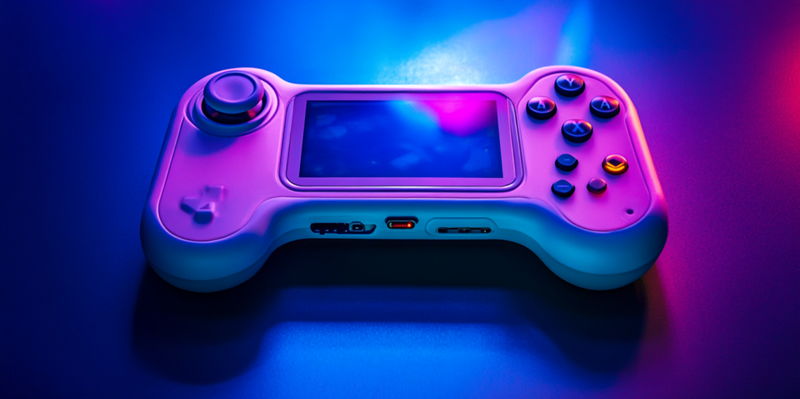
The landscape of handheld gaming devices has been permanently altered with the release of the ONEXFLY F1 Pro, the world’s first gaming handheld device featuring AMD’s Strix Point "Ryzen AI 300" APUs. Unveiled by OneXPlayer, under their subsidiary One-Netbook, this device promises to deliver advanced gaming capabilities packed into a sleek, portable package. The ONEXFLY F1 Pro is available with various configurations, and pricing starts from $1099, climbing up for top-end models. This sophisticated piece of technology is set to carve out a significant niche in an already competitive market, drawing attention to its cutting-edge specifications and performance benchmarks.
Advanced Configurations and Pricing of the ONEXFLY F1 Pro
Distinct Variants and High-End Specifications
The ONEXFLY F1 Pro comes in multiple configurations, catering to varied preferences and performance needs. These include the Ryzen AI 9 365 and the more powerful Ryzen AI 9 HX 370 models. Both versions are equipped with a hefty 32 GB of LPDDR5x-7200 memory and offer storage options ranging from 1 TB to a staggering 4 TB. The price for the base model 1 TB version of the Ryzen AI 9 365 starts at $1199. However, for gamers seeking the maximum storage and performance, the higher-end 4 TB variant sees the price rise significantly to $1699. Despite the steep price, these configurations promise immense power and storage capacity, ensuring a smooth gaming experience even for the most demanding titles.
The advanced specifications are complemented by a 7-inch 1080P 144Hz OLED display, delivering vibrant and crisp visuals. This, coupled with a 48.5 Wh battery, ensures that gamers can enjoy a solid battery life, making it a reliable companion for extended gaming sessions. Further adding to its appeal are the connectivity options it offers. The device includes 2x USB 4.0 ports, 1x USB-A 3.0 port, and a microSD slot, thereby ensuring that connecting peripherals and expanding storage is never a hassle. The premium design also incorporates RGB-lightened joysticks and distinctive branding that accentuate its sleek look, appealing to gamers who value aesthetics.
Impressive Performance Benchmarks
The performance benchmarks of the ONEXFLY F1 Pro set it apart from other handheld gaming devices in the market. Demonstrating its capability, the handheld device has shown it can run demanding games like Black Myth: Wukong at a remarkable 50-60 FPS in 1080p low settings. This level of performance is particularly impressive for a handheld device, illustrating its potential to handle high-end gaming experiences on the go. The robust hardware packed within the ONEXFLY F1 Pro’s compact frame ensures that it can compete with, if not outdo, other high-end models available.
Such performance positions the ONEXFLY F1 Pro firmly within the high-end segment of the gaming handheld market. Its powerful components ensure that loading times are minimal, gameplay is seamless, and visuals remain consistently stunning. As a result, the ONEXFLY F1 Pro could very well be one of the fastest and most capable handheld gaming devices available today. Serious gamers seeking a portable yet powerful gaming solution will undoubtedly find the ONEXFLY F1 Pro a worthy investment for its superior performance capabilities.
Market Impact and Competitive Position
Targeting Serious Gamers
The introduction of the ONEXFLY F1 Pro underscores OneXPlayer’s ambition to capture the interest of serious gamers. Its high-performance features, premium design elements, and advanced specifications suggest that it is poised to meet the high expectations of this demanding market segment. While the price points might be steep, the device’s capabilities likely justify the cost, offering unmatched performance and design features that set it apart from other handheld gaming devices. This strategic focus indicates OneXPlayer’s commitment to carving out a significant share of the market by addressing the needs and desires of hardcore gamers.
The adoption rates and market reception will play crucial roles in determining the success of the ONEXFLY F1 Pro. Competing against established brands such as ASUS and MSI, OneXPlayer will need to distinguish itself through consistent performance and continued innovation. The unique selling points of the ONEXFLY F1 Pro, including the pioneering use of AMD’s Strix Point "Ryzen AI 300" APUs and its exquisite design features, create a strong foundation upon which to build its reputation in the gaming community.
Innovations Driving Change
The handheld gaming device landscape has undergone a significant transformation with the launch of the ONEXFLY F1 Pro. This groundbreaking device, introduced by OneXPlayer through their subsidiary One-Netbook, promises to offer exceptional gaming experiences within a sleek and portable design. Boasting a range of configurations, the starting price for the ONEXFLY F1 Pro is set at $1099, with more advanced models available for higher costs. With its advanced specs and remarkable performance benchmarks, this sophisticated piece of technology is poised to carve out a substantial niche in the highly competitive gaming market. The ONEXFLY F1 Pro stands to attract considerable attention for its innovative features and portability, making it a compelling choice for serious gamers looking for high-quality, on-the-go gaming experiences. This release highlights the ongoing advancements in gaming technology and sets a new standard for what gamers can expect from handheld devices.