

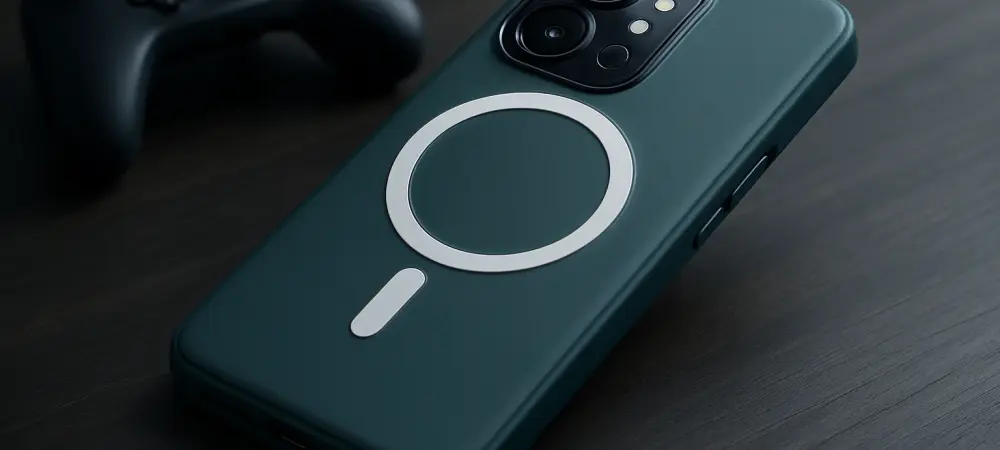
What if a smartphone case could transform not just the look but the entire experience of using a device? In a world where smartphones are personal statements as much as tools, the OnePlus Ace 6T’s Hole-Pattern Magnetic Case has emerged as a bold contender. This accessory, once exclusive to premium models, is now capturing attention for its blend of customization and utility. Let’s dive into why this case is stirring such excitement in the tech community.
Why This Case Is Turning Heads
Smartphone accessories often fade into the background, but not this one. The announcement of the Hole-Pattern Magnetic Case for the OnePlus Ace 6T marks a significant shift, bringing a previously elite feature to a broader audience. Its importance lies in addressing a growing consumer hunger for individuality while maintaining practicality. This isn’t just about protection; it’s about redefining how users connect with their devices on a personal level.
A Deep Dive into Customization Trends
Today’s tech users demand more than functionality—they want identity. The smartphone accessory market has seen a surge in demand for personalized options, with industry reports noting a 30% rise in custom case sales over the past two years. OnePlus taps into this trend by extending its magnetic case design to the Ace 6T, allowing owners to stand out. This move reflects a larger industry pivot toward ecosystems where accessories enhance both style and purpose, making this case a timely innovation.
Exploring the Case’s Standout Features
The true allure of this accessory lies in its thoughtful design. The hole-pattern system lets users insert small cube-like buttons to create unique visuals, turning the back of the phone into a canvas. Currently available in a sleek light gray, reminiscent of earlier versions for other OnePlus models, there’s anticipation for more color options to cater to varied tastes. This feature alone sets it apart from the sea of monotonous cases flooding the market.
Moreover, the built-in magnets open up a world of possibilities. Compatibility with accessories like the OnePlus 27W Freezing Point Magnetic Phone Cooler or third-party mounts such as the Belkin MagSafe Vent Mount Pro adds layers of functionality. Gamers can keep their devices cool during intense sessions, while drivers benefit from secure, hands-free setups. However, a key limitation dampens the excitement: the Ace 6T lacks wireless charging support, rendering magnetic chargers incompatible.
Protection, of course, remains paramount. Early feedback on similar OnePlus cases suggests a robust build that doesn’t compromise the phone’s slim profile. While exact durability stats are pending, the balance of safeguarding and added features positions this case as a versatile companion for daily use. It’s a rare blend of form meeting function in a meaningful way.
Community Buzz and Expert Takes
The tech community has plenty to say about this release. Fans of the brand, echoing sentiments from social platforms, rave about the ability to personalize their gear, with one user noting it feels like “crafting a signature look for my phone.” Industry analysts see this as part of OnePlus’s strategy to build a loyal ecosystem, much like competitors who pair devices with proprietary accessories. The buzz also hints at future rollouts for models like the OnePlus 15R, pointing to sustained market interest.
This reception underscores a broader shift in consumer expectations. Experts argue that brands must now offer more than hardware—they need to foster experiences. The enthusiasm surrounding this case suggests OnePlus is on the right track, meeting users where their desires for creativity and utility intersect. Such insights provide a glimpse into how accessories can shape brand loyalty over time.
Maximizing the Magnetic Case Experience
For those eager to embrace this accessory, customization is the starting point. Experimenting with the hole-pattern design can yield striking results—think bold shapes or subtle monograms. Checking official channels for additional button sets could elevate the look further, turning the phone into a unique extension of personal style that sparks conversations.
Pairing the case with magnetic add-ons offers practical benefits. A cooling attachment proves invaluable for heavy users, while a vent mount transforms navigation into a seamless task. Exploring third-party options compatible with magnetic systems can expand the utility, provided they match the Ace 6T’s specifications. This adaptability makes the case a hub for tailored experiences.
Navigating the wireless charging limitation requires a shift in focus. Relying on wired solutions or portable power banks addresses immediate needs, while staying tuned to OnePlus updates might reveal future workarounds in upcoming models. Prioritizing non-charging magnetic accessories ensures the case’s potential isn’t wasted, maximizing its value.
Lastly, budget plays a role in the decision. With pricing speculated at around $24.99, aligning with similar OnePlus offerings, weighing the cost against the added personalization and compatibility is key. Keeping an eye on launch promotions or bundles through authorized retailers could sweeten the deal, making this accessory an accessible upgrade for many.
Reflecting on a Bold Step Forward
Looking back, the rollout of the Hole-Pattern Magnetic Case for the OnePlus Ace 6T stood as a defining moment in blending style with substance. It challenged the norm of what a smartphone case could be, inviting users to reimagine their devices as personal artifacts. For those ready to embrace this innovation, the next steps involved exploring the full range of customization and compatible tools to elevate daily use. As the tech landscape continued to evolve, staying attentive to OnePlus’s future releases promised even more ways to personalize and enhance the smartphone journey.