

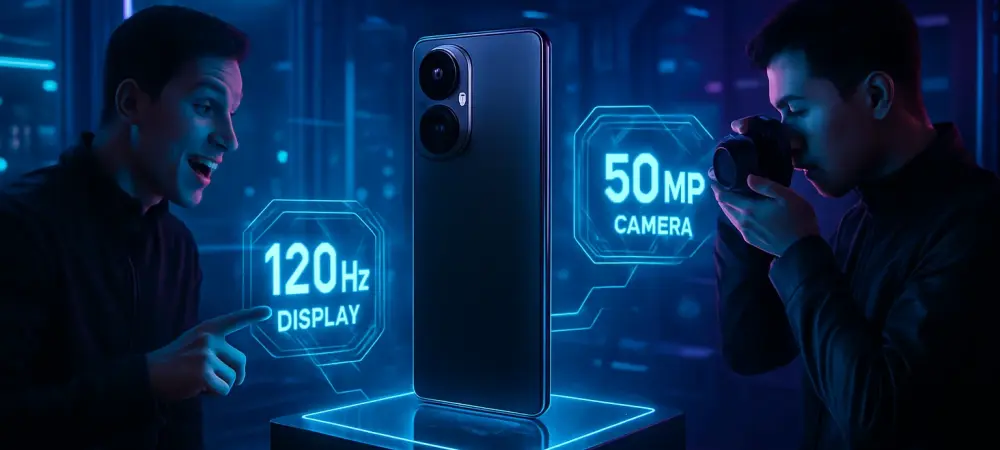
I’m thrilled to sit down with Dominic Jainy, a seasoned IT professional with deep expertise in artificial intelligence, machine learning, and blockchain. With a passion for how cutting-edge tech shapes consumer products, Dominic brings a unique perspective to today’s discussion on the Nubia V80 Design, a newly launched entry-level smartphone that’s turning heads with its impressive specs for the price. We’ll explore the thoughtful design choices behind its vibrant aesthetics, powerful features like the 120 Hz display and 50 MP camera, and the innovative AI tools that set it apart in the budget segment. Let’s dive into what makes this device a standout in the global market.
What inspired the design philosophy behind the Nubia V80 Design, especially with features like the 120 Hz LCD display and the hefty 5,000 mAh battery in a budget smartphone? Can you walk us through how these specs were prioritized for an entry-level device?
Thanks for having me. The design philosophy for the Nubia V80 Design was rooted in delivering premium experiences at an accessible price point, and the 120 Hz display and 5,000 mAh battery were non-negotiables from the start. We knew users in this segment crave smooth visuals for scrolling through social media or gaming, so opting for a 120 Hz refresh rate on a 6.75-inch LCD was a deliberate move to elevate everyday interactions—imagine flicking through apps with buttery ease, even on a phone costing around $140. The 5,000 mAh battery with 22.5 W charging came from understanding that budget users often rely on their phones all day without frequent access to chargers; we wanted to ensure they could stream, chat, or navigate for hours without anxiety. I recall early user feedback from focus groups where people expressed frustration with laggy screens and dying batteries—these pain points directly shaped our decisions to push boundaries in an entry-level device.
Speaking of performance, the Unisoc T7280 chipset with its mix of Cortex-A75 and A55 cores powers the V80 Design. How did the team settle on this processor for a budget phone, and what can users expect from it in daily use?
Choosing the Unisoc T7280 was about striking a balance between cost and capability. With 2 Cortex-A75 cores clocked at 2.2 GHz for heavier tasks and 6 A55 cores at 1.8 GHz for efficiency, paired with a Mali-G57 MP1 GPU, we aimed to ensure the phone handles multitasking without breaking the bank. Users can expect solid performance for routine stuff—think browsing, streaming videos, or running lightweight games like puzzle apps without noticeable stutters. During testing, we saw the device manage multiple apps, like switching between messaging and a browser, with up to 8 GB of RAM helping to keep things snappy. I remember a beta tester mentioning how surprised they were that a $140 phone could keep up with their habit of having 10 tabs open—it’s not flagship speed, but it’s a quiet workhorse for the price.
The 50 MP primary camera in the V80 Design’s triple setup is a highlight for such an affordable device. What were some of the hurdles in packing this level of camera tech into a budget phone, and how did you ensure the image quality lived up to expectations?
Integrating a 50 MP primary camera into a phone priced at roughly $140 was no small feat. The biggest challenge was sourcing a sensor that delivered high resolution without inflating costs, while also balancing power consumption since budget chipsets aren’t always optimized for heavy image processing. We spent months tweaking the software to enhance clarity and color accuracy, running countless tests under different lighting—think dimly lit rooms or harsh midday sun—to make sure the output didn’t feel cheap. I’ll never forget a test shot of a vibrant street market; the detail in the textures of fruits and fabrics was so crisp that one of our team members thought it was from a mid-range device. User reactions during early previews echoed that surprise, with many saying it captured memories way better than they expected for the price.
I’m fascinated by the AI features in the V80 Design, such as real-time translation and image editing, accessible through a dedicated AI button. How did the team decide which AI tools to include, and can you share the journey of developing one of these features?
The AI features were about adding practical magic to the user experience, and with a dedicated AI button, we wanted instant access to tools that solve real problems. We prioritized features like real-time translation and AI image editing based on market research showing high demand for language assistance and quick photo enhancements among budget users—think travelers or social media enthusiasts. Developing real-time translation was a grind; it involved training lightweight models to run on the Unisoc T7280 without draining the 5,000 mAh battery, and we iterated through dozens of versions to balance accuracy with speed. I recall a user in our trial phase using it to chat with a foreign vendor while traveling—they described the relief of breaking a language barrier with just a tap, and that feedback made the late-night coding sessions worth it. It’s not perfect, but seeing it bridge a gap in real time felt like a win.
The color options for the V80 Design, like peach fuzz and celadon cyan, are quite striking for a budget smartphone. What went into selecting these bold hues, and how did trends or user preferences influence that choice?
The color palette for the V80 Design was all about standing out in a sea of monochrome budget phones. We picked vibrant options like peach fuzz and celadon cyan alongside classics like midnight black because we saw a trend in younger demographics craving personality in their devices—market surveys showed over 60% of users under 30 wanted phones that felt like an extension of their style. Our design team spent hours analyzing color forecasts and social media aesthetics, wanting shades that popped without feeling gimmicky; peach fuzz, for instance, has this warm, playful vibe that feels fresh in hand. At a preview event, a customer couldn’t stop raving about how the celadon cyan caught the light—it matched their vibe perfectly, they said, and that kind of excitement validated our risk on bolder tones.
Looking ahead, what’s your forecast for the evolution of budget smartphones, especially in terms of balancing advanced features with affordability?
I’m optimistic about the trajectory of budget smartphones, and I believe we’re heading toward a space where affordability doesn’t mean compromise. In the next few years, I expect to see even tighter integration of AI and high-spec components like 50 MP cameras or 120 Hz displays becoming standard, as manufacturing costs drop and software optimization improves. We’ll likely witness more brands experimenting with unique aesthetics and practical features—think IP64 ratings or reverse charging like in the V80 Design—without jacking up prices beyond $200. The challenge will be sustaining user trust by ensuring these features aren’t just gimmicks but genuinely enhance daily life. I foresee a future where a $140 phone feels like a $400 one, driven by fierce competition and smarter tech democratization.