

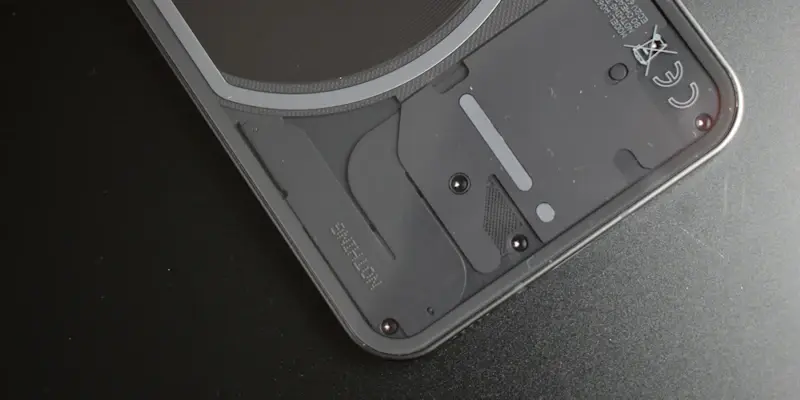
In today’s highly competitive smartphone market, the Nothing Phone (3a) Pro has emerged as a strong contender, capturing attention with its advanced features and innovative design. Following a series of leaks and teasers, the Phone (3a) Pro was officially launched, showcasing top-tier specifications, especially in its camera setup. This launch marks Nothing’s attempt to make a significant mark in the Android ecosystem and to challenge the established giants with a fresh perspective and unique offerings.
Unparalleled Camera Capabilities
One of the most talked-about features of the Nothing Phone (3a) Pro is its sophisticated camera system, which promises to elevate mobile photography to new heights. The primary distinctions between the Pro model and the regular Phone (3a) lie in these advanced camera capabilities, making it a potential game-changer for photography enthusiasts. The main rear camera boasts a 50 MP wide-angle lens from Samsung, complete with optical image stabilization (OIS), ensuring sharp and vibrant photos even in challenging conditions. Additionally, the 50 MP periscope telephoto lens from Sony LYT 600 allows for up to 3x optical zoom and an incredible 60x digital zoom, providing unparalleled detail and versatility in capturing distant subjects.
The inclusion of an 8 MP ultra-wide-angle lens from Sony ensures that users can capture expansive scenes and landscapes with ease. What sets the Phone (3a) Pro apart is its front camera, featuring an impressive 50 MP sensor, a significant upgrade from the 32 MP offering on the standard Phone (3a). This leap makes the Pro model particularly appealing to selfie enthusiasts and video callers, promising superior clarity and detail. These camera advancements signal Nothing’s ambition to redefine mobile photography standards and compete with flagship devices from other leading brands.
Cutting-Edge Specifications and Design
Beyond its impressive camera capabilities, the Nothing Phone (3a) Pro offers a suite of high-end specifications designed to deliver a seamless and powerful user experience. It features a 6.77-inch AMOLED display with a 120 Hz refresh rate, ensuring smooth scrolling and vibrant visuals. Powering the device is the Snapdragon 7s Gen 3 chipset, which, combined with 12 GB of RAM and 256 GB of storage in the global configuration, provides ample performance for demanding applications and multitasking. The device is also equipped with a 5,000 mAh battery, supporting 50 Watt wired fast charging, although it lacks wireless charging capabilities.
The design of the Phone (3a) Pro retains the signature glyph interface characteristic of Nothing devices, offering a unique visual identity. Additional features include an under-display fingerprint sensor for secure and convenient unlocking, Wi-Fi 6, Bluetooth 5.4, and NFC for enhanced connectivity. The device is available in multiple configurations to cater to different markets, with the Indian variant offering additional RAM and storage options.
Market Implications and Final Thoughts
In today’s fiercely competitive smartphone market, the Nothing Phone (3a) Pro has emerged as a formidable player, drawing significant attention for its advanced features and innovative design. The anticipation built by a series of leaks and teasers culminated in the official launch of the Phone (3a) Pro. This device boasts top-tier specifications, particularly in its camera setup, which has been a major highlight for tech enthusiasts. Nothing aims to make a significant impact in the crowded Android ecosystem by challenging established giants with its fresh perspective and unique offerings. The Phone (3a) Pro stands out amid a sea of similar phones, thanks to its sleek design and cutting-edge technology. The brand’s commitment to innovation is clear in every aspect of this device, from its user-friendly interface to its impressive performance metrics. This launch is a calculated move by Nothing to not only carve out its niche but also to potentially redefine user expectations in the world of Android smartphones.