

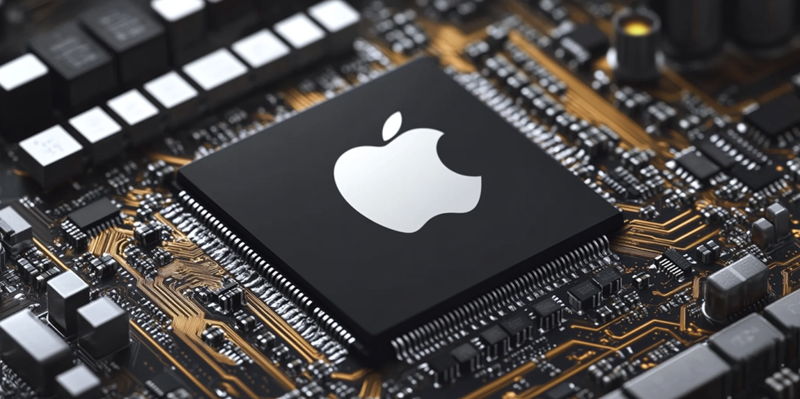
Apple has just unveiled a redesigned Mac Mini that incorporates their latest M4 chip, following its initial debut in the iPad Pro. This marks a significant leap from its last update in January 2023 with the M2 chip, as the new Mac Mini comes equipped with either the M4 or M4 Pro processors. Defying rumors that suggested an M3 debut, Apple has instead chosen to integrate its cutting-edge technology directly into the 2024 Mac Mini. The new model features a considerable redesign, the first in a decade, shrinking its dimensions to just five inches across. An innovative cooling solution efficiently directs air throughout the enclosure and out through a vented foot, ensuring optimal performance.
One of the most notable aspects of the redesigned Mac Mini is its impressive array of connectivity options. The device now boasts two front-facing USB-C/Thunderbolt ports, three additional ones at the back, a 3.5mm audio jack, Ethernet, and an HDMI port. Although the absence of any USB-A ports might be disappointing for some users, the enhanced utility more than compensates for this drawback. Priced starting at $599 for the M4 version and $1,399 for the M4 Pro variant, the new Mac Mini also offers a significant upgrade in CPU and GPU cores. The M4 Pro variant even supports Thunderbolt 5, a feature that will likely appeal to those in need of high-speed data transfer and expanded peripheral support.
Memory and AI Capabilities
In response to the growing memory demands of generative AI applications, Apple has doubled the base RAM offering in all configurations of the new Mac Mini. Each model now comes standard with at least 16GB of RAM, a notable increase from previous models. This change underscores Apple’s commitment to supporting its AI technology initiatives and ensuring that the new Mac Mini is well-equipped for the future. Pre-orders for the revamped Mac Mini have already opened, with shipping set to begin on November 8. However, potential buyers might want to consider waiting, as Apple is expected to launch the M4 MacBook Pro soon, which will also start with a base of 16GB RAM. Although the laptops won’t feature a significant redesign, they promise notable performance enhancements.
The introduction of the new Mac Mini aligns well with broader industry trends favoring compact, high-performance computing solutions. Given the increasing importance of AI capabilities, the substantial memory enhancements in the new models are particularly timely. These upgrades, combined with a sleek new design and powerful new internal components, make the latest Mac Mini a compelling option for both personal and professional use.
Conclusion
Apple has just unveiled a revamped Mac Mini featuring their latest M4 chip, initially introduced with the iPad Pro. This launch signifies a major upgrade from its previous January 2023 version with the M2 chip, offering either M4 or M4 Pro processors. Despite rumors predicting an M3 debut, Apple opted to integrate its advanced technology into the 2024 Mac Mini. This model boasts its first physical redesign in a decade, reducing its size to just five inches across. An innovative cooling system efficiently channels air through the enclosure and out via a vented foot, ensuring peak performance.
A standout feature of the redesigned Mac Mini is its comprehensive connectivity options. It now includes two front-facing USB-C/Thunderbolt ports, three additional ones at the back, a 3.5mm audio jack, Ethernet, and an HDMI port. While the lack of USB-A ports might disappoint some users, the enhanced connectivity more than makes up for it. Starting at $599 for the M4 model and $1,399 for the M4 Pro variant, this new Mac Mini offers significant CPU and GPU core upgrades. The M4 Pro model even supports Thunderbolt 5, appealing to those needing high-speed data transfer and expanded peripheral support.