

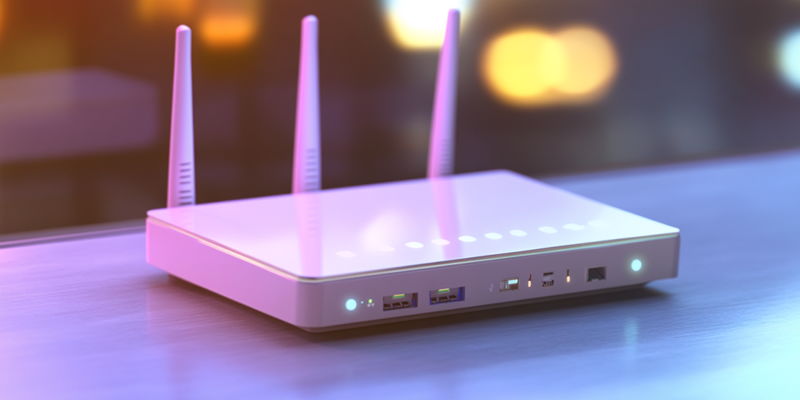
The Netgear Nighthawk RS300 has emerged as a strong contender in the Wi-Fi 7 router market, promising an affordable entry point into the latest generation of wireless networking technology. This article delves deep into the various aspects of the RS300, evaluating its design, features, performance, and the overall value proposition it offers to home users and small businesses alike.
Delivering High-Speed Performance at an Affordable Price
Balancing Cost and Performance
Positioned as a budget-friendly option within the Wi-Fi 7 router lineup, the Netgear Nighthawk RS300 stands out for its impressive performance given its cost. This router aims to offer a high-speed upgrade without the premium price tag associated with higher-end models. Its ability to achieve top speeds of 9.3Gbps makes it a suitable choice for activities such as gaming, streaming 4K content, and other bandwidth-intensive applications.
While it may not be the fastest Wi-Fi 7 router available, the RS300 provides speeds that are more than adequate for typical home and small business environments. Its price point substantially lowers the entry barrier for those looking to benefit from Wi-Fi 7 technology. This balance between cost and performance makes the device appealing to a wider audience who need faster, more reliable internet connectivity without breaking the bank.
Specifications and Connectivity Features
The RS300 is equipped with tri-band Wi-Fi 7 support, including a 2.5Gb Ethernet port for WAN connections and additional 2.5Gb Ethernet ports for LAN connections, plus a USB-A port, accommodating various connectivity needs. This robust set of features positions the RS300 as a versatile router capable of handling multiple high-speed devices simultaneously, allowing users to take full advantage of the latest Wi-Fi 7 technology. Beyond just raw speed, Wi-Fi 7 promises lower latency, which is particularly beneficial for real-time applications like online gaming and video conferencing.
By providing multiple high-speed Ethernet ports and tri-band capabilities, the RS300 ensures that network congestion is minimized. These hardware specifications are integral to delivering enhanced performance and reduced latency compared to previous generations, making the RS300 a future-proof choice for tech-savvy households and small enterprises. The inclusion of a USB-A port adds an extra layer of versatility, enabling users to connect external storage devices, printers, or other peripherals directly to the router.
Design Considerations and Practicality
Functional and Practical Design
The design of the Nighthawk RS300 is utilitarian, featuring a tall, obelisk-like structure that ensures 360-degree Wi-Fi coverage. This design choice is focused on practical performance, aiming to evenly distribute Wi-Fi signals throughout a home or office setting. With its sleek and modern appearance, the plastic casing, while less sturdy than the pricier RS700, maintains a professional look that blends well into various environments.
The upright tower design not only optimizes signal distribution but also saves space, making it easy to place the router in various locations without disrupting the decor. This form factor is particularly beneficial for users with limited space, allowing the RS300 to fit seamlessly into a variety of settings, from home offices to small business environments. Its functional design underscores its core purpose—delivering robust Wi-Fi coverage efficiently and effectively.
User-Friendly Setup and Management
Setting up the RS300 is made straightforward through the Nighthawk app, which allows users to connect seamlessly by scanning a QR code. This simplified installation process is an advantage for users who may have limited technical knowledge, making the router accessible to a broader audience. The app also offers basic parental controls and enables easy management of the router’s settings, covering essential features without overwhelming the user.
Despite the ease of setup, some advanced features within the Nighthawk app are locked behind a subscription model. This approach means that while the basic functionalities suffice for everyday use, those seeking more advanced control will need to consider the additional cost. The subscription model, while a common industry practice, may be seen as both an advantage and a drawback. For users with basic requirements, the included features are sufficient, but for those needing comprehensive control and additional functionalities, subscription fees become a factor.
Parental Controls and Security Features
Basic Versus Advanced Parental Controls
One notable aspect of the RS300 is its approach to parental controls, offering essential features such as setting bedtime or dinnertime Internet pauses. These basic functionalities are sufficient for standard needs, providing an easy way for parents to manage their children’s online activities. However, more advanced functionalities like content filters and detailed usage reports require a paid subscription, which can be a drawback for some users.
This subscription-based model may be viewed differently depending on individual needs and budget. For users with basic requirements, the included features will suffice, but those needing more comprehensive control will need to account for the additional expenses. While the initial setup and basic controls are user-friendly and straightforward, the need for subscriptions to access full capabilities may dissuade some potential buyers from opting for this model.
Security Enhancements through Subscriptions
As with parental controls, advanced security features on the RS300 also necessitate a subscription. The Nighthawk app offers a free 30-day trial period for these features, allowing users to test them before committing to a subscription. Enhanced security features can include advanced threat detection, malware protection, and network data analysis, providing an extra layer of protection for users concerned about cyber threats.
This model aligns with broader industry trends where hardware is complemented by optional, fee-based service enhancements. The subscription services not only enhance parental controls but also provide additional layers of security, making the RS300 a flexible option for users who value an affordable router with the option for advanced functionalities. For users who prioritize security and wish to ensure their network is well-protected, the subscription model offers a scalable solution.
Evaluating the Performance in Real-World Scenarios
Handling Top Internet Speeds
Performance evaluations of the RS300 indicate its efficiency in handling top internet speeds available in various settings. This router effectively resolves common issues associated with older models, such as signal dropout and limited range. Its ability to maintain strong performance across different distances and obstructions makes it a reliable choice for extending Wi-Fi coverage in medium-sized spaces, whether in a home or small business environment.
The performance metrics of the RS300 showcase its capability to support multiple high-speed devices simultaneously, ensuring smooth and uninterrupted online experiences. Whether it’s for streaming high-definition videos, engaging in online gaming, or managing a home office, the RS300 provides the necessary bandwidth and stability. These real-world performance evaluations affirm that the RS300 is not just a theoretical improvement but a practical solution for modern connectivity demands.
Consistency and Reliability across Different Settings
The RS300 has been tested in various environments, and the results consistently show its ability to provide robust and reliable internet connectivity. The router’s performance remains dependable across multiple settings, ensuring that users experience fewer interruptions and more consistent speeds. This consistency is particularly important for users who depend on reliable internet for work, entertainment, or educational purposes.
The RS300’s strong performance across different settings makes it an attractive option for those looking to upgrade to Wi-Fi 7 while avoiding the unreliability that can sometimes accompany new technology. By delivering on its promise of robust connectivity, the RS300 meets the expectations of users who require a dependable and high-performing router. Its reliability across varied environments underscores its versatility and capability as an affordable Wi-Fi 7 solution.
Growing Accessibility of Wi-Fi 7
The Netgear Nighthawk RS300 has established itself as a formidable contender in the Wi-Fi 7 router market, offering an accessible gateway to the latest in wireless networking technology. This article thoroughly examines the RS300, scrutinizing its design, features, performance, and overall value for both home users and small businesses.
The RS300’s sleek design is paired with robust functionality, making it a suitable choice for modern households and small offices. Not only does it promise faster internet speeds, but it also ensures a more stable connection, supporting multiple devices without lag. It features advanced security protocols to protect against cyber threats, ensuring that your network remains secure.
Performance-wise, the RS300 excels with its capability to handle high-bandwidth activities such as 4K streaming, online gaming, and video conferencing. Its user-friendly interface makes it easy to set up and manage, even for those who aren’t tech-savvy.
Ultimately, the Netgear Nighthawk RS300 is an excellent investment for anyone looking to upgrade to Wi-Fi 7 without breaking the bank. It balances cost with cutting-edge technology, making it a compelling choice for improving your internet experience. Whether you’re a home user needing reliable connectivity or a small business seeking performance and security, the RS300 stands out as a valuable option in the realm of modern routers.