

The tight clearance between the primary GPU slot and the PCIe x1 slots may complicate the installation of larger triple-slot graphics card models. This specific physical limitation is one of the few reminders that the MSI PRO B550M-P WiFi6E prioritizes essential functionality over the expansive board layouts found in more expensive enthusiast tiers. In 2026, the PC hardware landscape is dominated by DDR5-based systems, yet this motherboard continues to offer a compelling argument for the AM4 platform. It serves as a bridge for builders who recognize that high-end legacy components still provide exceptional value for productivity and mid-range gaming. By maintaining production of this reliable model, MSI allows users to leverage the vast, affordable secondary market for Ryzen 5000 series processors. This strategy caters to a pragmatic demographic that values proven stability and lower entry costs over the marginal performance gains of the newest silicon generations, ensuring that efficient computing remains accessible to everyone.
Structural Foundations and Thermal Management
Building for Utility and Stability
The physical construction of this motherboard reflects a commitment to industrial-grade reliability rather than aesthetic showmanship. Measuring a standard 9.6 by 9.6 inches, the Micro-ATX form factor ensures compatibility with a wide array of compact and mid-tower cases, making it a versatile choice for office upgrades or home office builds. The motherboard utilizes a sophisticated four-layer printed circuit board design, which incorporates two ounces of thickened copper to enhance electrical conductivity and heat dissipation. This architectural choice is vital for maintaining signal integrity, particularly when running modern high-speed peripherals. While the board lacks the pre-installed I/O shields or decorative plastic shrouds found on gaming-centric models, the exposed, all-black PCB provides a clean and professional look. The absence of these superficial components actually simplifies the installation process in tight chassis, where bulky heatsinks might otherwise interfere with cable management.
Structural Integrity and Board Layout
Beyond the core electrical components, the motherboard layout is designed to facilitate a logical assembly process, even for those working in cramped environments. The positioning of the primary power connectors and fan headers allows for streamlined cable routing, which is essential for maintaining a clean internal look and unobstructed airflow. By placing the 24-pin ATX and 8-pin EPS connectors near the edges of the PCB, MSI has minimized the amount of cable clutter that often obstructs thermal paths. Furthermore, the inclusion of clearly labeled headers for front-panel connections reduces the time required for troubleshooting during the initial setup phase. This attention to detail demonstrates that even a budget-friendly board can provide a high-quality building experience. For users who prioritize a functional and easy-to-maintain system, this board offers a no-nonsense approach that eliminates the complexity of integrated lighting controllers and heavy aesthetic covers.
Efficient Power Delivery Systems
Thermal performance remains a critical consideration for any modern build, especially when utilizing high-core-count processors in a 2026 environment. The MSI PRO B550M-P WiFi6E features a 10+2+1 Duet Rail Power System designed to deliver consistent voltage to the CPU socket. This power delivery system is supported by 50Amp DrMOS circuitry, which provides a higher level of efficiency compared to traditional discrete MOSFETs. However, builders must be aware that this specific model does not include integrated VRM heatsinks. This omission implies that the motherboard is best suited for scenarios with consistent, active airflow across the socket area. When pairing this board with power-hungry CPUs like the Ryzen 9 series, it is advisable to utilize downward-blowing air coolers or ensure the case fans are positioned to provide direct cooling to the power phases. This focus on standard thermal environments allows the board to remain cost-effective while providing the electrical stability required.
Component Reliability and Longevity
The mechanical stability of the motherboard is further enhanced by the use of high-quality capacitors and chokes that are rated for extended operation under varied load conditions. These components are critical for preventing system instability or unexpected shutdowns, which is a major concern for users who rely on their computers for critical daily tasks. While the board does not feature the heavy-duty armor plating of high-end gaming motherboards, the quality of the solder joints and the precision of the component placement reflect MSI’s established manufacturing standards. This reliability is particularly important in 2026, as users expect their hardware to last significantly longer than the typical replacement cycles of a decade ago. By investing in the core structural integrity of the motherboard, the manufacturer has created a product that can withstand the rigors of frequent use without degrading. This focus on the fundamental physical properties of the hardware ensures that the system remains a dependable tool for daily use.
Computational Capability and Storage Versatility
Memory and Processing Capabilities
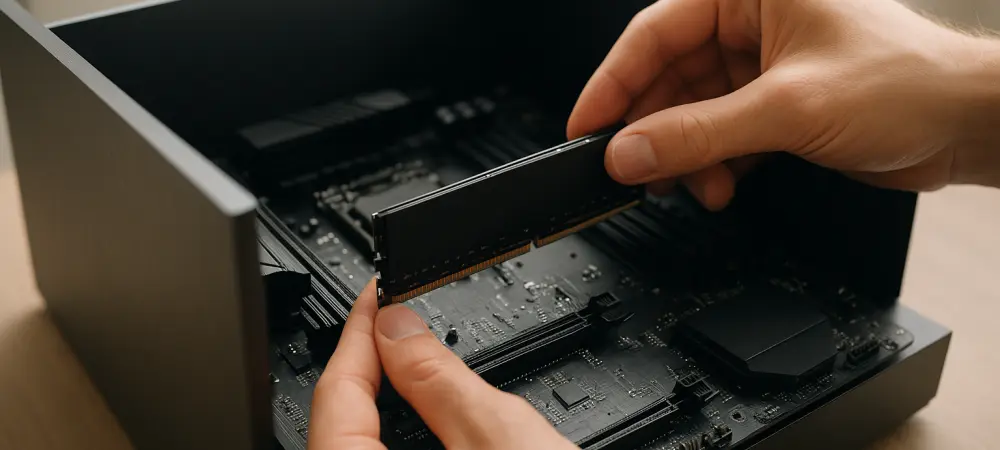
Despite the industry-wide shift toward newer socket types, the AM4 platform continues to demonstrate remarkable resilience thanks to its mature ecosystem and robust driver support. This motherboard supports a vast range of processors, stretching from the foundational Ryzen 3000 series up to the highly efficient Ryzen 5000 series chips that still lead in many price-to-performance benchmarks today. With four DIMM slots available, the board can accommodate up to 128GB of DDR4 memory, which remains significantly more affordable than the newer DDR5 standard. For users who engage in memory-intensive tasks such as large-scale data analysis, 4K video editing, or running multiple virtual machines, the ability to maximize RAM capacity without breaking the budget is a major advantage. The board also supports memory overclocking speeds up to 4400 MT/s, allowing users to fine-tune their systems to extract performance from existing memory kits, ensuring the system feels snappy.
Expansion Slots and Structural Reinforcement
Expansion possibilities are anchored by a primary PCIe Gen4 x16 slot, which provides the high bandwidth required for modern graphics cards and specialized accelerator boards. MSI has integrated a reinforced Steel Armor design for this slot, using additional solder points and a metal frame to prevent physical shearing or sagging when mounting heavy, high-performance GPUs. This is a critical feature for long-term durability, as modern cooling solutions have become increasingly heavy. In addition to the primary slot, the motherboard provides two PCIe 3.0 x1 slots for peripheral expansion, such as dedicated sound cards or high-speed networking adapters. This configuration allows for a balanced internal layout where the primary focus remains on the GPU’s performance while still offering room for essential system add-ons. By balancing these legacy and modern interfaces, the motherboard ensures that users can maintain a high level of system functionality without needing to invest in a completely new platform or expensive peripherals.
Advanced Storage Solutions
Storage architecture on this motherboard is designed to accommodate both high-speed primary drives and high-capacity secondary storage, reflecting the needs of modern professional workflows. It features a primary M.2 slot that is directly connected to the CPU, enabling PCIe Gen4 speeds for the latest NVMe solid-state drives. This ensures that boot times remain nearly instantaneous and that large applications load without delay, keeping the user experience competitive with much newer systems. Complementing this is a second M.2 slot operating at Gen3 speeds through the B550 chipset, which is perfect for a secondary drive dedicated to file storage or project backups. For users who still rely on traditional mechanical drives or high-capacity SATA SSDs, the board provides four standard SATA III ports. This hybrid approach to storage allows for a versatile configuration where speed and capacity are both prioritized, making the motherboard an excellent foundation for a workstation.
Thermal Management for Storage
While the storage performance is robust, the lack of integrated M.2 thermal solutions necessitates some proactive management from the user. High-performance Gen4 NVMe drives can generate significant heat during sustained read and write operations, which may eventually lead to thermal throttling and a subsequent drop in data transfer speeds. To mitigate this risk, it is highly recommended that builders select SSDs that come with their own pre-installed heatsinks or purchase inexpensive third-party thermal pads and spreaders. This simple addition ensures that the storage subsystem remains stable even under heavy loads, such as during complex rendering tasks or large file migrations. Furthermore, the placement of the M.2 slots is strategically chosen to avoid interference with the graphics card, though users should plan their cable routing carefully to maintain clear paths for airflow. By addressing these thermal considerations, a builder can create a storage environment that rivals modern enterprise solutions.
Strategic Investment and Maintenance Guidelines
In the context of 2026, the decision to utilize the MSI PRO B550M-P WiFi6E was a masterclass in pragmatic system building. It addressed the immediate need for affordable, reliable computing without succumbing to the pressure of unnecessary platform migration. To get the most out of this hardware, users should focus on optimizing their thermal environments by adding inexpensive VRM cooling solutions or ensuring high-airflow chassis configurations. It was also recommended to stockpile a few high-quality DDR4 memory kits and Ryzen 5000 series processors while they remained abundant in the secondary market to facilitate easy repairs or minor upgrades in the future. Those looking for maximum longevity prioritized regular BIOS updates to maintain compatibility with the latest security protocols and software optimizations. By prioritizing these practical steps, owners ensured their systems remained productive and cost-effective assets. This board was a testament to the fact that longevity is built on stability, not just speed.