

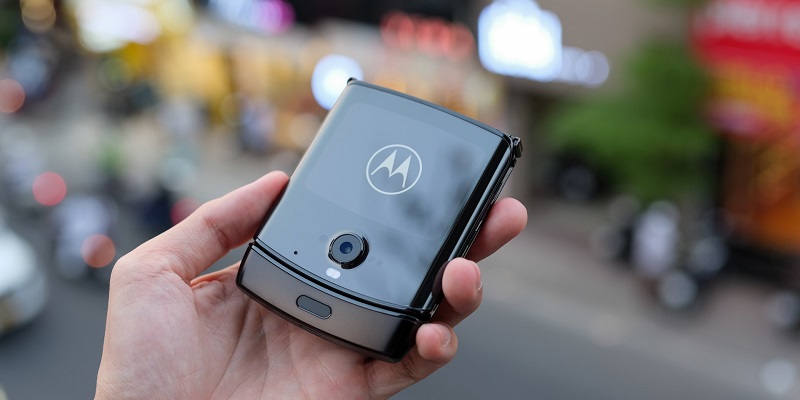
The buzz was building for months as tech fans eagerly awaited the unveiling of Motorola’s 2023 Razr+ and Razr clamshell folding phones. Now that they are out, it’s time to take a closer look and see if they live up to the hype.
The Razr+ boasts a large cover screen, a feature that is both applauded and criticized. Let’s delve deeper to see if this latest release is worth your investment.
The Downside of a Large Cover Screen on the Motorola Razr+
Undoubtedly, the large cover screen on this phone is one of its best features. However, upon closer inspection, it has one downside – it is also what holds the Motorola Razr+ back.
Questioning Whether the Sacrifice for a Larger Screen was Worth it for the Motorola Razr+
The question here is: Was the substantial sacrifice for a large cover display worth it for the Motorola Razr+? We’ll let you decide after we outline what the drawbacks are of having such a feature.
The compromises Motorola made to fit the Razr+ with a large cover display, including outdated features
To make space for the large cover display, Motorola had to make some sacrifices. One of them is the use of last year’s chip, the Snapdragon 888. While it’s still a capable processor, it’s not the latest nor the greatest.
Another issue is the average battery life that comes with the phone. At 2800mAh, it’s not up to par with standard batteries in the current market. Additionally, the camera is outdated and not as advanced as similar models on the market.
The Small and Outdated Camera Sensor on the Motorola Razr+ is a concern for many users
Let’s zoom in on the camera feature and its shortcomings. The Motorola Razr+ features a pretty ancient 12 MP 1/2.55-inch camera sensor, which would be considered small even in 2018, let alone today.
The Implications of the Razr+: Taking steps back in performance, battery life, and camera quality
While the Razr+ may have an impressive cover display, what are its costs? Taking steps back in performance, battery life, and camera quality could be detrimental to its overall usability. Therefore, it is worth considering other options when looking for a new phone.
Concerns about the durability of the Motorola Razr’s cover display
The Motorola Razr+’s awesome cover display is a feat of engineering. However, it also means that now you have another display that’s entirely susceptible to cracking when you drop it.
The Lack of Comprehensive Water Resistance on the Motorola Razr+ is a concern.
Another concern among users is the issue of waterproof capabilities. The Motorola Razr+ doesn’t come with comprehensive water resistance; it only has an IP52 rating.
The Limited Target Audience for the $1,000 Motorola Razr+ Due to Its Compromises
All of the compromises the Motorola Razr+ brings mean that this product might have a small and limited target audience. The price point is still on the higher side, which raises the question of whether it’s worth it.
At the end of the day, the $1,000 Motorola is asking for the new Razr can get you the best battery life, camera, chip, and other features, if you are okay with a “normal” phone that doesn’t fold in half. The compromises made to fit their iconic design into modern times might not be suitable for everyone. Therefore, we recommend assessing the pros and cons before making the investment.