

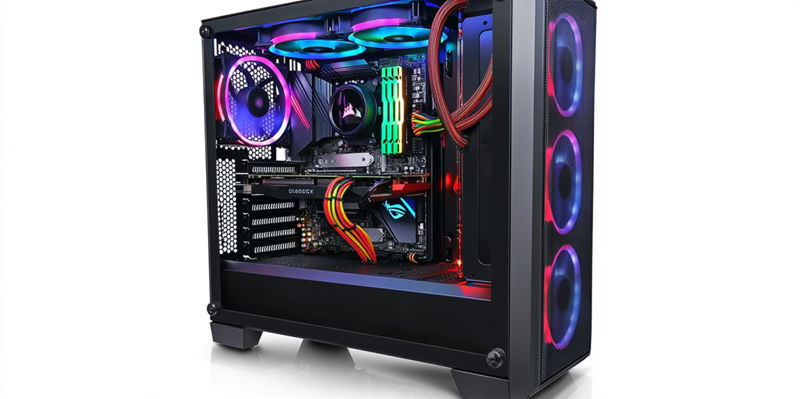
When it comes to choosing the perfect case for a gaming PC, the LANCOOL 207 by Lian Li is generating a lot of buzz among enthusiasts and builders alike. As a premier manufacturer of PC chassis and accessories, Lian Li aims to address common pain points faced by gamers and PC builders: limited space, inefficient cooling, and cumbersome cable management. But is this case really the ultimate solution to these challenges, and does it live up to the hype?
Innovative Space-Saving Design
Front PSU Placement
One of the standout features of the LANCOOL 207 is its unique power supply unit (PSU) placement at the front of the case. Unlike conventional designs where the PSU is mounted at the rear, this layout frees up valuable space for other components, making the case more versatile. By moving the PSU to the front, Lian Li has created more room for the motherboard and larger GPUs, addressing one of the common pain points for gamers and PC builders seeking a compact yet efficient solution.
This design also allows for more efficient cable management, which is often a headache for PC builders. The PSU’s connector ports facing outward make it easier to plug in cables and minimize clutter inside the case. Three dual-layered fasteners further aid in keeping cables organized and out of the way, enhancing both aesthetics and airflow. The reduction in cable clutter also has the added benefit of improving overall cooling efficiency, as unobstructed airflow can more effectively cool internal components.
Compact Yet Versatile
Despite its M-ATX size, the LANCOOL 207 is built to accommodate ATX systems, which speaks volumes about its versatility. This compact form factor does not compromise on compatibility; rather, it supports ATX motherboards, ATX PSUs, and sizable GPUs, all within a 45.5L case. This makes it an ideal choice for gamers looking for a space-saving solution without sacrificing the ability to use high-performance components, enabling them to build powerful rigs even in limited spaces.
The innovative space-saving design allows users to achieve a balance between compactness and high performance. The LANCOOL 207 can house advanced hardware suitable for high-end gaming, all while maintaining a sleek and compact profile. This versatility is particularly beneficial for those who want powerful gaming systems but lack the space for a full-sized ATX case. By accommodating full-sized components within a smaller footprint, the LANCOOL 207 sets a new standard for what an M-ATX case can offer.
Advanced Cooling Capabilities
Pre-Installed Cooling Solutions
Efficient cooling is crucial for maintaining optimal performance in gaming PCs, and the LANCOOL 207 comes well-equipped in this regard. The case includes two pre-installed high-airflow 140mm ARGB fans at the front and two 120mm PWM fans at the bottom, strategically placed to ensure optimal thermal conditions even during intense gaming sessions. These pre-installed fans offer a strong foundation for airflow and cooling, essential for any gaming setup.
The front and bottom fans work in tandem to deliver cool air directly to the GPU, which is often the hottest component in a gaming rig. This setup helps to maintain the GPU’s performance and longevity, critical for gamers who push their systems to the limit. The placement of these fans ensures efficient thermal management, maintaining consistent temperatures that are crucial for sustained high performance. By addressing thermal challenges head-on, the LANCOOL 207 ensures that users can game intensively without worrying about overheating issues.
Mesh Panels and Airflow Design
To further enhance cooling, the LANCOOL 207 features large mesh panels on the front, top, and bottom of the case. These mesh panels facilitate excellent airflow, allowing heat to escape more efficiently and ensuring that all components remain cool. The substantial mesh coverage ensures that the case can intake and exhaust air effectively, creating a streamlined path for airflow that maximizes cooling potential.
The motherboard tray is also recessed towards the right side panel to add width clearance for 140mm fan support without increasing the overall width of the case. This thoughtful design allows for better cooling of the GPU by enabling bottom-installed fans to effectively direct airflow upwards. The combination of mesh panels and a recessed motherboard tray results in a case that prioritizes cooling efficiency without compromising on compactness or functionality. This comprehensive approach to airflow design underscores Lian Li’s commitment to delivering a product that excels in thermal management.
User-Friendly Features
Efficient Cable Management
One of the most frustrating aspects of building a PC is managing the myriad of cables, often ending in a cluttered and disorganized case. The LANCOOL 207 addresses this issue head-on with its front PSU placement. By having the PSU at the front, the case allows for simpler and more efficient cable routing. The dual-layered fasteners provided are specifically designed to help keep cables neat and organized, reducing clutter and improving airflow.
This design philosophy extends to the everyday usability of the case, making it easier for users to make adjustments or upgrades without dealing with a tangled mess of cables. Efficient cable management not only improves aesthetics but also enhances the overall functionality of the build. The strategic placement of cable routing pathways and dedicated spaces for cable management tools make it considerably easier to maintain a clean and organized interior, which is crucial for both performance and appearance.
Easy Installation Process
The LANCOOL 207 is designed with user convenience in mind, simplifying the often complex process of PC building. The front PSU placement and the recessed motherboard tray make installation straightforward, ensuring that users can set up their systems with minimal hassle. Whether you’re a seasoned PC builder or a newcomer, the user-friendly layout makes assembling your rig a hassle-free experience. This straightforward approach eliminates many common obstacles associated with PC assembly, reducing both the time and effort required.
This ease of installation also makes it simpler for users to perform maintenance or upgrades, as the design allows for easy access to key components. The thoughtful layout ensures that users can focus on optimizing their build rather than dealing with cumbersome installation processes. This aspect of the LANCOOL 207 is particularly appealing for those who frequently update their hardware or need to perform regular maintenance, as it significantly lowers the barrier to entry for these activities.
Aesthetic and Functional Appeal
Sleek Exterior Design
Beyond its internal features, the LANCOOL 207 boasts a sleek and modern exterior design that complements its high functionality. Available in both black and white variants, the case’s aesthetic appeal is undeniable. It fits seamlessly into various setups, be it a professional workspace or a high-end gaming station. The ARGB fans add a customizable lighting effect, allowing users to personalize the look of their system to suit their preferences. These customizable features make the case not just a functional piece but also an integral part of the overall aesthetic of a gaming or professional setup.
The clean lines and minimalist design philosophy offer a timeless appeal, ensuring that the case remains stylish for years to come. The versatility in color options and the added flair from ARGB lighting make the LANCOOL 207 a visually appealing choice for any user. Lian Li has managed to strike a perfect balance between aesthetic appeal and functional design, creating a product that looks as good as it performs. This seamless blend of form and function makes the case a standout option for anyone looking to build a visually impressive yet highly functional PC.
Competitive Pricing
Priced at $79.99 for the black variant and $84.99 for the white, the LANCOOL 207 offers a blend of performance, efficiency, and aesthetic appeal at a competitive price point. Considering the innovative features and high-quality build, this case provides excellent value for money, making it an attractive choice for gamers and PC enthusiasts alike. The pricing strategy ensures that the case is accessible to a wide range of users, from budget-conscious builders to those looking for premium features without a hefty price tag.
The LANCOOL 207 delivers a compelling package that is hard to match in its price range. Lian Li has ensured that the case offers advanced features typically found in more expensive models, providing an exceptional return on investment. Whether you are a gamer looking to build a high-performance rig or a professional in need of a reliable and stylish PC case, the LANCOOL 207 offers a well-rounded solution that meets diverse needs without breaking the bank.
Conclusion
When selecting the ideal case for a gaming PC, the LANCOOL 207 by Lian Li is causing quite a stir among enthusiasts and builders alike. Lian Li, a renowned manufacturer of PC cases and accessories, focuses on tackling common issues faced by gamers and PC builders, such as limited space, insufficient cooling, and challenging cable management. With a combination of sleek design and functionality, the LANCOOL 207 aims to offer a seamless solution to these problems.
This case is designed to maximize space utilization, ensuring that even the most elaborate gaming setups have room to breathe. Its innovative cooling system includes multiple fan mounts and optimized airflow paths, which help maintain lower temperatures, even during intense gaming sessions. Additionally, the LANCOOL 207 features thoughtful cable management options to keep your rig neat and tidy, making it easier to build and maintain.
So, does the LANCOOL 207 live up to the expectations set by its buzz? Many early adopters and reviewers suggest that it might just be the comprehensive solution for gamers and builders pursuing both form and function. However, final judgment will ultimately come down to individual preferences and specific needs.