

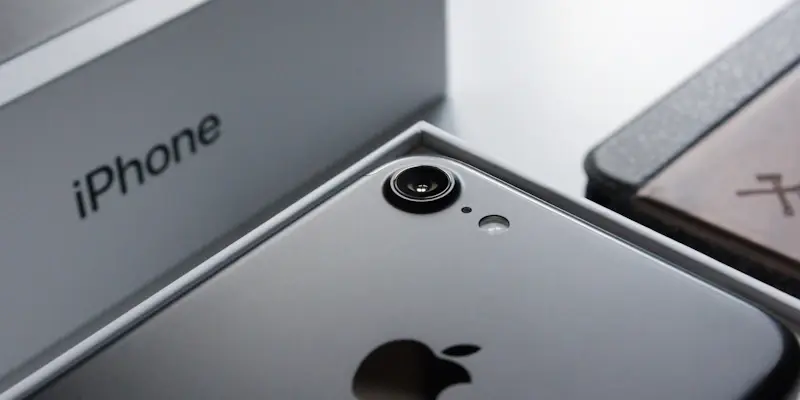
The current stock levels of the iPhone SE (2022) at various retail outlets are dwindling, leading to speculation that Apple may be preparing to launch the fourth-generation iPhone SE. This trend aligns with Apple’s historical release patterns, typically unveiling new SE models in March or April. With the availability of the iPhone SE 3 diminishing, there is a growing anticipation about what features and improvements the next iteration will offer to consumers. Rumors and insider information provide a glimpse of a significantly upgraded device that may reshape the market for budget-friendly smartphones.
Expected Features and Design
Potential Design Changes and Display Enhancements
The forthcoming iPhone SE 4 is expected to introduce a modern design shift, closely resembling the aesthetics of the iPhone 14. This transformation would include an edge-to-edge screen, a move away from the traditional home button, and the integration of Face ID technology. Analysts predict that the new model will feature a 6.06-inch full-HD+ LTPS OLED display with a 60Hz refresh rate, significantly enhancing the visual experience compared to the previous generation’s LCD screen. Such upgrades reflect Apple’s intent to offer high-end features within its most affordable iPhone line.
In addition to the screen and design changes, the new iPhone SE 4 is also poised to adopt other premium features. Recent leaks suggest that it will come equipped with the A18 chip, potentially making it one of the most powerful budget phones on the market. This chip is expected to support advanced functionalities, including Apple intelligence features. Additionally, the new model might be available in 6GB and 8GB RAM options, providing more robust performance for a variety of applications and multitasking needs. Such enhancements are set to make the SE 4 not just a modest upgrade but a leap forward in mobile technology for the budget-conscious consumer.
Structural and Functional Innovation
Apple’s choice to possibly include an aluminum frame and USB Type-C port on the iPhone SE 4 further indicates a significant evolution in this series. The transition to USB Type-C aligns with broader technological trends and regulatory pressures in various regions, ensuring that the iPhone SE 4 remains future-proof and more versatile in terms of connectivity and charging options. Another anticipated feature is a single 48-megapixel rear camera, which would represent a substantial improvement over the current model’s camera capabilities. This enhancement could position the SE 4 as a formidable option in the affordable smartphone market, catering to both casual users and enthusiasts.
The elimination of the physical home button, combined with the integration of Face ID, would mark a radical departure from previous SE models’ design language. This move would streamline the user experience, providing a seamless and efficient method for unlocking the device and verifying identity. Such a shift also aligns with trends seen in Apple’s flagship models, indicating a blending of premium features into the SE line. These thoughtful upgrades symbolize Apple’s ongoing commitment to delivering quality and innovation, even within its budget-friendly offerings.
Market Implications and Pricing Strategy
Affordability and Market Penetration
While the exact pricing for the upcoming iPhone SE 4 remains speculative, industry experts like Bloomberg’s Mark Gurman anticipate that it will be set higher than its predecessor. The current model retails for $429, and the new version might come with a price tag just under $500. This pricing strategy could be a double-edged sword for Apple, as it seeks to balance affordability with the inclusion of premium features. The higher price point may deter some budget-conscious consumers, but the substantial upgrades could justify the cost for many.
Mark Gurman also posits that Apple’s decision not to retain the current iPhone SE at a reduced price post-update might be a missed opportunity. Keeping the older model at a lower price could potentially attract a wider audience, especially in emerging markets where a cost-effective iPhone variant could have significant appeal. However, Apple’s strategy appears to lean towards pushing the SE line forward technologically, rather than maintaining older versions in the market. This approach underlines a broader strategy of encouraging consumers to adopt newer, more capable models.
Strategic Positioning and Competitive Edge
Stocks of the iPhone SE (2022) are dwindling in various retail outlets, sparking speculation that Apple might be preparing to debut the fourth-generation iPhone SE. This pattern is consistent with Apple’s historical release schedules, as they typically launch new SE models around March or April. As the availability of the iPhone SE 3 decreases, anticipation grows regarding what features and improvements the next iteration will bring to consumers.
Insider information and rumors suggest that the next version of the iPhone SE may represent a significant upgrade that could reshape the market for budget-friendly smartphones. There is talk about enhanced performance, improved cameras, and possibly new design elements that will cater to the needs of modern users. Given Apple’s reputation for innovation, expectations are high that the fourth-generation iPhone SE will offer significant advancements over its predecessor. Consumers are eager to see how Apple will balance affordability with cutting-edge technology in this much-anticipated release.