

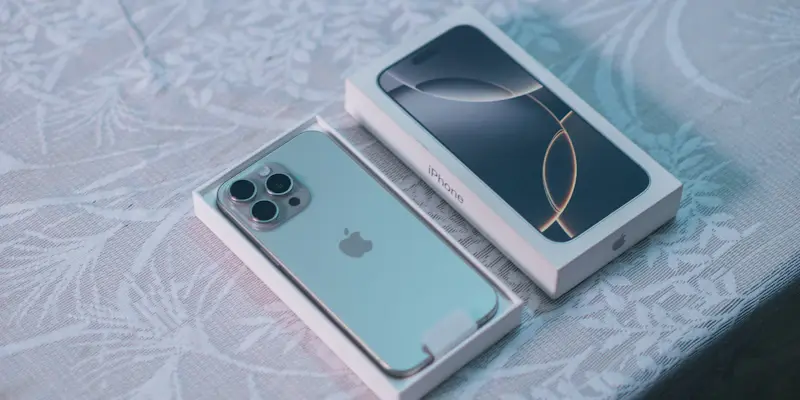
Apple enthusiasts are keenly observing the distinctions between the iPhone 16 Pro and the anticipated iPhone 17 Pro as the company prepares for the latter’s release. Such comparisons are crucial, as users seek to discern whether the newer model offers enough improvements to justify an upgrade. From design changes to battery life enhancements and camera upgrades, these two models present unique features that are worthy of an in-depth analysis.
Design and Build Quality
Materials and Aesthetics
One of the notable differences between the iPhone 16 Pro and the upcoming iPhone 17 Pro is the design. The iPhone 16 Pro features a titanium body that provides a solid, conventional look. However, for some users, this metallic finish might not be as appealing as they had hoped. In contrast, the iPhone 17 Pro boasts a balanced aluminum body with a rear panel made of aluminum and glass. This combination not only allows for safer wireless charging but also imparts a richer appearance.
The aluminum-glass combination of the iPhone 17 Pro is anticipated to provide a more refined and premium feel compared to its predecessor. Additionally, the newer model’s design is expected to make the device more resilient to everyday wear and tear, thus enhancing its longevity.
Functional Enhancements
Beyond the aesthetic improvements, the iPhone 17 Pro’s design changes also aim at better usability. The repositioning of certain buttons and the overall ergonomics of the device have been rethought to offer a more comfortable user experience. For instance, the camera control button on the iPhone 17 Pro has been moved higher to reduce camera shake and make it easier for users to take photos with minimal effort.
Moreover, the adoption of a more contemporary design philosophy with the iPhone 17 Pro is likely to appeal to a broader audience. While the iPhone 16 Pro still holds its ground as a robust device, the iPhone 17 Pro’s design improvements are set to offer a richer and more enjoyable user experience.
Performance and Battery Life
Battery Capacity and Optimization
Battery life is another critical aspect where the differences between the iPhone 16 Pro and the iPhone 17 Pro come into play. The iPhone 16 Pro already boasts impressive charging speed and the capacity to last a full day on a single charge, which allows for extended periods of use for photography, video recording, and other demanding tasks.
The iPhone 17 Pro is expected to offer enhanced battery features that could potentially surpass its predecessor. This includes not just a larger battery capacity but also better optimization of power usage through software and hardware integration.
Improved Charging and Efficiency
Besides battery capacity, the efficiency of charging and power management is anticipated to see significant advancements in the iPhone 17 Pro. Fast charging capabilities are expected to be even more efficient, reducing the time users need to wait for their devices to power up.
Apple’s continuous focus on sustainability and energy efficiency means that the iPhone 17 Pro will likely incorporate newer technologies to reduce power consumption. This could include advanced algorithms that manage background processes more efficiently, thus extending battery life without sacrificing performance.
Camera Capabilities
Front Camera and AI Integration
The camera quality of a smartphone can significantly influence a user’s decision to upgrade, and this is an area where the iPhone 17 Pro shows promising advancements over the iPhone 16 Pro. The iPhone 16 Pro features a 12MP front camera, which already delivers solid performance. However, the iPhone 17 Pro is rumored to step up the game with a 24MP front camera equipped with AI capabilities, expected to deliver superior image quality.
The integration of AI in the iPhone 17 Pro’s camera is likely to provide better performance under various lighting conditions. For photography enthusiasts and casual users alike, these upgrades promise to offer an enriched photography experience.
Usability and Control Features
Another noteworthy camera upgrade in the iPhone 17 Pro is the improved camera control button. Positioned higher than in the iPhone 16 Pro, this adjustment aims to increase comfort and reduce camera shake.