

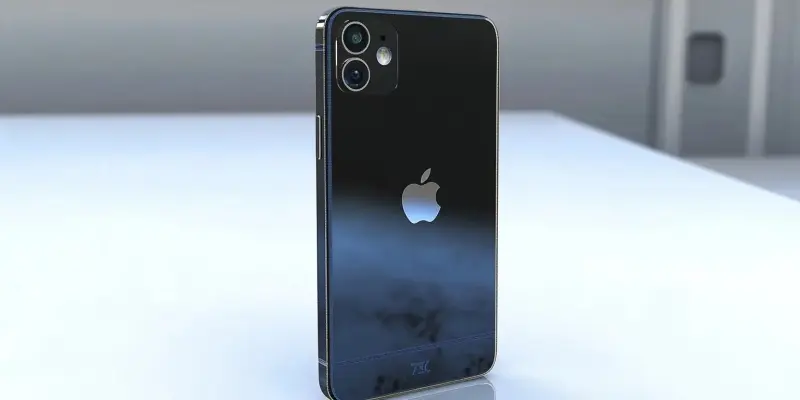
The recent leaks concerning the Apple iPhone 17 Pro and iPhone 17 Pro Max have certainly set the tech world abuzz, with a particular focus on the major redesign of the camera module. Apple enthusiasts and tech analysts are eagerly anticipating the new iPhone releases, debating whether the revamped camera bump will significantly alter the way we capture moments on our smartphones. While opinions are divided on its appearance, the potential for enhanced video capabilities is garnering a lot of interest.
Curious Redesign Triggering Mixed Reactions
The Influence of Sonny Dickson’s Leak
Sonny Dickson, a well-known leaker, has confirmed that the iPhone 17 Pro Max will feature a significantly larger camera module, as evidenced by a leaked third-party case image. This revelation aligns with earlier speculations, suggesting that Apple’s upcoming model might offer extraordinary improvements in its camera’s video capabilities. With vloggers and content creators in mind, the new design aims to cater to those seeking high-quality video output from their devices. Prominent analyst Mark Gurman has echoed this sentiment, pointing out Apple’s strategic move to enhance the iPhone’s video performance to attract filmmakers and digital creatives.
The larger camera bump, while being a point of contention, is intended to house advanced hardware that could revolutionize mobile video recording. Creatives who rely heavily on their smartphones for content production might find this appealing. However, the substantial size of the bump might not sit well with everyone, as it marks a stark departure from previous designs. Apple’s decision to take such an ambitious leap in a core component of the phone indicates a focused effort to make the iPhone 17 Pro a formidable tool for content creation, possibly drawing users away from more traditional video recording equipment.
Anticipated Hardware Enhancements
Leaks and rumors suggest that the iPhone 17 Pro series might also see a departure from the titanium frame used in earlier models. This change is expected to result in a more compact and lighter device, potentially improving user experience. The shift in materials is speculated to be aligned with the overall redesign, presenting a more modern and user-friendly aesthetic. Concept videos and renders have fueled excitement by showcasing a sleek new gold color option, adding to the allure of the new iPhones.
Despite the visual and design cues from leaks and renders, there remains anticipation around the exact hardware and software specifications that will ultimately define the iPhone 17 Pro. The tech community eagerly awaits detailed insights into whether the use of different materials will affect the phone’s durability and performance. The change points towards Apple’s commitment to innovation while balancing practicality and style, aiming to provide users with both comfort and functionality.
Aiming for Creative Dominance
Targeting the Content Creators
Apple’s strategy appears to be focused on wooing a niche yet influential market segment. By targeting filmmakers and digital content creators with a promise of superior video quality, the iPhone 17 Pro could become a game-changer in mobile videography. The anticipated improvements would likely enable more sophisticated editing and production capabilities directly from the device, representing a significant leap forward. Apple’s decision to emphasize the video prowess of their upcoming models could help in positioning the iPhone 17 Pro not just as a smartphone but as an essential tool for modern-day creators.
Moreover, enhancing video quality could also influence the broader market of everyday users. With social media platforms increasingly favoring video content, the average consumer might appreciate these advancements for personal use. This dual approach of catering to both professionals and general users might ensure widespread acceptance and success of the new models. Apple’s history of pushing the boundaries with camera technology suggests that these rumored innovations might further solidify the iPhone’s position as a leader in smartphone photography and videography.
Future Implications and Industry Impact
The latest leaks about the Apple iPhone 17 Pro and iPhone 17 Pro Max have created a significant stir in the tech community, largely due to the substantial redesign of the camera module. Tech enthusiasts and analysts are buzzing with excitement over the forthcoming iPhone models, keen to see if the redesigned camera bump will revolutionize smartphone photography. While opinions are split regarding the aesthetics of the new design, there’s a lot of anticipation surrounding the potential for upgraded video capabilities. Discussions are underway about how these changes might improve the way we capture and share our experiences, especially through social media. Apple fans are particularly hopeful that the new features will set a new standard for mobile photography, driving competition within the industry. The anticipation is also building around other rumored upgrades, such as enhanced processing power and battery life, which could further solidify the iPhone’s status as a leading device in the smartphone market.