

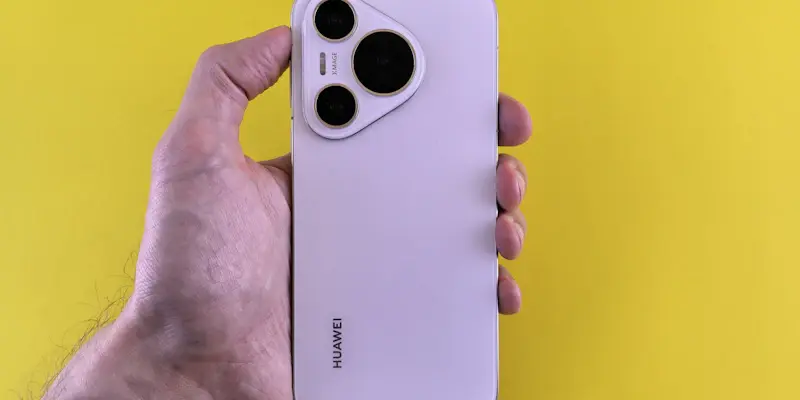
The Huawei Pura X, the latest addition to the foldable smartphone market, has made quite an impression since its announcement in China. This new device has garnered attention not only for its sophisticated design but also for its impressive array of features and capabilities. Bearing a striking resemblance to the Samsung Galaxy Z Flip, the Pura X differentiates itself with its unique 16:10 aspect ratio, making it highly versatile for both typical smartphone usage and as a high-end tablet. With the rise of foldable smartphones, many are wondering if the Huawei Pura X is a game changer in this evolving market.
Design and Display
At the core of the Huawei Pura X’s appeal is its cutting-edge design and dual-display capability. The internal screen measures 6.3 inches with a resolution of 2,120 × 1,320 pixels, offering a variable refresh rate of 1-120 Hz and a 300 Hz touch sampling rate. This feature, along with a 1440 Hz PWM frequency, ensures users an ultra-smooth and responsive display. Complementing this is a 3.5-inch external screen boasting a resolution of 980 × 980 pixels, situated just below the tri-camera setup on the rear. These dual screens enable a multitude of functionalities, ranging from convenient quick access to notifications on the outside display to an immersive media experience on the internal screen.
An interesting aspect of the Huawei Pura X’s design is its provision for a versatile photography experience. The rear cameras include a 50-megapixel primary sensor with optical image stabilization, a 40-megapixel ultra-wide-angle sensor, and an 8-megapixel telephoto lens with both 3.5x optical and 30x digital zoom capabilities. Its 10.7-megapixel front sensor allows for high-quality selfies, though users can also utilize the superior rear cameras for selfies, thanks to the secondary display. This flexibility in photography is a testament to Huawei’s focus on delivering a high-caliber user experience.
Performance and Features
The Huawei Pura X is powered by a yet-to-be-announced SoC, speculated to be a variant of the Kirin 9010. It promises robust performance, thanks to two configurations: one with 12 GB of RAM paired with either 256 GB or 512 GB of storage, and a superior Collection edition offering 16 GB of RAM with either 512 GB or 1 TB of storage. This level of memory ensures that the Pura X can handle multitasking and demanding applications seamlessly, providing users with a fluid and efficient smartphone experience suitable for both work and leisure.
Battery life is another standout feature of the Pura X, equipped with a 4,720 mAh battery that supports 66 Watt wired charging and 40 Watt wireless charging. Users can expect swift and reliable power replenishment, reducing downtime significantly. Additionally, the device’s IPX8 rating certifies it for water and dust resistance, enhancing its durability in various environments. Connectivity options are comprehensive, encompassing Wi-Fi 7, Bluetooth 5.2, NFC, and a USB 3.1 Type-C port. The Collection edition also includes exclusive satellite communication functionality, positioning Huawei Pura X among the most connectivity-rich devices on the market.
Market Position and Pricing
The Huawei Pura X, the newest entrant to the foldable smartphone market, has been making waves since its recent introduction in China. Its sleek design and impressive list of features have captured the attention of tech enthusiasts and industry watchers alike. Although it bears a strong resemblance to the Samsung Galaxy Z Flip, the Pura X sets itself apart with its distinctive 16:10 aspect ratio. This unique feature enhances its versatility, allowing it to function effectively both as a typical smartphone and a high-end tablet.
As foldable smartphones become increasingly popular, many consumers and experts are scrutinizing whether the Huawei Pura X could be a significant breakthrough in this evolving product category. The device’s innovative design and multifunctional capabilities suggest that it has the potential to alter the landscape of the foldable phone market, sparking curiosity and debate about its long-term impact and the direction in which Huawei is heading with this cutting-edge technology.