

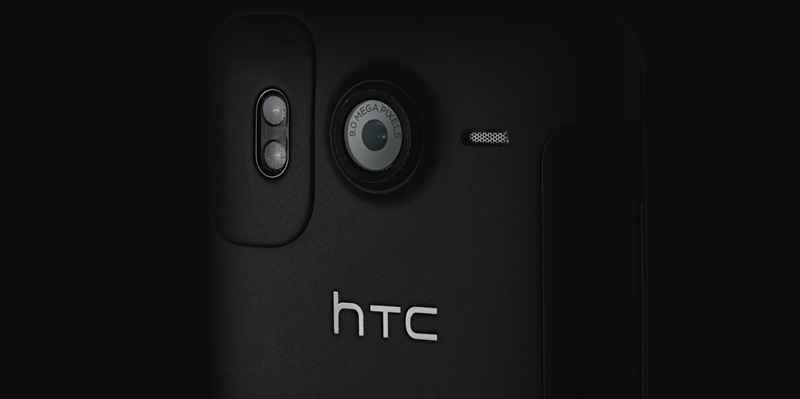
In the whirlwind race of the smartphone industry, a once-celebrated pioneer is staging a grand return. HTC, known for their innovation and design excellence in the early smartphone era, has just propelled itself back into the competitive arena with the new HTC U24 Pro. This move is more than a product launch—it’s a bold statement of intent. HTC is reinventing itself, aiming to recapture the spotlight it previously held with such groundbreaking designs as the HTC One M7’s metal unibody and the legendary HTC Dream, which introduced many to Android.
Unveiling the U24 Pro: A Technological Powerhouse
State-of-the-Art Design and Display
Deep within the HTC U24 Pro’s sleek contours lies a dazzling 6.8-inch curved OLED display, promising vivid colors and deep contrasts. It’s more than just eye candy—its Full HD+ resolution and dynamic 120Hz refresh rate beckon for a seamless and immersive viewing experience. To endure the rigors of daily use, the display is enshrined in the latest Gorilla Glass, marrying elegance with resilience. The design philosophy of the U24 Pro feels like a love letter to the HTC fans of yore, yet speaks a modern dialect that could lure in new aficionados.
Robust Performance and User-Centric Features
Underneath this elegant façade, the U24 Pro operates with a muscular Snapdragon 7 Gen 3 chipset and a hefty 12GB DDR5 RAM, which work in tandem to deliver blistering speed and fluid multitasking. Its 256GB UFS 3.1 storage is expandable, offering ample space for apps, media, and games to reside. A 4600mAh battery with both wired and wireless fast charging capabilities ensures that your phone keeps pace with your life, minimizing downtime and maximizing productivity.
Enhancing User Experience
Cutting-Edge Camera Technology
The U24 Pro doesn’t just shine, it captures shine. With a triple rear camera system led by a 50MP primary sensor boasting an f/1.8 aperture and optical stabilization, it’s poised to be a shutterbug’s delight. Complemented by a 50MP telephoto lens and an 8MP ultra-wide lens, this camera ensemble empowers you to freeze moments in astonishing clarity. Add in 4K video recording capabilities and the latest Android 14 at its core, and the U24 Pro positions itself as a powerhouse of both hardware and software symbiosis.
Unique Features and Durability
Yet it’s the nuanced attention to detail that may tip the scales. Interestingly, the U24 Pro marries mobile and virtual realities by syncing with the VIVE XR Elite headset, facilitating uninterrupted content streaming. For purists, the inclusion of a traditional 3.5mm headphone jack is a refreshing nod to legacy tech, while modern necessities such as IP67 dust and water resistance and an in-display fingerprint sensor emphasize its contemporary credentials.
The Road Ahead for HTC
Confronting the Competition
Returning to the market isn’t without challenges. HTC must maneuver through a landscape dominated by the likes of Xiaomi, OPPO, and OnePlus—brands that have not only captured but also retained consumer interest with feature-packed devices at compelling price points. With its elegant blue hues and a tag of 564 euros, the HTC U24 Pro certainly has the allure, but the real test lies in how the relatively modest battery stacks up against industry titans known for their longevity.
Meeting Expectations and Building Trust
Amidst the rapid pace of the mobile tech world, HTC is vying to reestablish itself not just as a competitor, but as a brand synonymous with forward-thinking and quality. The HTC U24 Pro’s unveiling is a pivotal moment in this journey. By balancing cutting-edge technology with a user-focused approach, HTC aims to meet the high expectations of its loyal fan base while captivating a new generation of smartphone users. In doing so, HTC is not only presenting a piece of innovative tech but also expressing its commitment to adaptability, resilience, and the relentless pursuit of excellence. Building trust with consumers will be crucial as the brand seeks to navigate a market saturated with innovation and continuously emerging players. HTC’s journey ahead promises to be as dynamic as the industry itself.