

A Bold New Challenger in the Premium Smartphone Space
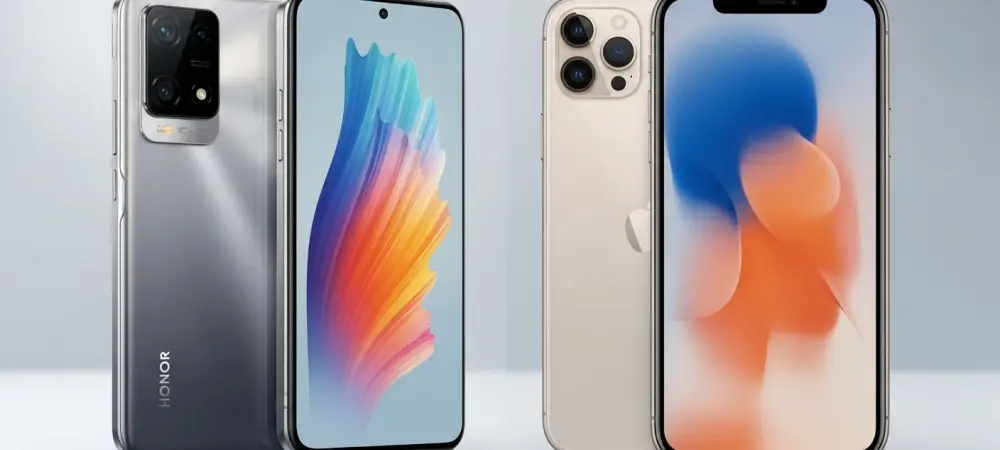
The global smartphone market is witnessing a seismic shift as consumers increasingly look beyond traditional legacy brands for high-performance alternatives that do not compromise on style. With the recent unveiling of the Honor 600 and 600 Pro, the industry is forced to acknowledge a design philosophy that intentionally mirrors the aesthetic of Apple’s latest Pro lineup. This move is a calculated effort to capture the attention of users who desire the prestige of a flagship design without the restrictive ecosystem or the typical four-figure price tag. This analysis explores whether the latest N-series can truly bridge the gap between high-end luxury and accessible performance.
From Protegé to Trendsetter: The Context of Honor’s Rise
To understand the significance of this series, one must look at the brand’s trajectory over the last few years. Once a sub-brand focused on the budget-conscious youth market, Honor has successfully transitioned into a powerhouse capable of independent innovation. We see a consistent trend where the company adopts premium aesthetics to appeal to global tastes. This historical shift highlights a strategy of combining familiar industrial design with aggressive technological leaps that often outpace more established competitors. By leveraging this familiarity, the brand provides a safe entry point for users looking to switch from iOS to Android.
Unpacking the Innovation: Design, Power, and Intelligence
Aesthetic Sophistication Meets Flagship Processing Power
The series immediately grabs attention with its rectangular camera housing and a refined color palette, including a standout orange variant that draws direct comparisons to Western flagships. Under the hood, the standard model features the Snapdragon 7 Gen 4, while the Pro version debuts with the powerhouse Snapdragon 8 Elite Gen 5. Both devices offer a stunning 6.57-inch 120Hz OLED display with 1.5k resolution, ensuring that the visual experience matches the external beauty. This combination of premium design and high-end silicon creates a compelling value proposition for tech enthusiasts.
Bridging the Software Gap: AI and Google Integration
A defining feature is the inclusion of a dedicated AI key, a tool previously reserved for the most expensive tiers. This physical button allows for instant task execution and photo capture, streamlining the user experience in a way that traditional software menus cannot. Furthermore, the partnership with Google Veo is deepening. The focus on turning moments into motion points toward sophisticated generative AI capabilities, allowing users to transform static images into short, high-quality videos. This suggests that the brand is not just copying design; it is attempting to out-innovate its rivals in the realm of practical software applications.
Disruptive Battery Technology: Global Market Strategy
Perhaps the most significant advantage held over the competition is the battery technology. While most flagships struggle to last a full day under heavy use, these models offer massive capacities—up to 7,000mAh for global units and a staggering 9,000mAh in specific markets. When combined with an aggressive starting price of approximately €600, the brand is positioning itself as a legitimate flagship killer. This strategy addresses a common frustration: the trade-off between a slim design and long-lasting battery life. By offering both, it creates a unique niche that is difficult for others to match.
The Future of Mobile Evolution: AI-First Hardware
The current launch signals a broader trend in the mobile industry where hardware is increasingly designed to serve AI functions. As generative media becomes a staple of social interaction, features like the Google Veo integration will likely become the new gold standard for mid-to-high-range devices. Experts predict that the success of this series could force other manufacturers to reconsider their pricing structures and hardware limitations, particularly regarding battery density and physical AI shortcuts. We are entering an era where the alternative label is no longer about being a cheaper substitute, but about offering a more versatile tool.
Making the Switch: Key Takeaways for the Modern Consumer
For consumers and professionals looking to upgrade, this series offers a roadmap for what to expect from the next generation of mobile technology. If your priority is long-range battery life and cutting-edge AI video tools, the Pro model stands out as a top-tier candidate. For those who want the look and feel of a premium flagship at a fraction of the cost, the standard version provides an excellent entry point. The actionable takeaway is clear: don’t let brand loyalty blind you to the rapid advancements happening in the Android ecosystem. Comparing spec-for-spec, the hardware is delivering results that surpass current industry benchmarks.
A Strategic Shift in the Smartphone Hierarchy
The Honor 600 series represented more than just a new product launch; it served as a testament to how far a brand could go in defining its own identity while nodding to successful industry trends. By pairing an iconic design with unprecedented battery life and advanced AI integration, the manufacturer crafted a device that stood as a legitimate rival to the status quo. Industry leaders watched closely as this series disrupted established pricing tiers and challenged the necessity of expensive ecosystems. For any professional seeking a blend of style and value, the transition to such high-performance hardware offered a clear path toward maximizing mobile productivity.