

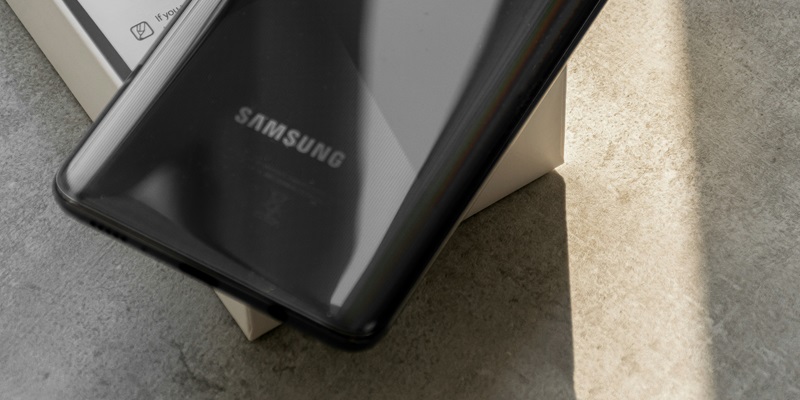
With its surprising mix of high-end features at a budget price, the Samsung Galaxy A15 5G is making waves in the budget smartphone sector in 2024. Amid conversations about the best budget phones, this model is a strong contender. The Galaxy A15 5G boasts a striking display quality and impressive battery life that seem too good for its price range.
Such characteristics are sparking discussion about what affordable phones might offer as standard features moving forward. The question at hand is whether the Galaxy A15 5G’s performance and features are blazing a new trail for value smartphones or simply following the expected advancements of the industry.
In assessing its broad range of attributes, we aim to determine the Galaxy A15 5G’s real impact on the market. Is it redefining what a budget phone can be, or is it cementing the status quo? This handset could very well be reshaping the landscape for consumers who are seeking cost-effective yet capable smartphones, as it delivers a premium feel without the premium price tag.
The Samsung Galaxy A15 5G’s position in the 2024 smartphone market challenges conventions and raises the bar for what is expected from budget-friendly devices, potentially reshaping the industry and consumer expectations.
Unpacking the Price and Design of the Galaxy A15 5G
Offering a significant upgrade from its predecessor without skyrocketing the cost, the Galaxy A15 5G comes with a price tag that commands attention. At just $200, buyers are ushered into a realm where features from upper-market devices trickle down to greet a wider audience. The strategic pricing is indeed a game-changer—a dance between affordability and sophistication.
In the design department, Samsung has managed to imbue the A15 5G with elements inspired by its luxury siblings within the Galaxy S series. While the plastic build is a nod to its budget-conscious nature, the matte finish bestows a premium feel, rebuffing fingerprints with ease and contributing to an overall sturdier grip. This deliberation on the part of Samsung poses a noteworthy challenge to prevailing assumptions about budget phones—suggesting that economic constraints need not compromise aesthetic appeal.
The Display and Hardware Performance
Switching gears to the 6.5-inch OLED screen, users are greeted with a vibrant palette and deep contrasts that rival the viewing pleasure of premium devices. The jump to OLED technology is a remarkable one for a budget device, ensuring that no viewer misses out on the spectacular display qualities Samsung is known for. However, the presence of pronounced bezels can be a bit of a hiccup for those pining for a more immersive experience.
Performance is facilitated by the MediaTek Dimensity 6100 Plus chipset, a reliable workhorse that underpins the phone’s fluidity in everyday tasks. Paired with a 4GB RAM capacity, the phone adequately handles day-to-day operations and modest gaming. This combination will satisfy most users who tread lightly on their device’s capabilities. Yet, there are moments where this hardware arrangement shows its limits, particularly under the onset of intensive multitasking, where slight delays can temper the otherwise smooth experience.
Battery Life and Charging Capabilities
The battery life on the Galaxy A15 5G is nothing short of impressive. Promising up to three days of usage from moderate activities, the longevity offered plays a pivotal role in enhancing user convenience. Such stamina fosters an unshackled mobile experience, where the constant concern for power outlets fades into the background. However, the exclusion of a charger might not sit well with all consumers, reflecting an industry trend that can be both contentious and acclaimed for environmental reasons.
Software, User Interface, and Update Policy
The A15 5G stands as a testament to Samsung’s dedication to user experience, boasting a sleek interface courtesy of running on Android 14 with the One UI 6 overlay. Users are greeted with a design that’s both user-friendly and visually appealing, although some might find the number of pre-installed applications to be excessive. Despite any concerns about app overload, the device’s true value lies in Samsung’s unparalleled commitment to software longevity.
With an impressive pledge of four years of operating system upgrades, the A15 5G is poised to redefine what long-term support looks like in the budget smartphone segment. This level of dedication to keeping devices updated is a significant stride forward in ensuring that even budget-friendly options maintain their relevance and security over time.
Samsung’s approach not only enhances the overall value proposition of the A15 5G but also represents an encouraging shift toward sustainability in the tech industry. By extending the life cycle of their budget category phones through extended software support, Samsung helps consumers to confidently invest in their devices, knowing they won’t be obsolete anytime soon. It’s a smart move that cements Samsung’s reputation for customer care and innovation, and it sets a high standard for competitors to follow.
Camera Quality in Different Lighting Conditions
Photographic pursuits with the Galaxy A15 5G reveal a camera system that operates commendably within its price lane. The primary 50MP sensor captures images with respectable detail and color in well-lit scenarios. Secondary ultrawide and macro sensors accompany the main camera, although they exhibit noticeable constraints in dynamic range and clarity under low-light conditions. For casual photographers, the setup exceeds expectations for a budget model but falls short of perfection.
Video Recording Capabilities
The Samsung Galaxy A15 5G, while tailored to those on a budget, effortlessly incorporates video recording into its suite of features. This device doesn’t chase after the extravagance of high-end smartphones but offers 1080p video capturing capability at a smooth 30 frames per second—a testament to its practical design. This standard of quality, although not groundbreaking, is more than sufficient for the daily needs of most users, providing a reliable means to document life’s important events without complexity or unnecessary frills.
For everyday users, the camera’s performance is certainly acceptable, balancing the nuances between cost and functionality. Moments large and small are recorded with a clarity that respects the essence of the original scene, making this budget-friendly phone a surprisingly adept companion for preserving memories. It’s a choice that speaks to those who prioritize simplicity and value over the sometimes overzealous advancements found in premium models.
Despite its modest ambitions, the Galaxy A15 5G’s camera setup is a clear nod to consumer desires for a video recording tool that’s both accessible and competent. It’s an example of how modern smartphones can serve the needs of a diverse user base, offering enough to satisfy the casual videographer while maintaining a price point that appeals to the budget-conscious. In essence, Samsung’s Galaxy A15 5G stands as a reminder that in the world of technology, practicality can often hold as much allure as the latest innovation.
Comparing Alternatives
No smartphone exists in isolation, and the Galaxy A15 5G is met on all sides by worthy contenders. Devices like the OnePlus Nord N30 5G, Moto G Power (2024), and even Samsung’s own Galaxy A25 5G vie for the spotlight with their unique propositions. Some may offer better performance metrics, while others skew towards a more favorable price point. However, the A15 5G holds its ground with a well-rounded feature set that appears to have struck an enviable balance between cost and quality.
As the smartphone landscape continues to evolve, the Samsung Galaxy A15 5G is a testament to the advancements trickling down to budget models. It espouses a philosophy where first-rate features are not the sole preserve of luxury handsets, bringing a plush array of options to a broader, more cost-conscious demographic. Whether it claims the crown of the best budget phone of 2024 hinges on individual expectations, but it undoubtedly makes a compelling argument for the title.