

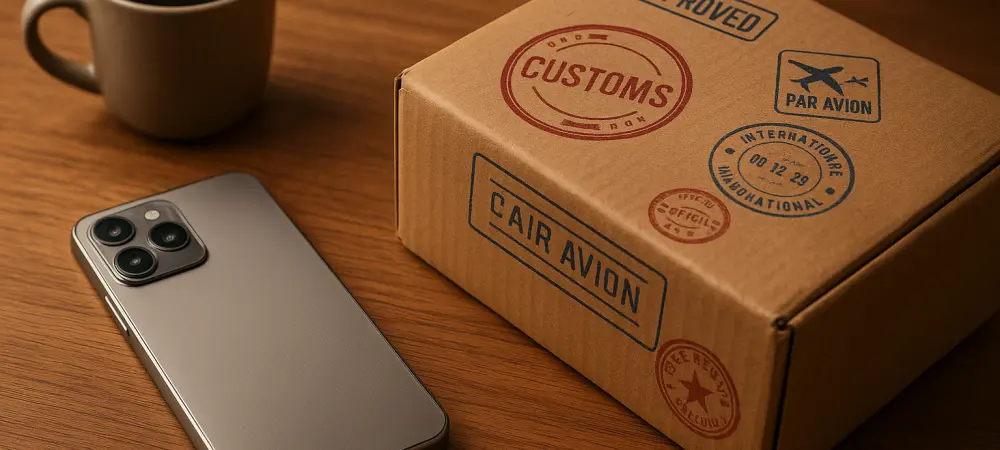
Software limitations inherent in the Chinese version prevent the device from utilizing common Western smart features like Wear OS and global eSIM profiles. This reality creates a profound divide between the hardware prowess of the OnePlus 16 and its practical utility for consumers outside of mainland China. As the brand retreats from its former strongholds in North America and Europe, the once-celebrated flagship killer has morphed into an elusive enthusiast-only import. This strategic pivot forces loyalists to weigh the allure of cutting-edge technology against the significant hurdles of regional lockouts. The absence of official distribution through major retailers signifies a fundamental shift in how the company interacts with the global market. While the device maintains its reputation for offering top-tier specifications, the hidden costs of importing—ranging from customs duties to the lack of warranty support—cast a shadow over the impressive spec sheet.
Hardware Innovations and Market Dynamics
The Engineering Pinnacle: Snapdragon 8 Elite Extreme
The Snapdragon 8 Elite Extreme Gen 6 chipset represents a monumental leap in mobile processing power, tailored to meet the demands of high-fidelity applications. This silicon powerhouse is not merely an incremental update; it utilizes a cutting-edge architecture that prioritizes sustained peak performance. In benchmark scenarios, the OnePlus 16 outperforms almost every other competitor, making it a dream for power users who require extreme speed. However, this raw power is locked within a device that requires specialized knowledge to fully optimize for a Western software environment.
Complementing this internal horsepower is a display technology that pushes boundaries with its staggering 185Hz high-refresh-rate panel. This screen is engineered to provide an unparalleled visual experience, especially during competitive gaming where every millisecond counts. To maintain such performance, the device employs an intricate vapor chamber cooling system that effectively dissipates heat during long sessions of intensive use. These features highlight the frustration of enthusiasts who see the potential but struggle with regional barriers.
Power Management: The 9,000 mAh Breakthrough
One of the most disruptive features of the OnePlus 16 is its massive 9,000 mAh battery, a capacity that dwarfs the typical 5,000 mAh standard seen in most smartphones. This engineering feat is achieved through high-density silicon-carbon battery cells, which allow for a larger capacity without significantly increasing the weight of the phone. For users who are tired of carrying portable chargers, this device offers a multi-day longevity that feels revolutionary even with the power-hungry 185Hz display active.
Building on this, the introduction of a magnetic accessory ecosystem marks a new chapter for the brand’s design philosophy. These integrated magnets allow for a wide range of peripherals, such as snap-on cooling fans and battery packs, to be attached with ease. This ecosystem mirrors the convenience of similar proprietary systems but offers a more open potential for domestic developers. For a global consumer, however, the availability of these tools remains quite limited and often requires separate import orders.
Navigating the Import Landscape
Connectivity Barriers: Missing Frequency Bands
Navigating the technical landscape of an imported device requires an understanding of cellular frequency bands, which vary significantly between regions. The OnePlus 16 is optimized for Chinese infrastructure, meaning it lacks several essential LTE and 5G bands used by carriers in the West. For instance, in Germany, the absence of band 20 can result in signal loss in rural areas, while in the United States, missing bands such as 12, 13, and 71 lead to poor indoor coverage. This remains a significant deterrent for those using the device as a primary daily driver.
Beyond basic signal reception, the lack of official carrier certification means that features like Voice over LTE and Wi-Fi calling may not function correctly. This can lead to degraded call quality or missed notifications, which are unacceptable compromises for a premium device. The reliance on third-party importers also introduces risk regarding shipping logistics and potential damage. While these retailers have established reputations, they cannot offer the same protection as a local retailer, leaving the consumer to handle any hardware defects on their own.
Strategic Considerations: Software and Longevity
The software environment presents another set of challenges, as the Chinese firmware lacks the OxygenOS experience many global users expect. Sideloading Google Play Services is rarely perfect, leading to persistent issues with background notifications and system-level sync. Crucial services such as Android Auto are frequently broken, and the absence of Wear OS support means that popular smartwatches will not pair correctly. These software gaps represent a significant loss of the seamless digital lifestyle that modern consumers take for granted.
Prospective buyers should have evaluated these trade-offs before investing in imported hardware that lacked localized support. It was essential to prioritize long-term network compatibility and official warranty coverage over raw performance metrics. For those seeking a reliable experience, waiting for a verified global release or choosing a competing flagship proved to be the more sustainable path. Ultimately, the true value of a mobile device lay in its ability to integrate into a user’s life without constant troubleshooting or regional restrictions.