

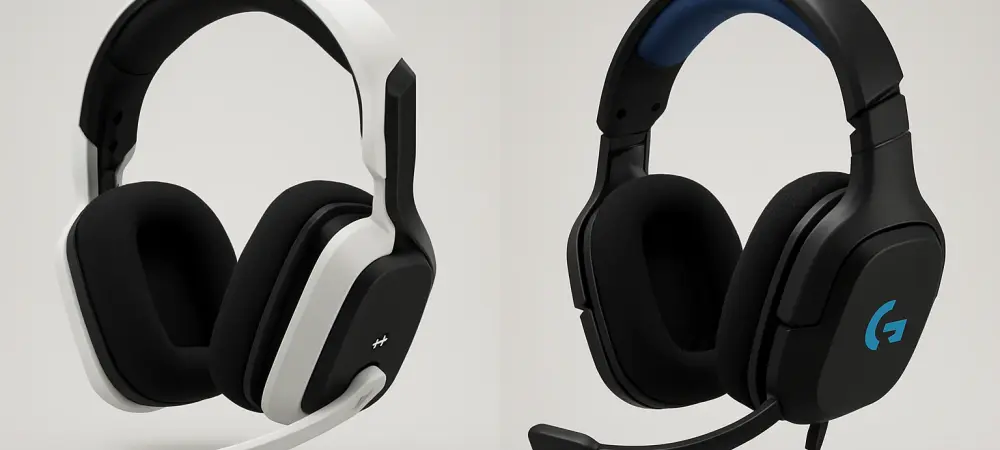
In the ever-evolving realm of gaming hardware, where every new release promises to redefine immersion, a striking debate has emerged with Logitech’s latest offering. Picture a headset that boasts cutting-edge audio, a featherlight design, and a battery life that outlasts even the longest gaming marathons—yet leaves enthusiasts questioning its very identity. This controversy centers on a product that straddles the line between two iconic Logitech lines, sparking curiosity about whether it truly belongs to its marketed lineage or merely borrows from another. The significance of this discussion lies in the delicate balance between technical prowess and brand heritage in the gaming industry. With gamers investing not just money but also trust in recognizable aesthetics and consistent quality, a headset’s identity can influence purchasing decisions as much as its specs. This narrative dives deep into the heart of this dilemma, exploring whether Logitech’s newest multi-platform contender upholds a storied legacy or risks diluting it with familiar echoes of another design.
A Fresh Release with a Familiar Face
At first glance, the latest headset from Logitech seems poised to captivate with its impressive features. Equipped with 40mm PRO-G Audio Drivers and a high-resolution 48kHz microphone, it mirrors the premium capabilities of top-tier models in its category. Weighing a mere 10.2 ounces, its lightweight build paired with memory foam ear cups ensures comfort during extended play, while customizable lighting zones add a personal touch via dedicated software.
Yet, beneath the surface of these standout specs, a wave of skepticism has surfaced among fans and critics. The headset’s visual design bears an uncanny resemblance to another popular Logitech product, lacking the bold, angular aesthetics historically tied to its supposed family. This overlap has ignited discussions about whether technical excellence alone can carry a product when its outward identity feels borrowed rather than built from scratch.
The Weight of Brand Legacy in Gaming
Brand identity in gaming gear isn’t just about logos or colors—it’s a promise of a distinct experience and reliability. Gamers often align themselves with specific manufacturers for their signature styles, from ergonomic shapes to unique design cues, which foster a sense of loyalty. When a new release deviates from these expectations, it risks alienating a dedicated audience that values consistency as much as innovation.
This situation raises broader questions about how companies maintain trust while pushing boundaries. If a headset’s design feels more like a rehash of an existing model from a different lineup, it can blur the lines between product families, potentially confusing consumers. The challenge lies in evolving without erasing the visual and cultural markers that define a brand’s place in the competitive gaming market.
Breaking Down the Specs and Styling Controversies
A closer inspection of this headset reveals a compelling mix of strengths and sticking points. Its battery life is a highlight, offering up to 40 hours with RGB lighting active and an astonishing 90 hours without, catering to gamers who demand endurance. The inclusion of a unique base station for seamless platform switching adds a layer of versatility, justifying its $179.99 price tag compared to a similar model’s $159.99 cost.
However, the design similarities to another Logitech headset cannot be ignored. Subtle red accents aside, the absence of distinctive branding elements—like a prominent logo or signature angular frame—has drawn criticism for lacking originality. This visual overlap prompts scrutiny over whether the added features truly position it as a standalone product or merely an upscale variant of something already on the shelves.
Community Echoes: Praise and Disappointment Collide
Feedback from the gaming community paints a complex picture of reception. Many early users have lauded the headset’s audio clarity and snug fit, noting how the lightweight construction enhances long-term wearability. Comments on forums often highlight the immersive soundstage as a major win, especially for competitive players who rely on precise audio cues.
On the flip side, a significant portion of opinions express frustration over the diluted branding. Avid followers of Logitech’s distinct product lines have voiced concern that the headset feels like a missed opportunity to push creative boundaries, with some reviewers questioning if corporate design strategies are prioritizing efficiency over uniqueness. These mixed sentiments underscore a divide between functional satisfaction and emotional attachment to a brand’s legacy.
Making the Call: Performance or Pedigree?
For gamers contemplating this headset as their next purchase, the decision hinges on priorities. Those who value raw performance—exceptional sound, long battery life, and cross-platform ease—will likely find much to appreciate. Utilizing the accompanying software to tweak lighting and audio profiles can further tailor the experience, maximizing the hardware’s potential across PC, console, and mobile setups.
However, for individuals deeply tied to brand aesthetics, the lack of a distinct visual identity might be a dealbreaker. Weighing whether to invest now or wait for a release that better embodies a unique lineage becomes a personal choice. Considering the headset’s strengths alongside its design shortcomings offers a balanced lens to evaluate if function can outweigh form in this particular case.
Reflecting on a Divisive Debut
Looking back, the rollout of this headset stirred a fascinating dialogue about what defines a product in the gaming sphere. Its technical merits stood tall, delivering on promises of audio excellence and user comfort that many had hoped for. The marathon battery life and platform versatility had proven to be practical assets for diverse gaming needs.
Yet, the shadow of design familiarity lingered, leaving a segment of the audience yearning for bolder innovation. As the industry moved forward, the challenge for Logitech was clear: to weave standout features with unmistakable branding in future releases. For gamers, the takeaway was to stay discerning, balancing admiration for specs with a critical eye on how heritage shapes their gear choices.