
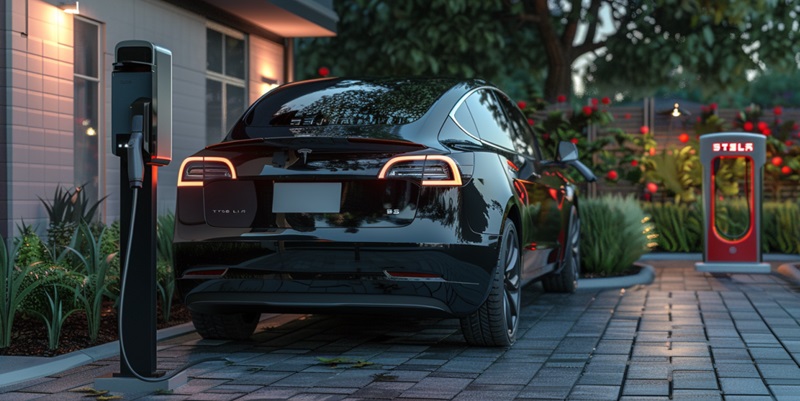
Is Tesla Paving the Way for a 5G Revolution in EVs and Robotics?

Tesla’s innovative journey is now shifting into the fast lane with its embrace of 5G technology, signaling a potential renaissance for the automotive and robotics sectors. With the company seeking 5G specialists, the implications ripple across its line-up—from its flagship Model S to the eagerly awaited Optimus robot. Tesla’s quest to weave 5G into its fabric could redefine the very way vehicles and robots operate and interact, propelling it to the spearhead of a technological fusion that could reshape mobility and automation.

Next-Generation Connectivity in EVs

Tesla’s push into 5G isn’t just about maintaining its electric vehicles’ technological advantage; it’s a decisive move poised to magnify their capabilities—autonomous driving and V2X communication among them. 5G’s enterprising features—swift data rates, minimal latency, and enhanced reliability—are pivotal for the instantaneous decision-making required for increased autonomy in driving.

Yet there’s more than just high-speed data for users. The 5G network is key to an interconnected vehicular web, allowing cars to share knowledge and enhance collective intelligence, promoting advanced driver-assistance systems’ evolution within Tesla’s suite of technologies.

Challenges and Future Perspectives

Tesla’s 5G transition is a blend of audacious innovation and substantial challenges. Intensified cybersecurity measures are vital in a more connected ecosystem. Likewise, 5G-integrated vehicles require comprehensive network coverage and industry-wide collaboration, not to mention navigating regulatory changes and spectrum allocation.

Despite health concerns associated with 5G—which regulatory agencies have addressed—the technology’s integration remains a complex but critical step for Tesla to leverage 5G’s potential for ground-breaking, connected transportation solutions. The industry is perched on the edge of its seat, watching as Tesla’s 5G strategies potentially chart the course for sophisticated, connected transport.

Explore more

Is Shadow AI Putting Your Small Business at Risk?

Behind the closed doors of modern office spaces, nearly half of the global workforce is currently leveraging unauthorized artificial intelligence tools to meet increasingly aggressive deadlines without the knowledge or consent of their management teams. This phenomenon, known as shadow AI, creates a sprawling underground economy of digital shortcuts that bypass traditional security protocols and oversight mechanisms. While these employees

Is AI-Driven Efficiency Killing Workplace Innovation?

The corporate landscape is currently witnessing an unprecedented surge in algorithmic optimization that paradoxically leaves human potential idling on the sidelines of progress. While digital dashboards report record-breaking speed and accuracy, the internal machinery of human ingenuity is beginning to rust from underuse. This friction between cold efficiency and warm creativity defines the modern office, where the pursuit of perfection

Is Efficiency Replacing Empathy in the AI-Driven Workplace?

The once-vibrant focus on expansive employee wellness programs and emotional support systems is rapidly yielding to a more clinical, data-driven architecture that prioritizes systemic output over individual sentiment. While the early part of this decade emphasized the human side of the workforce as a response to global instability, the current trajectory points toward a rigorous pursuit of optimization. Organizations are

5 ChatGPT Prompts to Build a Self-Sufficient Team

The moment a founder realizes that their physical presence is the primary obstacle to the growth of their organization, the true journey toward a scalable enterprise begins. Many entrepreneurs fall into the trap of perpetual micromanagement, believing that personal involvement in every micro-decision ensures quality and consistency. However, this level of control eventually becomes a debilitating bottleneck that limits the

Trend Analysis: Recycling Industry Automation

In the current landscape of global sustainability, municipal sorting facilities are grappling with a daunting forty percent employee turnover rate while simultaneously confronting extremely hazardous environmental conditions that jeopardize human safety on a daily basis. As these facilities struggle to maintain operations, a new generation of robotic colleagues is stepping onto the sorting floor to mitigate this chronic labor crisis.