

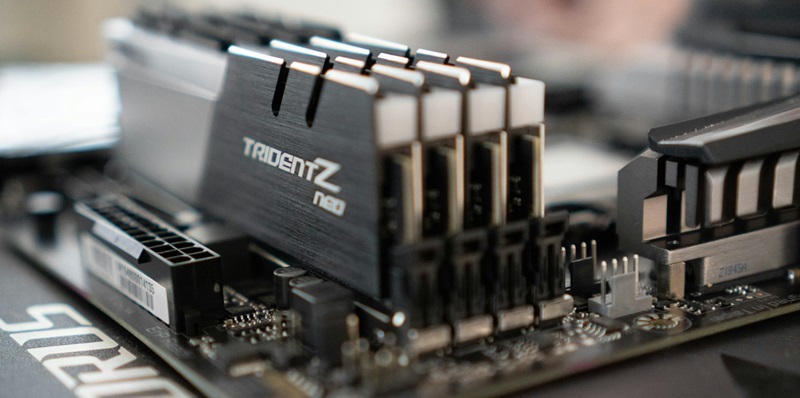
The advent of DDR5 RAM has catalyzed a significant shift in memory module preferences for PC enthusiasts. Amidst this technological evolution, the TeamGroup T-Force Delta RGB DDR5 RAM stands out as a prime contender for those who seek a blend of aesthetic appeal, high performance, and affordability. This article will delve into the various facets that make the T-Force Delta RGB DDR5 an appealing option, potentially bestowing it with the title of “best value RAM.”
Aesthetics Meet Performance
The visual presence of RAM in a computer build is hard to miss. TeamGroup has crafted the T-Force Delta RGB DDR5 with this in mind, presenting a stylish design with integrated RGB lighting that complements its technical prowess. With a sleek matte black aluminum heat spreader and the signature ‘R’ cut-out, the RAM fuses form and function to effectively manage heat and deliver stable performance under various workloads. Such design considerations solidify the T-Force Delta RGB DDR5 as an attractive component for transparent panel cases and RGB-centric builds, blending style with substantiality.
Powering Up with T-Force Delta RGB DDR5
With out-of-the-box speeds of up to 6000MHz and support for Intel’s XMP 3.0 for hassle-free overclocking, the T-Force Delta RGB DDR5 RAM is cut out for both standard users and enthusiasts who wish to push the performance envelope. The ease of overclocking introduces an opportunity for substantial performance gains, suggesting that TeamGroup has designed this RAM with versatility for various user profiles in mind.
Affordability Without Compromise
Budget often dictates the choices made during PC assembly or upgrades. The T-Force Delta RGB DDR5 RAM shines in this aspect as it delivers a high-end performance experience without the premium price tag. Being competitively priced and offering top-notch features, it disrupts traditional cost-to-performance expectations and enables more users to enjoy the benefits of speedy and stable DDR5 memory.
Benchmarking the Competition
When scrutinized through benchmarks, the T-Force Delta RGB DDR5 RAM holds its ground impressively against more expensive alternatives. Its consistent performance during everyday and intense tasks alike is a testament to its reliability and efficiency, proving it to be a formidable competitor across a variety of uses.
Who Should Consider the T-Force Delta RGB DDR5?
The T-Force Delta RGB DDR5 is a suitable choice for a diverse array of PC builders and upgraders. Its ease of use, combined with the potential for performance tuning, makes it a versatile component that can scale with the user’s level of expertise and demands.
The Verdict from Tech Experts
Tech experts have weighed in, offering laudatory comments about the TeamGroup T-Force Delta RGB DDR5 RAM’s performance, design, and the value it represents. While faster options exist, the RAM’s compelling price-performance ratio stands out, marking it as an excellent choice for those seeking quality mid-range DDR5 RAM.
In conclusion, the TeamGroup T-Force Delta RGB DDR5 RAM encapsulates many of the quintessential elements sought after by a diverse range of users – solid performance, striking aesthetics, and an attractive price point. It stands as a strong contender in the DDR5 RAM category, likely to appeal to both value-driven consumers and performance-hungry enthusiasts seeking to capitalize on the latest memory technology without breaking the bank.