

Introduction
The vast rolling hills of Southern Virginia are currently undergoing a dramatic metamorphosis from a quiet agricultural landscape into a premier destination for global digital infrastructure. This shift centers on a monumental agreement between the Danville-Pittsylvania Regional Industrial Facility Authority and Stack Infrastructure. As Northern Virginia reaches its capacity limits, the southern region offers a compelling alternative with vast acreage and supportive local policies that prioritize rapid development.
This article examines the strategic expansion into Pittsylvania County, focusing on the scale of investment and logistical hurdles involved. Readers will learn about the project timeline, the critical role of utility providers, and why the Berry Hill Megasite represents the next chapter for the cloud computing industry.
Key Questions or Key Topics Section
Why Is Stack Infrastructure Targeting Southern Virginia for This Massive Expansion?
Northern Virginia has long served as the primary epicenter for the internet, but rising costs and limited land availability have forced major players toward more spacious horizons. The Southern Virginia Megasite at Berry Hill provides a unique opportunity for Stack Infrastructure to secure a massive 2,990-acre footprint. This location is particularly attractive because local authorities established the M-SVMS heavy industry zoning district, which permits data center construction by-right, significantly reducing bureaucratic delays.
The financial commitment reflects the strategic importance of this land, with the deal involving a potential 737.8 million dollar transaction. By establishing a presence in Pittsylvania County, the company can diversify its global portfolio, which already exceeds 4GW of capacity. This move allows for the creation of expansive, pad-ready campuses that are difficult to assemble in more urbanized regions.
What Are the Financial and Infrastructure Requirements for This Project to Succeed?
While the potential investment reaches a staggering 73 billion dollars over a thirty-year horizon, the entire endeavor hinges on a critical energy milestone. The agreement is strictly contingent on securing 299MW of grid capacity from Appalachian Power by the end of 2028. This requirement underscores the immense power demands of modern hyperscale facilities and highlights the dependency between digital growth and utility infrastructure.
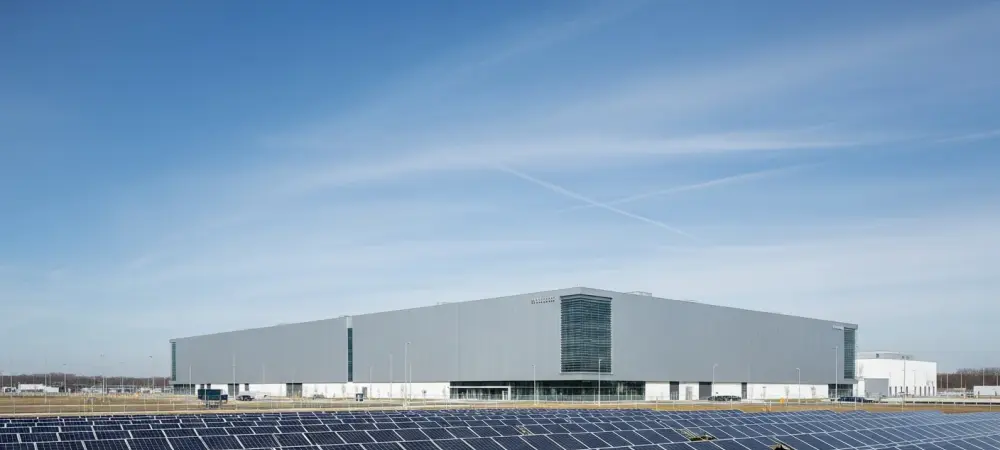
Currently, the Berry Hill site is well-positioned with an existing substation and access to a major natural gas pipeline. Furthermore, a planned 125MW solar and battery storage facility scheduled for 2027 will bolster the energy profile. These combined resources provide a robust foundation, but the transition to a high-density digital hub requires continuous coordination between the private sector and public utilities to meet the demands of the phased construction schedule.
How Does This Move Impact the Regional Economic and Technological Landscape?
The transformation of Pittsylvania County into a significant hub for data processing represents a long-term commitment to regional modernization. By planning development in phases, starting with a 1,000-acre acquisition by June 2027 and concluding by mid-2031, the project ensures a steady stream of construction and technical opportunities. This structured approach helps the local economy adapt to a new industry while providing the developer with a predictable path for expansion.
Moreover, the scale of this project signals to other global tech firms that Southern Virginia is a viable and efficient alternative to traditional tech corridors. The proactive stance of the local government in streamlining zoning creates a competitive advantage that could attract further ancillary businesses. As the project matures, the presence of such a massive digital anchor will likely foster a new ecosystem of high-tech employment throughout the surrounding communities.
Summary or Recap
The expansion into the Southern Virginia Megasite marks a pivotal moment for Stack Infrastructure and the region. By securing nearly 3,000 acres and planning a multi-decade investment, the company is positioning itself to meet the global demand for cloud storage. The success of this vision depends heavily on the timely delivery of power and the navigation of the multi-year acquisition timeline. This move leverages lower land costs and proactive zoning to create a new industry center.
Conclusion or Final Thoughts
The project established a clear roadmap for how rural regions transitioned into critical components of the global digital supply chain. It demonstrated that successful infrastructure development required a balance between private capital and local utility capabilities. Stakeholders recognized that proactive zoning measures served as a blueprint for other municipalities aiming to attract high-tech investments. This shift ultimately reshaped the economic identity of the region, proving that strategic land preparation remained the primary driver of expansion.