

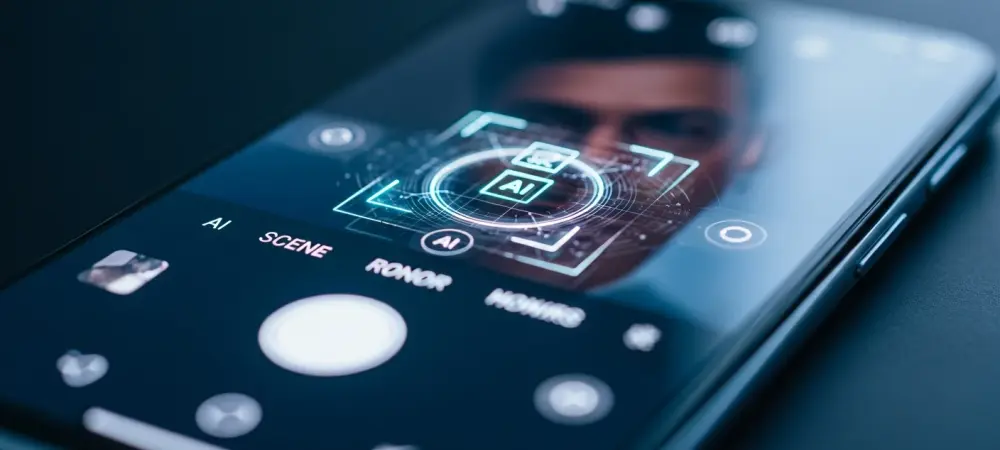
For a brief moment, it appeared that one of the most tactile and praised features of Apple’s recent iPhones was set to make its debut on a flagship Samsung device, potentially bridging a design gap between the two tech giants. Whispers from within the supply chain suggested the Galaxy S26 series would sport a dedicated, multi-function camera key, a move that would have signaled a significant shift in Samsung’s hardware philosophy. However, just as quickly as the rumor surfaced, new evidence suggests the plan has been quietly shelved, leaving industry watchers to ponder the strategy behind the reversal. This decision is more than just the removal of a single button; it offers a glimpse into the high-stakes battle for innovation and user experience in the fiercely competitive smartphone market.
The Rumor of an Apple-Inspired Camera Trick
Initial reports, sparked by a leak from a former supplier employee, indicated that Samsung was actively developing a dedicated camera control button for its Galaxy S26 lineup. This feature was poised to be a direct answer to Apple’s well-received Action Button, which offers users quick access and tactile control over the camera. The inclusion of such a button would have represented a rare moment of hardware convergence, with Samsung adopting a feature popularized by its chief rival.
This move was seen by many as a logical step in the evolution of smartphone photography. As camera systems become more complex, the limitations of a purely touch-based interface become more apparent. A physical key provides immediate feedback and control, especially for functions like half-pressing to focus or executing quick gestures, elevating the device from a simple point-and-shoot to a more sophisticated photographic tool.
Beyond the Shutter a Single Button’s Strategic Importance
The trend toward dedicated camera controls is not isolated to Apple. Other Android manufacturers, including Vivo and Oppo, have already integrated similar hardware features into their flagship devices, establishing a new standard for pro-focused smartphones. These buttons serve as a clear marketing signal, communicating to consumers that the brand prioritizes a high-end, professional-grade photography experience.
By adding a physical key, a company makes a tangible commitment to the user’s creative process. It acknowledges that for many enthusiasts and professionals, the feel and responsiveness of the hardware are just as important as the software’s capabilities. A dedicated button transforms the act of taking a photo into a more deliberate and satisfying experience, a subtle but powerful differentiator in a crowded market.
The Vanishing Feature Charting the S26’s Lost Camera Key
The proposed Samsung button was reportedly designed to be more than a simple shutter release. Leaks suggested it would support advanced swipe gestures, allowing users to seamlessly switch between lenses, adjust zoom, or access other camera settings without touching the screen. This advanced functionality would have made it one of the most versatile hardware controls on any smartphone.
However, the excitement was short-lived. Recently surfaced renders of the Galaxy S26 series show a design that conspicuously lacks any additional buttons, strongly indicating the feature has been cut. This abrupt change suggests a significant strategic pivot late in the development cycle. The reasons for this reversal remain a subject of speculation, with possibilities ranging from manufacturing complexities to a fundamental disagreement on design philosophy. One prominent theory is that Samsung observed user engagement data from the iPhone and concluded the feature was not utilized enough to justify its inclusion, opting instead to focus resources on other innovations.
Following the Breadcrumbs Decoding the Insider Evidence
The narrative of the disappearing button is built on a trail of compelling, albeit unofficial, evidence. The story began with a LinkedIn post from an individual previously employed by a Samsung supplier, who first revealed that the project was underway. This initial claim provided a credible foundation for the rumor, originating from a source with potential inside knowledge.
This initial leak was later contradicted by visual evidence. Detailed design renders, which often provide an accurate preview of a device’s final form, showed no trace of the rumored camera key. The absence of the feature in these schematics served as the first major indication that Samsung’s plans had changed. Further cementing this belief is the conspicuous silence from prominent industry tipsters, who typically corroborate major new hardware features. Their collective lack of commentary on the button suggests it is no longer part of the final design for the S26.
What This Means for the Future of Galaxy Photography
For those anticipating the Galaxy S26, this development helps manage expectations. While the device will undoubtedly feature significant camera advancements, a dedicated hardware key is now highly unlikely to be one of them. Instead, Samsung is expected to continue innovating through software, computational photography, and artificial intelligence to enhance its camera experience. The focus will likely remain on improving image processing, low-light performance, and AI-driven features like object recognition and scene optimization.
This decision could also influence the broader Android ecosystem. As a market leader, Samsung’s design choices often set the tone for other manufacturers. By forgoing a dedicated camera button, Samsung may signal to the industry that software-based solutions are the preferred path forward, potentially slowing the adoption of similar hardware controls across other Android devices.
Ultimately, Samsung’s apparent reversal on the camera button was a calculated decision rooted in its long-term vision for the Galaxy line. It underscored a belief that the future of smartphone photography lay not in mimicking competitors but in refining its own unique blend of hardware and intelligent software. This strategic choice reaffirmed the company’s commitment to its established design principles, even at the cost of passing on a popular industry trend.