
Is Robot-Performed Dentistry the Future of Automated Dental Care?

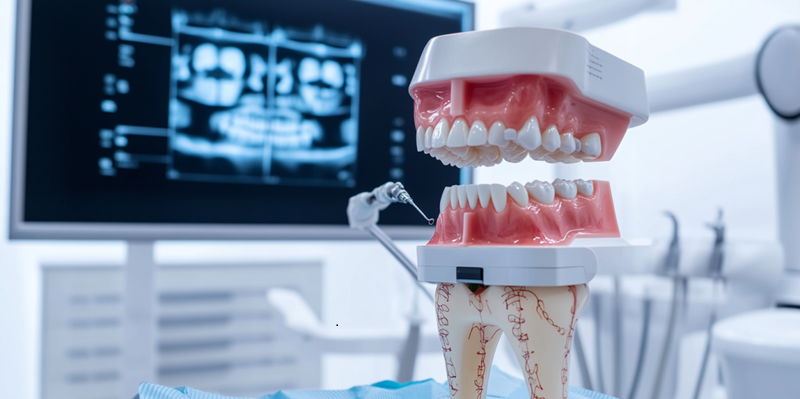
The groundbreaking achievement of the world’s first fully automated robotic dental surgery, completed by Perceptive, a U.S.-based company, marks a significant milestone in medical technology. Utilizing a robotic arm powered by artificial intelligence (AI) and advanced 3D imaging, the system successfully scanned, analyzed, and performed the dental procedure with impressive precision. This innovation aims to enhance both efficiency and accuracy in dental care, with the capability of completing a crown replacement in a mere 15 minutes compared to the conventional procedure that typically takes up to two hours. Dr. Chris Ciriello, CEO of Perceptive, has emphasized the transformative potential of this advanced technology in improving patient experiences and clinical outcomes. Despite the anticipated years-long regulatory approval process in the U.S., this success demonstrates the promising future of automated dentistry as a whole.

Transforming Dental Care with AI and Robotics

The evolving trend highlights a major shift towards improved accessibility and accuracy in dental treatments, potentially setting new standards in patient care. This collective story highlights the significant impact AI and robotics can have in enhancing healthcare practices, with Perceptive’s milestone leading to innovative and efficient dental procedures. AI integration in dental care could result in more precise diagnoses, tailored treatment plans, and fewer errors, while also cutting down the time patients spend at the dentist. For example, this robotic system’s ability to perform intricate tasks with remarkable accuracy showcases a future where dental treatments are more predictable, minimally invasive, and much faster.

Although widespread adoption may be slow due to strict regulatory requirements and the need for extensive clinical trials, Perceptive’s achievement in fully automated robotic dental surgery marks a substantial advance. The progress thus far highlights the potential of AI and robotics in healthcare, pointing to constant advancements in medical technology. Moving forward, the focus will be on refining these systems, ensuring their dependability, and making them more widely available. This will ultimately establish new benchmarks in dental care for the future.

Explore more

Trend Analysis: AI in Real Estate

Navigating the real estate market has long been synonymous with staggering costs, opaque processes, and a reliance on commission-based intermediaries that can consume a significant portion of a property’s value. This traditional framework is now facing a profound disruption from artificial intelligence, a technological force empowering consumers with unprecedented levels of control, transparency, and financial savings. As the industry stands

Insurtech Digital Platforms – Review

The silent drain on an insurer’s profitability often goes unnoticed, buried within the complex and aging architecture of legacy systems that impede growth and alienate a digitally native customer base. Insurtech digital platforms represent a significant advancement in the insurance sector, offering a clear path away from these outdated constraints. This review will explore the evolution of this technology from

Trend Analysis: Insurance Operational Control

The relentless pursuit of market share that has defined the insurance landscape for years has finally met its reckoning, forcing the industry to confront a new reality where operational discipline is the true measure of strength. After a prolonged period of chasing aggressive, unrestrained growth, 2025 has marked a fundamental pivot. The market is now shifting away from a “growth-at-all-costs”

AI Grading Tools Offer Both Promise and Peril

The familiar scrawl of a teacher’s red pen, once the definitive symbol of academic feedback, is steadily being replaced by the silent, instantaneous judgment of an algorithm. From the red-inked margins of yesteryear to the instant feedback of today, the landscape of academic assessment is undergoing a seismic shift. As educators grapple with growing class sizes and the demand for

Legacy Digital Twin vs. Industry 4.0 Digital Twin: A Comparative Analysis

The promise of a perfect digital replica—a tool that could mirror every gear turn and temperature fluctuation of a physical asset—is no longer a distant vision but a bifurcated reality with two distinct evolutionary paths. On one side stands the legacy digital twin, a powerful but often isolated marvel of engineering simulation. On the other is its successor, the Industry