
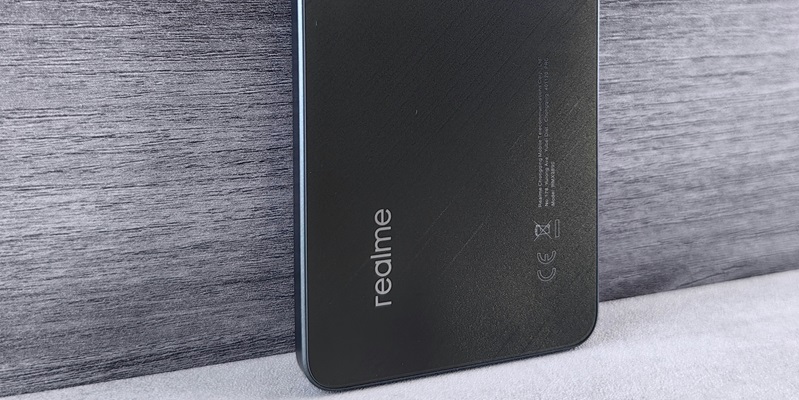
Is Realme Neo 7 the Mid-Range Smartphone to Watch This December?

As anticipation builds for the December launch of Realme’s latest smartphone, all eyes are on the Realme Neo 7 to see if it will outshine its rivals in the mid-range market. Previous leaks have generated considerable excitement, with the device achieving an impressive AnTuTu benchmark score and boasting substantial specifications. Unlike its predecessors, the Neo 7 marks the first non-GT Neo model from Realme, indicating a deliberate move to differentiate between its high-end and mid-range offerings.

With a Dimensity 9300 Plus processor under the hood, the Realme Neo 7 promises enhanced performance compared to the already formidable Dimensity 9300 chipset. The smartphone has secured a remarkable score of over 2.4 million points on the AnTuTu benchmark, putting it in the same league as flagship models like the OnePlus 13. This achievement is especially notable for a mid-range device, suggesting that Realme has significantly raised the bar for performance within this segment.

Cutting-Edge Features and Battery Life

One of the standout features of the Realme Neo 7 is its substantial 7000mAh battery, believed to utilize advanced high-density silicon anode technology. This innovation not only extends battery life but also enhances the battery’s durability and efficiency. With such a large capacity, users can avoid the constant need to find charging outlets, a crucial benefit for those who depend on their smartphones heavily throughout the day.

Realme’s launch of the Neo 7 under a separate model line shows a strategic aim to target a wider audience by offering various performance levels within their "GT Neo" series. Although the exact release date remains undisclosed, confirming a December launch has stirred excitement and speculation within the tech community. The Realme Neo 7, expected to make a significant impact when revealed, promises to be a strong contender in the mid-range smartphone market this holiday season.

Conclusively, Realme appears set to make a notable splash with the Neo 7. By integrating cutting-edge technology, achieving an impressive benchmark score, and offering a robust battery, the device positions itself as a fierce competitor in the mid-range segment. Whether it meets the high expectations remains to be seen, but the indications suggest an exciting addition to Realme’s lineup.

Explore more

How Is AI Closing the Gap in Customer Conversations?

The digital footprints of modern commerce often leave behind a trail of binary data, but the most profound truths about a brand’s health remain locked within the messy, emotional, and often unpredictable nuance of human speech. While organizations have spent decades perfecting the art of the post-transactional survey, they have largely ignored the goldmine of information vibrating through the phone

How Does CRM Fragmentation Drain Your Sales Productivity?

High-performing sales representatives often spend more time acting as digital detectives than closing deals because their customer data lives in ten different places at once. This digital fragmentation forces teams into a perpetual juggling act where navigating a labyrinth of browser tabs becomes the primary mode of operation. When information about a single lead is scattered across disparate platforms, preparing

How to Transform Real Estate CRMs Into High-Yield Assets

The relentless hum of a high-performance computer often masks the silent financial drain of a real estate professional’s most expensive and underutilized digital tool. Most real estate practitioners pay significant monthly fees for advanced Customer Relationship Management platforms, yet many treat these sophisticated engines like digital filing cabinets. While the technology promises to streamline operations and maximize revenue, the reality

AI Reshapes Technical Hiring and Entry-Level Pipelines

The once-reliable path of starting as a junior analyst and slowly climbing the corporate ladder has been fundamentally disrupted by the rapid integration of sophisticated autonomous systems that now manage routine tasks with superhuman speed. Hiring managers are no longer looking for people to organize spreadsheets; they are seeking architects of the future. This shift marks the definitive transition toward

AI Recruitment Tools Invent and Reinforce Their Own Biases

When a recruiting algorithm selects a candidate not because of their skills but because it hallucinated a success pattern out of thin air, the fundamental promise of meritocratic automation begins to crumble. This shift marks a departure from the era when developers merely feared that machines would inherit human prejudices; today, the concern is that they are actively manufacturing their