

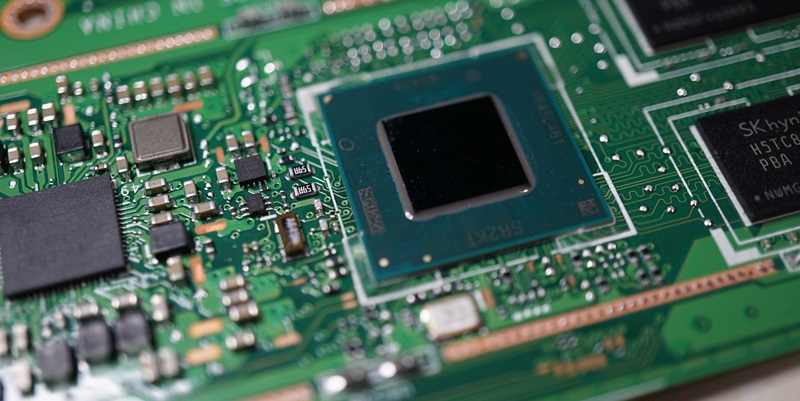
The computing landscape for laptops is on the threshold of a significant evolution, with Qualcomm’s Snapdragon X Elite series heralding this transformation. At the heart of this shift is the Snapdragon X Elite X1E80100 CPU, acclaimed for its AI prowess. It represents a step into a future where AI-driven laptop technology is standard.
This new processor is not merely tweaking how we use mobile computing; it’s forecasted to unleash a paradigm shift. The improvements in AI capability signal a move towards laptops that are not only tools for efficiency but also intelligent devices capable of learning and adapting. With the Snapdragon X Elite leading the charge, AI integration in laptops is set to become commonplace, revolutionizing our expectations from portable devices.
A New Contender in Performance
The Snapdragon X Elite X1E80100 stands as Qualcomm’s cutting-edge 12-core CPU, aimed at redefining AI performance in laptops. A detailed review by hardware expert Erdi Özüağ puts Qualcomm’s entry into the CPU market into perspective, highlighting its formidable power. Against competitors like Intel’s Core Ultra 7 155H, the Snapdragon’s CPU shined in the UL Procyon AI inference test, achieving a stunning 1720 points over Intel’s 476. This commanding lead highlights Qualcomm’s advanced AI inference capabilities, setting the stage for a new standard in laptop AI applications.
AI is increasingly at the core of computing, and Qualcomm seems intent on leading this trend. The Snapdragon X Elite X1E80100 excels in tasks requiring AI, suggesting users could experience improvements in voice recognition, image processing, and data analysis. This isn’t just about more power—it’s about smarter processing that can evolve and optimize tasks with incredible sophistication.
Challenging the Status Quo
With the Snapdragon X Elite series, Qualcomm is also reimagining GPU performance, putting Intel’s Xe-LPG GPU to the test with its own Adreno GPU. Qualcomm is showcasing its capabilities in both AI and high-quality graphics, an area traditionally ruled by Intel and AMD. This move is not only expanding consumer expectations but also making AI-infused processing architectures the new gold standard for laptops.
The launch of the Snapdragon X Elite X1E80100 marks a new milestone for AI performance in the laptop space. Qualcomm’s technology emphasizes that AI should be foundational to computing. As Qualcomm strides forward to meet the growing appetite for AI-enhanced features, laptop manufacturers are expected to catch up. This marks an evolution in portable computing, underlining AI’s critical role in enhancing user experiences, streamlining efficiency, and unlocking new possibilities.