

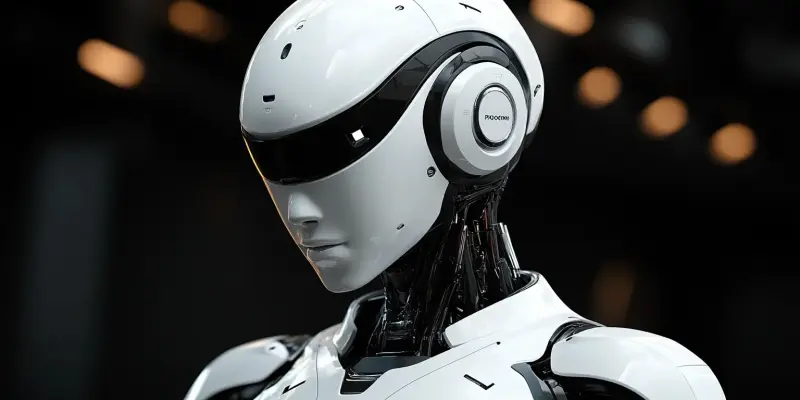
The unveiling of “Protoclone,” an advanced humanoid robot developed by Clone Robotics, has ignited a debate on the future of robotics and the ethical implications surrounding such technology. Protoclone’s ability to mimic human anatomy, with features like over 1,000 artificial muscles, 500 sensors, and a functioning vascular system that can bleed, is both a groundbreaking achievement and a source of public apprehension. The robot’s realistic movements, made possible by the intricate network of sensors and muscles, allow it to perform actions that closely mirror human behavior. This capability has inspired fascination among some and fear among others, prompting a diverse range of reactions as society grapples with the implications of this innovation.
The response to Protoclone has been mixed, highlighting the dual nature of such technological advancements. On one hand, the robot’s lifelike appearance and movements have garnered praise for showcasing the cutting-edge progress in the field of robotics. On the other hand, critics are concerned about the ethical dilemmas posed by creating robots that closely resemble humans. The ability of Protoclone to simulate human-like bleeding has particularly drawn attention, raising questions about the psychological impact on people interacting with it and the potential for misuse in ways that could invade privacy or contribute to job displacement.
Technological Advancements and Capabilities
The development of Protoclone underscores the significant strides made in robotics, particularly in terms of mimicking human anatomy and movement. With over 1,000 artificial muscles and 500 sensors, the robot’s ability to achieve lifelike movement is nearly unparalleled. The integration of these components allows Protoclone to perform an extensive range of motions, emulating human actions with impressive fluidity. This closer approximation of human mechanics marks a notable advancement in the field, demonstrating the potential for robots to undertake tasks that were previously considered impossible or too complex for non-human entities.
Furthermore, the addition of a functioning vascular system, enabling the robot to bleed when punctured, signifies a new level of sophistication in robotic design. While this feature has been lauded as a technical milestone, it has also evoked a sense of unease among the public. The bleeding capability, meant to simulate realistic human responses, could be invaluable in certain applications like medical training, where realistic simulations are crucial. However, this level of realism also introduces ethical considerations about the appropriate use of such technology and the potential psychological repercussions on those who interact with Protoclone or similar robots in the future.
Ethical Implications and Public Reaction
The reception of Protoclone’s bleeding ability exemplifies the ethical dilemmas that arise with advanced robotics. Some view this feature as a monumental step forward, offering practical applications in fields such as healthcare and education. For example, medical students and professionals could benefit from training with a robot that accurately mimics human anatomy and responds to interventions with realistic feedback. Such training tools could enhance the preparedness and proficiency of healthcare providers, ultimately benefiting patient care and outcomes. Nevertheless, the unsettling nature of a robot that can bleed like a human has prompted questions about the moral boundaries of creating such lifelike machines.
Critics are particularly concerned about the potential for misuse, citing the need for stringent ethical guidelines and regulatory frameworks to govern the development and deployment of highly advanced robots. The prospect of robots replacing human workers and infringing on privacy rights adds another dimension to the ethical debate. As robots become more human-like, the potential for job displacement increases, raising economic and social concerns. Moreover, the surveillance capabilities of such advanced robots could be exploited, leading to invasive monitoring and a loss of privacy. These issues highlight the necessity of balancing technological innovation with ethical responsibility to ensure that advancements in robotics serve humanity’s best interests.
Potential Applications and Future Considerations
The unveiling of “Protoclone,” an advanced humanoid robot developed by Clone Robotics, has sparked a debate about the future of robotics and the ethical challenges it poses. Protoclone can closely mimic human anatomy, boasting more than 1,000 artificial muscles, 500 sensors, and a functional vascular system that allows it to bleed. This breakthrough has elicited both excitement and concern among the public. The robot’s realistic movements, powered by a sophisticated network of muscles and sensors, enable it to mimic human actions eerily well. Some view this as a remarkable scientific achievement, while others are unsettled by the implications of such lifelike robots.
Reactions to Protoclone have been varied, emphasizing the mixed feelings toward these advancements. On one hand, its lifelike appearance and movements are lauded as milestones in robotics. On the other hand, critics worry about the ethical concerns of creating human-like machines. Protoclone’s bleeding capability, in particular, raises questions about the psychological impact on people and potential misuse regarding privacy or job displacement. As society confronts these issues, the dialogue on the role and regulation of such technology continues to evolve.