

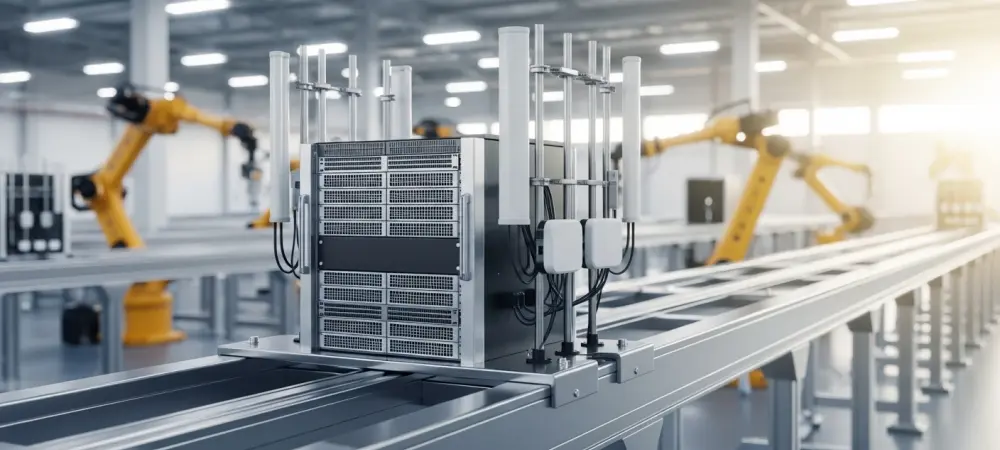
The rapid transformation of industrial floors from manual labor hubs into hyper-connected digital ecosystems has reached a critical tipping point where legacy connectivity no longer suffices. Organizations are discovering that the limitations of traditional networking often hinder the full potential of advanced automation and real-time data processing. This article explores how industry leaders are now treating private 5G not as an experimental luxury but as the essential groundwork for operational excellence and global scalability.
Readers can expect an analysis of the shift from pilot projects to aggressive global rollouts, specifically looking at how modern infrastructure supports robotics and artificial intelligence. By examining the current landscape of industrial connectivity, this guide provides a roadmap for understanding the integration of cellular technology into the standard manufacturing stack.
Key Questions or Key Topics Section
Why Is Private 5G Moving from Experimental to Essential?
Industrial leaders previously viewed private cellular networks as niche solutions for specific problems, but the complexity of modern smart factories has changed that perception. Traditional wireless options often struggle with signal interference in massive metal-filled environments or lack the necessary bandwidth for dense sensor arrays. Consequently, enterprises are shifting their philosophy to treat private 5G as a foundational utility that functions like a more robust version of high-end Wi-Fi across their global footprints. This shift is exemplified by the rapid expansion of network nodes in the manufacturing and agricultural sectors, where companies have moved from small-scale trials to dozens of active sites within mere months. By establishing a universal service layer, firms can ensure that every corner of a facility is ready for digital tools without needing custom setups for every new device. This standardized approach reduces the friction of technological adoption and prepares the groundwork for future AI-driven workloads.
How Does This Technology Enable Advanced Robotics and Automation?
The deployment of autonomous systems, such as mobile robots for monitoring hazardous areas, requires a level of low-latency communication that older network generations cannot reliably provide. In environments like large-scale production plants or processing facilities, these robots must transmit high-definition video and sensor data in real time to navigate safely. Private 5G provides the dedicated throughput necessary to maintain these connections even as robots move through complex, high-interference zones.
Furthermore, integrating these networks with modern ERP platforms allows for a seamless flow of information from the factory floor to the corporate office. When robots or automated systems capture data, it is immediately synchronized with the broader business logic, enhancing workforce connectivity and operational visibility. This synchronization ensures that automation serves a greater strategic purpose rather than existing as an isolated technical curiosity.
Summary or Recap
The transition toward private 5G represents a significant evolution in how multinational corporations architect their digital environments. By moving away from piecemeal projects and adopting a cohesive global network strategy, companies are successfully scaling their operations to meet modern demands. The combination of high-capacity hardware and strategic partnerships has proven that 5G is now a standard requirement for any organization serious about digital transformation and industrial automation.
Conclusion or Final Thoughts
The decision to implement a robust private network laid the groundwork for a more resilient and agile production environment. Businesses that prioritized this infrastructure early found themselves better positioned to integrate sophisticated artificial intelligence and autonomous systems into their daily workflows. Moving forward, the focus should shift toward optimizing these networks to handle increasingly complex data streams and ensuring that the workforce is trained to leverage these high-speed capabilities. Evaluating current network limitations and exploring specialized spectrum options remains a vital step for any leader aiming to maintain a competitive edge in an automated world.