

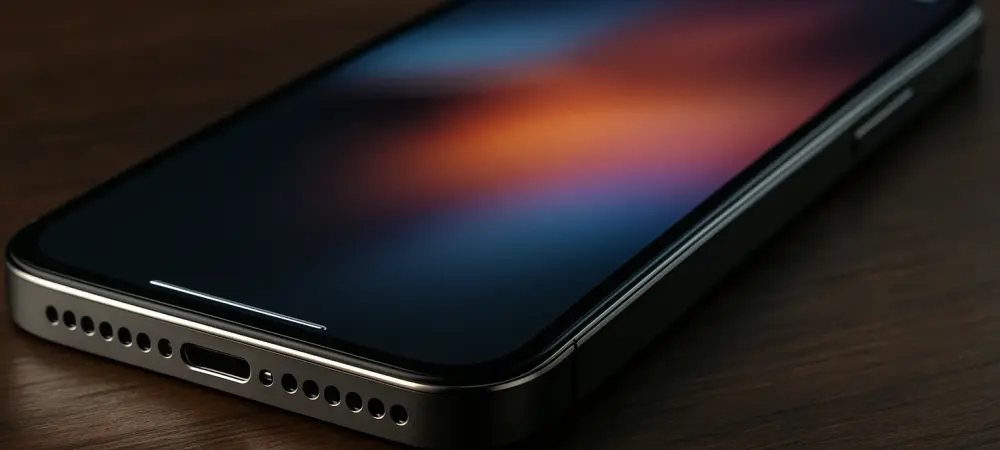
In an era where smartphone features seem to evolve at a breakneck pace, a surprising trend is emerging that harkens back to an often-overlooked aspect of mobile technology: audio quality. For years, the spotlight has been on camera capabilities and processing power, but recent leaks and innovations suggest that high-end audio systems are poised for a significant resurgence in premium Android devices. This shift could redefine how users experience multimedia on their handsets, with whispers of advanced speaker setups and potential partnerships with renowned audio brands stirring excitement in the tech community. As manufacturers seek new ways to stand out in a crowded market, the integration of sophisticated sound technology might just be the differentiator that captures consumer attention. This development raises intriguing questions about whether audio performance could become as pivotal to a smartphone’s appeal as its visual or computational prowess, setting the stage for a deeper exploration of this revival.
The Rise of Advanced Speaker Systems in Android Flagships
Recent developments in the Android ecosystem point to a deliberate push toward enhancing audio capabilities, especially among premium devices from subsidiaries of major manufacturers like Xiaomi and Vivo. Notable leaks hint at upcoming models from brands such as Redmi and iQoo featuring cutting-edge speaker technology, with innovations like the coaxial symmetrical dual speaker system already making waves in devices akin to the Redmi K80 Ultra. This focus on sound quality addresses longstanding user critiques, particularly around underwhelming bass performance, which has often been a weak point in mobile audio. There’s also speculation that flagship series, potentially including the Xiaomi 16 lineup, might revive branded audio collaborations, echoing past partnerships with industry giants. Even without such co-branding, certain models have already earned praise for their onboard sound, proving that excellence in this area is achievable independently. This trend underscores a broader industry shift where audio is no longer an afterthought but a core feature designed to elevate the overall user experience in high-end smartphones.
Future Implications for Mobile Audio Innovation
Looking ahead, the emphasis on premium audio in smartphones signals a transformative period for how multimedia is consumed on mobile devices, with subsidiaries leading the charge in niche advancements. The potential integration of high-fidelity sound systems in upcoming releases like the K90 Ultra or Neo12 Pro suggests that these devices could rival even photography-focused flagships by carving out a unique identity through superior audio performance. This strategic focus not only enhances user engagement with content like music and video but also positions sound as a key selling point in a competitive landscape. Past efforts, such as those seen in the critically acclaimed Xiaomi 14 Ultra, demonstrated that remarkable audio quality could be achieved without external branding, while rumors of renewed partnerships hint at even greater possibilities. As manufacturers have honed their approach over recent years, the stage is set for a richer auditory experience, promising consumers a level of immersion once thought exclusive to dedicated audio equipment. This evolution has left a lasting impact, paving the way for future innovations to build upon a solid foundation of sound excellence.