

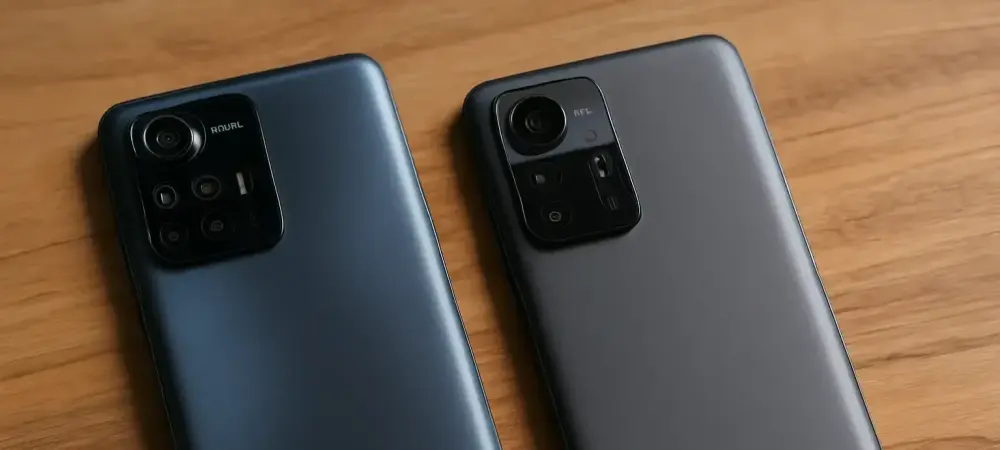
With Xiaomi’s smartphone strategy in flux, the upcoming Poco M8 Pro 5G offers a fascinating glimpse into the future of one of the market’s most disruptive sub-brands. We sat down with IT and technology strategist Dominic Jainy to discuss the implications of the M8 Pro’s delayed launch, its positioning as a re-branded device, and how its powerful specifications will shape the user experience. Our conversation explores the delicate balance Xiaomi must strike between cost-effective re-branding and maintaining a distinct brand identity for Poco in an increasingly competitive field.
The report states the Poco M8 Pro 5G is launching in January, slightly behind schedule, amid rumors of Xiaomi simplifying its Poco series. Could you explain the potential strategic reasons for this delay and how it might align with this broader portfolio adjustment?
This delay feels less like a production issue and more like a calculated strategic pause. After an unexpected early launch for the Poco F8 series, Xiaomi is likely taking a moment to recalibrate its release schedule to avoid market saturation and internal competition. Pushing the M8 Pro to January allows the F8 models to have their moment and ensures the new device launches into a cleaner market. This aligns perfectly with the rumored plan to streamline the Poco lineup, as it suggests a more thoughtful, deliberate approach to product placement rather than just flooding the market.
The M8 Pro is described as a re-branded Redmi Note 15 Pro Plus. Besides the rumored 50 MP camera, what key hardware or software differences typically distinguish a Poco phone from its Redmi counterpart, and how does this strategy impact the target consumer?
While they share a hardware foundation, the differentiation is all about targeting a specific mindset. Poco traditionally aims for a younger, more tech-enthusiast audience that prioritizes raw performance, which is reflected in their marketing and often a more gamer-centric aesthetic. The software is a key distinction; Poco phones run a unique launcher on top of the base system that offers a different user experience. By re-branding the Redmi Note 15 Pro Plus, Xiaomi leverages a proven, cost-effective platform while using subtle software and design tweaks to appeal to a niche audience that might not be drawn to the more mainstream appeal of the Redmi brand.
With a Snapdragon 7s Gen 4 chipset and a huge 6,500 mAh battery with 100W charging, this device seems powerful. Could you walk us through how this combination of processing power and advanced battery technology will realistically translate into the daily user experience for a mid-range phone?
For the average user, this combination translates into a feeling of absolute freedom from the typical smartphone anxieties. The Snapdragon 7s Gen 4 provides more than enough power for fluid daily multitasking, smooth social media scrolling, and solid gaming performance without frustrating lag. But the real game-changer is the battery. A 6,500 mAh cell means you can genuinely forget your charger for a day, maybe even two, under normal use. And on the rare occasion you do run low, the 100W charging eliminates waiting; you can plug it in while you get ready to go out and have enough power for the rest of the day in minutes.
The article highlights a 6.83-inch AMOLED display and a powerful camera sensor. Based on these specifications, how do you see the Poco M8 Pro being positioned against its main competitors, and what specific market advantages or challenges will it likely face upon release?
The Poco M8 Pro is being positioned as an endurance champion for media lovers and mobile gamers. That large 6.83-inch AMOLED display is perfect for immersive video and gaming, and the rumored 50 MP primary camera keeps it competitive on the imaging front. Its undeniable advantage is that monster 6,500 mAh battery paired with 100W charging—a combination that is virtually unheard of in the mid-range segment and will be a massive selling point. The biggest challenge will be brand identity and convincing consumers that it offers something meaningfully different from the Redmi Note 15 Pro Plus it’s based on, especially when competitors are fighting hard in the same price bracket.
What is your forecast for the future of Xiaomi’s Poco brand, especially concerning its “re-branding” model and its ability to maintain a distinct identity in an increasingly crowded mid-range market?
I forecast that the re-branding model will certainly continue, as it’s an incredibly efficient way to develop and launch new products. However, Poco’s long-term survival hinges on its ability to build a stronger identity beyond just being a spec-heavy, budget-friendly option. If the brand is to thrive, it needs to invest more in unique software features, build on its community engagement, and create a user experience that feels distinct from a standard Xiaomi or Redmi device. Without that deeper investment in brand identity, it risks being perceived as merely a sticker on another phone, and its appeal could diminish as the market becomes even more competitive.