

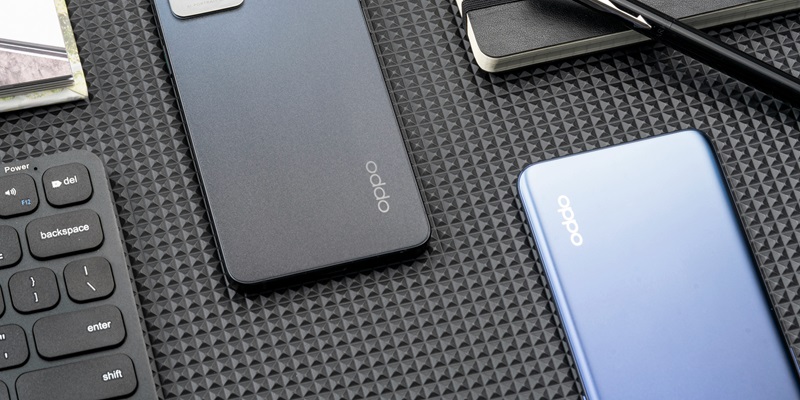
The mobile device market is ever-evolving, with each manufacturer striving to outshine the rest with groundbreaking technology. At the center of this innovation race is Oppo, a company that has been consistently pushing the boundaries of what’s possible with smartphones and tablets. The upcoming launch of the Find N5 Foldable phone and the Oppo Pad 3 tablet is a testament to the company’s dedication to leading the technological frontier. This article will delve into the features and advancements that these two anticipated devices are set to bring.
Oppo Find N5 Foldable: The Next Leap in Foldable Tech
Zero-Crease Hinge Design and Display Innovations
The attempt to eliminate the crease in foldable displays has been an ongoing challenge within the industry. Oppo’s upcoming Find N5 Foldable might signal a significant milestone in overcoming this hurdle. The innovative zero-crease hinge design is set to provide enhanced durability that combats the wear and tear commonly associated with folding devices. This technological breakthrough is paired with an improved glass screen expected to virtually eliminate the visibility of the crease, cultivating a seamless and immersive visual experience that rivals traditional smartphones.
Camera Capabilities and Processing Power
Oppo understands that a superior camera system is a non-negotiable feature for today’s consumers, who are increasingly passionate about photography. The Find N5 aims to deliver on this front with a 64MP periscope camera, reflecting a refusal to compromise robust camera capabilities for the device’s foldable form factor. Underneath the sleek exterior of the Find N5 resides the potential power of the Snapdragon 8 Gen 4 chipset. This component is rumored to be at the heart of the device, providing the kind of high-end performance that folds seamlessly into the lifestyle of its users.
Oppo Pad 3 Tablet: A New Competitor in the High-End Tablet Market
Performance and Display Specs
The Oppo Pad 3 suggests a device that will make performance and visual quality its hallmarks. With an SD 8 Gen 3 processor at its core and ample 16 GB of RAM, the Pad 3 is poised to glide through tasks effortlessly. The Pad 3’s 12.1″ screen promises a 3K resolution visual feast, setting the stage for a range of uses from professional work to entertainment.
Battery Life and Charging
The Oppo Pad 3’s proposed 9510 mAh battery ensures that the device will last through hours of usage. Furthermore, the 67W fast charging support translates to less downtime plugged in and more time being productive, allowing users to indulge in the portability that tablets promise.
Balancing Innovation and Practicality
Design vs. Function Trade-offs
Oppo is not compromising aspects like camera quality for sleek foldability—a decision that should resonate with users. The Find N5 and Pad 3 demonstrate Oppo’s commitment to providing devices that serve a full spectrum of user needs, wrapping high-grade performance in elegant designs.
Enhancing Portability and Multitasking Capacity
Oppo’s latest innovations, the Find N5 Foldable smartphone and the Oppo Pad 3 tablet, highlight the company’s commitment to leading tech developments. These gadgets symbolize Oppo’s unyielding pursuit of excellence and a showcase of the advancements in mobile technology. As Oppo gears up to unveil the Find N5 and the Oppo Pad 3, it’s clear that the tech giant is not just keeping pace with the competition but is setting a rapid pace for others to match.