

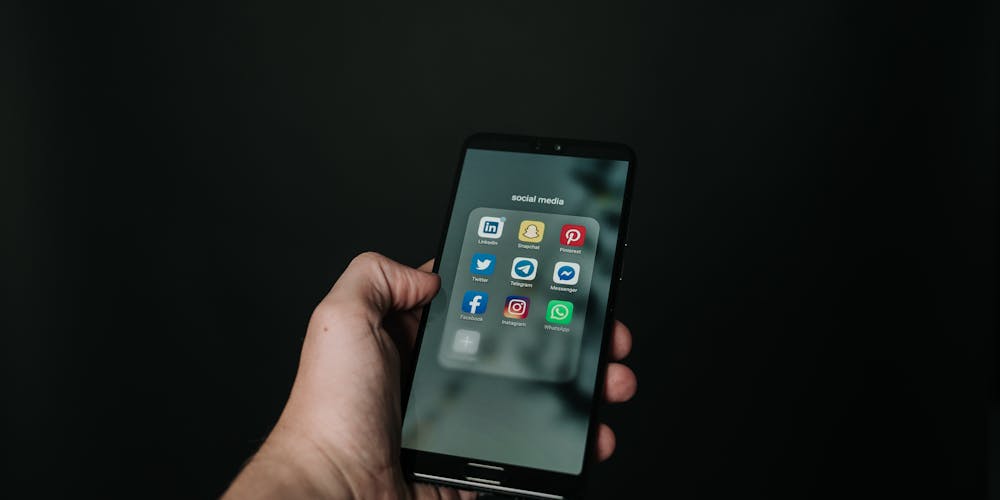
Since May 2022, the internet has been under the subtle siege of Operation Doppelgänger, a campaign of disinformation that flourishes on the fertile grounds of social media platforms. Initially gaining traction on the platform formerly known as Twitter, these activities challenge the credibility of online discourse. The operatives behind Doppelgänger have adeptly crafted and propagated false narratives, magnifying their reach with clever engagement tactics.
The Escalation of Misinformation
In August 2022, the campaign manifested a more calculated facet. Through the use of “burner accounts” and political ads on Facebook, it evaded detection and censorship, showcasing the tactical shift towards persistence and subtlety. Doppelgänger’s operatives did not constrain themselves to a single platform, as their efforts spread like tendrils across the social media spectrum, including TikTok, Instagram, and YouTube. A particularly damning incident involved a YouTube video laced with bias against Ukraine, surfacing the campaign’s capacity to warp geopolitical narratives.
The Machinery Behind the Scenes
Deepfakes and manufactured roundtables on platforms such as Cameo were leveraged, molding public perceptions with falsities. At its core, the operation is sustained by a robust infrastructure of social botnets and URL redirections that obscure its tracks, much like a fox eludes the hounds. Even when faced with opposition, Doppelgänger maintains its resilience, continuously adapting and circumventing remedial actions taken by platforms or governments. As it burrows deeper into the web, alternate operations have cropped up, specifically tailoring content for Russian-speaking audiences under the shield of Cloudflare CDN.
The Democratic Dilemma
The digital world has been quietly invaded by a calculated disinformation effort known as Operation Doppelgänger, which has found a particularly effective breeding ground on social media. Initially getting a foothold on what was once called Twitter, these operations undermine the integrity of online conversations. Those behind Operation Doppelgänger have skillfully created and disseminated fake stories, effectively amplifying their impact through sophisticated interaction strategies. This campaign of deceit subtly manipulates public perception by mimicking genuine content, thus undermining trust in the information shared on digital platforms. Its success speaks to the vulnerability of the internet space, where falsehoods can spread with wildfire speed. Operation Doppelgänger stands as a stark reminder of the importance of critical thinking in the digital age and the ongoing battle for truth in the realm of online communication.