

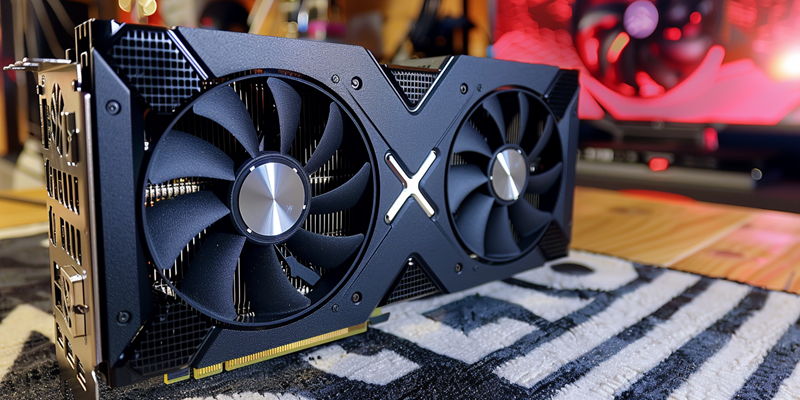
The NVIDIA GeForce RTX 4090’s launch was met with enthusiasm from gamers and graphics professionals alike. However, the excitement was dampened by reports of the 12VHPWR power connector burning and melting, causing alarm for those who had invested in this advanced technology. NVIDIA responded by revising the connector, aiming to prevent excessive power draw when it wasn’t fully inserted by adjusting the sense pins. This modification was crucial in addressing the issue that risked damaging the GPUs and eroding user trust. While the intention was to correct and prevent further incidents, the conversation surrounding the GPU’s reliability continued as the community closely monitored the effectiveness of NVIDIA’s solution in safeguarding the high-performing graphics card and maintaining customer satisfaction.
NVIDIA’s Response to the Crisis
The stakes were high for NVIDIA to address the connector fiasco effectively. Their design revision was not merely a face-saving endeavor but a crucial fix to maintain the integrity of their flagship product. The redesigned connectors featured shorter sense pins, a modification aimed at sidestepping the issue at the heart of the crisis. By theoretically preventing overheating when the cable is not fully seated, NVIDIA has attempted to ensure that the high power requirements of their GPUs do not lead to dangerous outcomes. Repair shops seeing a significant drop in damaged units could be an indicator of this revision’s success, underscoring NVIDIA’s commitment to both product reliability and user safety.
The Community’s Reception and Ongoing Concerns
While NVIDIA’s swift redesign of the 12VHPWR connector may have assuaged some fears, consumers and tech enthusiasts alike have scrutinized the efficacy of this fix. The repair shop statistics and the decrease in reported incidents are encouraging, yet a definitive conclusion on the connector’s reliability may still be premature. Skepticism remains within the community, partly fueled by the mishaps involving third-party cables from companies like CableMod. Despite updated guidelines and recall efforts, the situation has put a spotlight on the delicacy of this high-powered connection and the critical need for vigilant adherence to best practices when setting up these GPUs. The consumer demand for a failsafe solution is palpable, and only with time will it become clear whether NVIDIA’s revised connector can wholly live up to such expectations.