

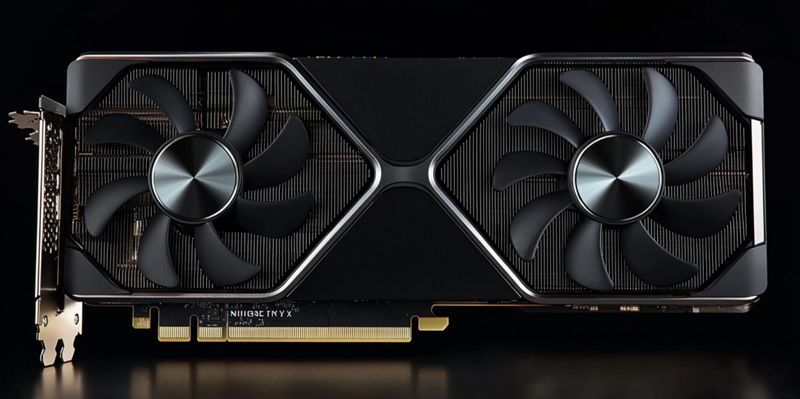
NVIDIA’s release of a new bundle featuring the Digital Premium Edition of the highly anticipated game, Indiana Jones & The Great Circle, packaged with its GeForce RTX 40 series GPUs, has set the gaming community abuzz. Developed by MachineGames, renowned for their work on the recent Wolfenstein series, the game employs state-of-the-art NVIDIA technologies such as DLSS 3.5, ray tracing, ray reconstruction, path tracing, and DLSS frame-generation support to provide unparalleled image quality and performance. This bundle is available until December 29 and offers early access to the game, which officially launches on December 9. Early access is included as part of the Digital Premium Edition, emphasizing NVIDIA’s dedication to offering early adopters and enthusiasts a superior gaming experience.
Leveraging Advanced Graphics
The new RTX 40 series bundle is more than just an early access ticket; it is a showcase of NVIDIA’s cutting-edge hardware and software capabilities. Available for GPUs including the GeForce RTX 4090, 4080 SUPER, 4080, 4070 Ti SUPER, 4070 Ti, 4070 SUPER, and 4070, along with their laptop counterparts, the bundle underscores NVIDIA’s strategy to deliver peak performance. NVIDIA’s latest advancements, such as DLSS 3.5 and enhanced ray tracing, are integral to the game’s design, ensuring players experience the highest quality graphics without compromising on performance. These technologies not only improve image quality but also enhance overall gaming smoothness, making high frame rates achievable even in graphically intense scenes. The inclusion of these GPUs also signifies NVIDIA’s intent to remain at the forefront of gaming technology by consistently pushing the boundaries of what’s possible.
A Cohesive Strategy
NVIDIA’s recent driver updates reveal a broader strategy, which includes extended support for popular games like STALKER 2 and Microsoft Flight Simulator 2024. Additionally, the move to bring the NVIDIA App out of beta signals the company’s commitment to broader compatibility and performance improvements across a variety of popular titles. These developments aim to offer gamers a more seamless and enriched experience by ensuring optimal functioning of their hardware with a wider range of video games. This coherent strategy highlights NVIDIA’s focus on providing comprehensive technological support and maximizing gaming performance. As the company continues to integrate advanced graphics features and form high-profile game collaborations, it reaffirms its dedication to enhancing the gaming ecosystem, proving that its latest bundle is not merely a promotional tactic but a substantial step forward in gaming technology.