

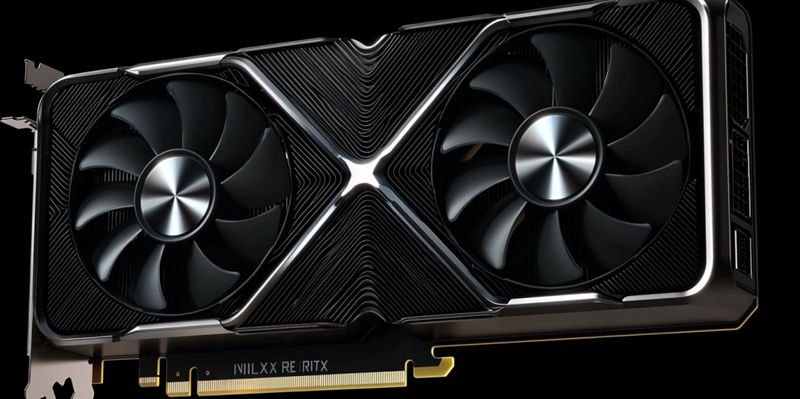
NVIDIA is shifting gears as they prepare to cease production of their GeForce RTX 4070, 4070 Ti SUPER, and 4070 SUPER GPUs by the end of 2024 in anticipation of the upcoming RTX 5070 series’ launch in February 2025. With the introduction of the RTX 50 "Blackwell" Gaming GPUs expected shortly, NVIDIA plans to phase out several high-end RTX 40 GPUs, including the 4090, 4090D, and 4080 SUPER models. According to reliable sources at the Board Channels forums, RTX 4070 series production will halt around December 2024, and the RTX 4070 Ti SUPER is projected to be sold out come November 2024 due to limited inventory. Both the RTX 4070 SUPER and RTX 4070 will have constrained supply through the fourth quarter with production wrapping up by early December and any remaining units to be cleared by January 2025.
This strategic move by NVIDIA is aptly timed to coincide with the Black Friday and Holiday shopping seasons. Retailers and AIBs (Add-in Boards) are expected to leverage this period to push deals and clear their stock of the outgoing models. The RTX 5070 series is set to make its debut at the Consumer Electronics Show (CES) 2025, expected to be unveiled by NVIDIA CEO Jensen Huang himself. NVIDIA is not alone in stirring the market; competing GPU manufacturers like AMD and Intel also have their eyes set on launching their next-gen products in the coming months. These coordinated efforts suggest a significant market realignment, with consumers potentially benefiting from discounts on the outgoing models during the holiday sales periods as retailers focus on making space for the new 5070 series.
Transition and Inventory Management
One crucial aspect of phasing out the RTX 4070 series ahead of the new RTX 5070 series launch is effective inventory management. With consumers traditionally flocking to stores and online platforms for Black Friday and Holiday shopping, NVIDIA’s decision to wind down production and clear inventories during this period is a strategic move. By offering attractive deals and discounts, retailers can clear out the older GPU models to make way for the RTX 5070 series. Consequently, consumers stand to benefit from reduced prices on RTX 40 GPUs ahead of the imminent launch of RTX 50 "Blackwell" Gaming GPUs. The phased-out products, namely the 4090, 4090D, and 4080 SUPER, along with the RTX 4070 series, will likely see price cuts, making these high-performance GPUs more accessible to a broader audience during the sales seasons.
In the cutthroat world of GPU manufacturing, staying ahead of the curve is imperative. The upcoming months look to be an intense period of market competition, with AMD and Intel poised to introduce their next-gen GPUs alongside NVIDIA’s RTX 5070 series. This race to innovate and meet growing consumer demands is indicative of the fierce rivalry in the GPU market, which ultimately benefits the end-user with more advanced options and potential price reductions on older models. As the market braces for this transition, enthusiasts will keenly watch for competitive pricing, technological advancements, and exclusive deals aimed at wooing potential buyers.
The Future of Gaming and Graphics Technology
NVIDIA is gearing up to stop producing their GeForce RTX 4070, 4070 Ti SUPER, and 4070 SUPER GPUs by the end of 2024, making way for the launch of the RTX 5070 series in February 2025. The rollout of the RTX 50 "Blackwell" Gaming GPUs is anticipated soon, leading NVIDIA to phase out several high-end RTX 40 models, including the 4090, 4090D, and 4080 SUPER. According to the Board Channels forums, production for the RTX 4070 series will cease around December 2024, with the RTX 4070 Ti SUPER likely sold out by November due to limited stock. The RTX 4070 SUPER and RTX 4070 will face supply constraints through the fourth quarter, with production ending by early December and remaining units cleared by January 2025.
This strategic decision aligns with the Black Friday and Holiday shopping seasons, allowing retailers and Add-in Boards (AIBs) to push deals and clear stock of outgoing models. The RTX 5070 series will debut at CES 2025, likely unveiled by NVIDIA CEO Jensen Huang. Competitors like AMD and Intel also plan to launch new products soon, indicating significant market changes. Consumers may benefit from discounts on outgoing models during holiday sales as retailers prepare for the new 5070 series.