

Reimagining the Smartphone Landscape
In a world teeming with innovative technology, one might wonder, “What does it take to dethrone a smartphone king?” In a market dominated by tech giants like Apple and Samsung, introducing a new challenger seems daunting. Yet, as consumers grow weary of familiar faces and rising prices, there seems to be a call for fresh alternatives in the high-end smartphone domain. What if a new contender, with a radical design ethos and forward-thinking features, is on the horizon? Enter the Nothing Phone 3, a device keen on making a mark in this highly competitive arena.
The Significance of Nothing Phone 3’s Entry
The smartphone market’s upper echelons have long been ruled by a few established brands. These companies have set standards high not only in terms of technological advancement but also in the demand for eco-friendly innovation. Today’s consumers are increasingly discerning, valuing sustainability alongside cutting-edge technology. The Nothing Phone 3 enters this realm not just as another device but as a potential disruptor that aligns itself with broader industry trends such as eco-conscious design and unprecedented user interaction.
Exploring the Nothing Phone 3
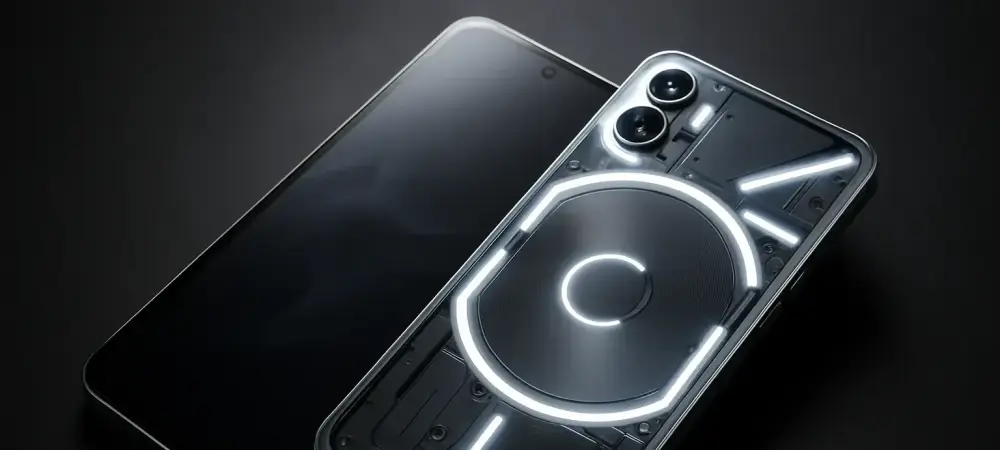
One of Nothing Phone 3’s most distinctive qualities lies in its design, which fuses transparency with recycled materials to create a unique aesthetic. The boxy yet sleek appearance is complemented by an impressive screen-to-body ratio, challenging the visual appeal of any top-tier competitor. With a seamless 6.67-inch AMOLED display that boasts a refresh rate of 120Hz and peak brightness of 4500 nits, it promises an engaging visual experience, rivaling that of well-established brands like the Galaxy S25 and OnePlus 13.
Much attention has been directed toward the Glyph Interface of the Phone 3, a feature designed to enrich user interaction without frequent screen activations. This intuitive display lights up in response to various notifications, presenting a novel approach to user engagements. Complementing this, the software ecosystem, Nothing OS 3.5, offers long-term update commitments, providing a user experience that marries functionality with novelty.
Insights from Industry Experts
While some industry analysts praise the Nothing Phone 3’s distinct identity and innovative spirit, they also raise concerns about its readiness to disrupt the market fundamentally. Early adopters commend its unique features yet observe that its performance, powered by the Snapdragon 8s Gen 4, still lags behind some competitors. Consumers and tech reviewers alike admire its fresh approach to design and sustainable practices, though questions linger about its capability to rival the entrenched giants of the sector.
Charting the Path Forward in a Competitive Market
For the Nothing Phone 3 to carve out a niche amidst established heavyweights, differentiation strategies are paramount. Targeting market segments valuing distinct design choices and sustainability may offer a unique competitive edge. Improving camera functionality and leveraging the Glyph Interface could be pivotal in attracting a new consumer base. Additionally, integrating sustainability within branding could foster long-term growth by appealing to environmentally conscious consumers. Building loyalty through comprehensive software support also represents a promising pathway to gaining a dedicated user following.
Concluding Thoughts on Nothing Phone 3’s Potential
The Nothing Phone 3 presents noteworthy potential for reshaping consumer expectations with its avant-garde design and innovative features. Still, the challenges of standing up to industry behemoths require more than just a noteworthy aesthetic and eco-friendly appeal. By continuing to refine its technology and enhance user engagement through robust specs and unique interfaces, Nothing Phone 3 is positioned to capture the attention of consumers seeking a fresh experience in the saturated market.