

The Rise of the Nordic Digital Powerhouse
The global landscape of digital storage is shifting toward the cold, energy-rich corridors of Northern Europe as tech giants seek alternatives to overcrowded traditional hubs. Norway, once celebrated primarily for its natural beauty, is now surfacing as a top-tier contender for international data infrastructure due to its unique combination of vast land and carbon-neutral power. This transition represents a significant pivot in the regional economy, moving from traditional resource extraction toward a high-tech future. As the industry looks for scalable solutions that meet strict environmental standards, the Norwegian model offers a compelling blueprint for sustainable growth.
Building on a Legacy of Renewable Energy and Innovation
Norway’s entry into the digital age is supported by over a century of expertise in hydropower, providing a stable and cost-effective energy foundation. This historic surplus of clean electricity has become the primary draw for companies looking to decouple their growth from carbon emissions. By leveraging existing grid strengths, the nation has moved beyond theoretical potential into practical, large-scale implementation. Regional energy leaders like Østfold Energi have transitioned from simple utility providers to strategic commercial partners, facilitating the infrastructure necessary for hyperscale operations. This evolution underscores a national commitment to repurposing natural wealth into the currency of the modern erdata processing power.
Analyzing the Strategic Pillars of the Norwegian Data Expansion
Large-Scale Infrastructure: The Sarpsborg and Våler Blueprints
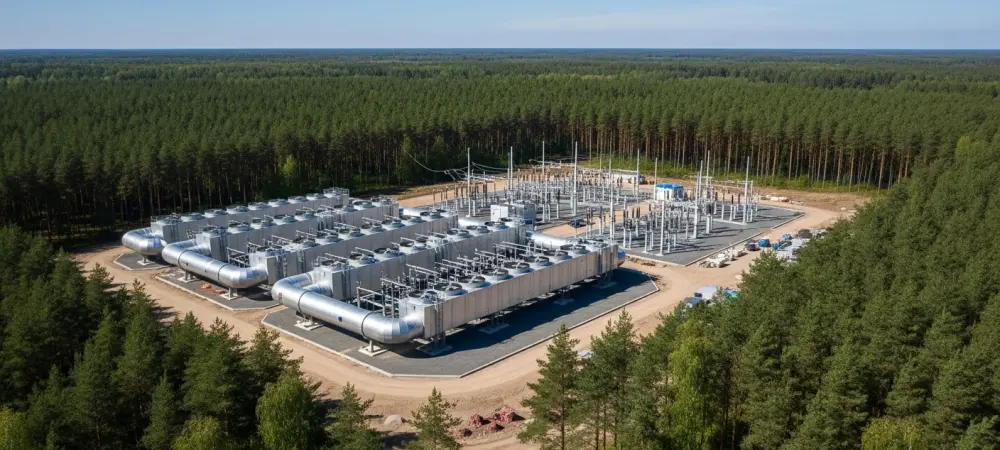
The physical scale of Norwegian projects is exemplified by the developments in Sarpsborg and Våler, which aim to redefine the country’s industrial footprint. The Hasle site, a massive undertaking spanning over 1,700 acres, represents one of the most ambitious zoning efforts in the region with a potential capacity of 300MW. Such projects require meticulous long-term planning, with final milestones expected by 2027, highlighting the patience required for high-stakes digital infrastructure. These sites are not merely industrial zones; they are designed with buffer areas and community considerations to ensure that the expansion remains compatible with the local environment and social expectations.
The Impact of Hyperscale Investments and the Google Influence
The presence of global titans like Google has fundamentally validated Norway’s strategic vision, acting as a magnet for further capital. In Våler, the securing of development rights by such a major player signals a high degree of confidence in the regional grid’s reliability. This investment follows a broader trend of “hyperscale” clusters forming across the Nordics, where the world’s largest tech firms anchor their European services. While these partnerships bring immense economic vitality, they also require the region to maintain a competitive edge in network capacity and regulatory stability to keep these multinational interests aligned with local goals.
Navigating Technical Complexities and Regional Integration
Integrating massive data centers into the existing social and technical fabric involves more than just laying fiber optic cables. It requires a sophisticated collaboration between municipal governments and energy providers to mitigate the “not in my backyard” sentiment that often follows heavy industry. By viewing these facilities as integrated components of urban planning—capable of contributing waste heat to local systems—Norway is debunking the myth that data centers are isolated “bit barns.” This approach ensures that the digital economy provides tangible local benefits, such as job creation and specialized technical training, rather than existing as an autonomous industrial island.
Future Trends and the Evolution of the Nordic Cloud
As the demand for artificial intelligence grows, the need for high-density computing that does not compromise climate goals will only intensify. Norway is positioned to capitalize on this by offering naturally cool climates that drastically reduce the energy required for server cooling. Future developments will likely focus on “green” computing clusters that utilize every watt of energy with maximum efficiency. We anticipate a surge in secondary tech sectors, including cybersecurity and specialized maintenance, as the infrastructure currently under development matures. The transition toward edge computing will also bring data closer to European users while maintaining the low-latency advantages of the Norwegian hub.
Strategic Takeaways for Industry Stakeholders
For investors and tech firms, the primary directive is to engage in early-stage cooperation with regional authorities to secure long-term viability. The Norwegian market favors those who align their operations with the country’s stringent sustainability mandates and community-integrated planning models. Local professionals should prepare for a diversifying job market that demands expertise in both electrical engineering and advanced digital security. Success in this region depends on a deep understanding of the lengthy development timelines, which often require a decade of commitment from initial concept to full operational capacity.
Conclusion: A Sustainable Blueprint for the Digital Age
The strategic initiatives in Sarpsborg and Våler proved that Norway was capable of aligning its environmental heritage with the demands of the global tech industry. Stakeholders moved beyond traditional industry models to embrace a synergy between public policy and private investment. These developments established a framework where renewable energy and digital growth thrived in tandem. It was clear that the successful integration of hyperscale projects into the local landscape provided a replicable model for other nations. Ultimately, the commitment to green infrastructure solidified the region’s status as a dependable and ethical backbone for the world’s digital future.