

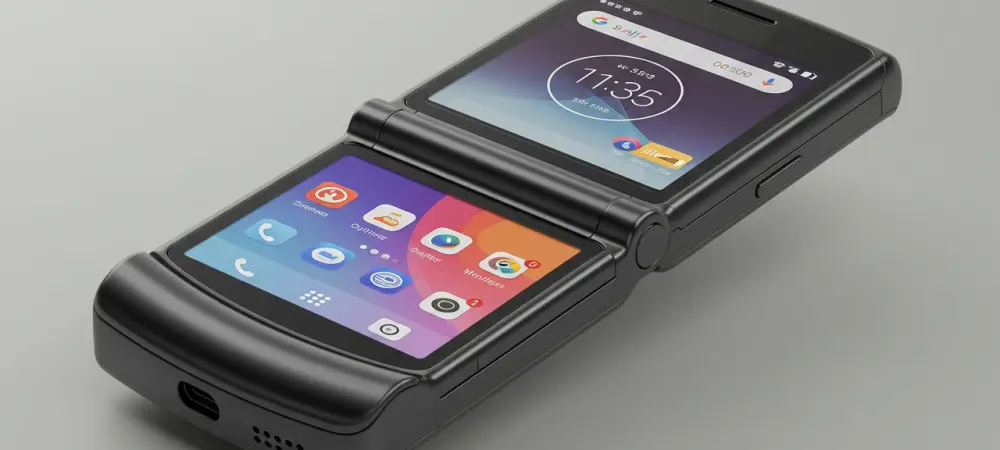
The flip phone market has seen a resurgence in popularity, rekindling the charm of smaller, foldable devices that combine nostalgia with modern technology. Among these innovative options is the Motorola Razr 60, a device that stands out due to its design and affordability, eschewing the exorbitant price tags of many of its competitors. Priced at an attractive $800, the Razr 60 occupies a unique space between basic functionality and luxury features, offering users a sophisticated experience without straying into ultra-premium pricing territory. The deep-rooted appeal of its vibrant design and practicality points toward a successful return, reminiscent of the early 2000s Razr models.
Design and Durability: A Visual Feast
Distinctive Color Choices and Protection
The Motorola Razr 60 sets itself apart with its attention to aesthetics, featuring a palette of Pantone color options. This choice not only adds a touch of personalization but also fortifies the visual allure of the device against its peers. Additionally, the Razr 60 holds an IP48 certification, ensuring protection against water splashes and limited dust exposure. This feature makes the phone more resilient to everyday mishaps, providing users with a certain peace of mind regarding the device’s durability. Whether in a bustling city or a sandy beach, users can rely on the Razr 60 to withstand typical environmental challenges without compromising style.
Hinge Technology and Practical Folding Mechanism
The Razr 60’s engineering excellence is evident in its robust hinge and seamless folding mechanism. This meticulous design choice facilitates compact storage in small spaces like pockets, appealing to those who prioritize portability. In addition to being travel-friendly, the folding technology supports unique functionalities, such as hands-free photography, freeing users from needing a tripod. The hinge’s durability and the smoothness of its folding action contribute to both the phone’s longevity and its versatile applications. This intricate blend of design and practicality highlights the Razr 60 as not just a throwback but a forward-thinking device catering to modern conveniences.
Balancing Features and Performance
Comparative Performance with High-End Models
The Motorola Razr 60’s performance doesn’t claim superiority over flagship models such as the Razr 60 Ultra, yet it sufficiently meets the daily needs of average users. When assessed alongside its higher-tier sibling and formidable rivals like the Samsung Galaxy Z Flip6, the Razr 60 holds its ground remarkably well. The device manages to deliver satisfactory performance, handling general tasks with ease, though it lacks the exceptional speed and camera capabilities of ultra-premium phones. For users not obsessed with the latest processors or cutting-edge photographic technology, the Razr 60 offers an ample balance between functionality and affordability.
Addressing Screen Flicker and Camera Concerns
One notable concern surrounding the Razr 60 is the PWM flickering issue, particularly visible to those with sensitive eyesight. While this screen characteristic may prove bothersome to some users, it generally does not detract significantly from the overall experience. Additionally, the camera quality, while competent, may not match the ultra-clear precision of high-end devices. However, for most casual photographers, this compromise is acceptable, considering the device’s price point. These acknowledged limitations do not overshadow the overall value and experience offered by the Razr 60, as it carves its niche in the burgeoning flip phone market.
A Prudent Choice in a Competitive Landscape
Value Proposition and Market Consideration
In the competitive arena of flip phones, the Motorola Razr 60 makes a compelling case by delivering a blend of style, innovation, and value. Positioned strategically within the market, it offers an alternative to those who appreciate cutting-edge design without being overwhelmed by top-tier prices. The device’s appealing design choices and reliable performance juxtaposed against its modest cost create a viable option for consumers seeking equilibrium between aesthetics and utility. Although compromises exist, the phone’s merits in delivering essential functionalities with flair contribute to its standing as a worthwhile consideration.
Redefining Modern Expectations of Nostalgia
The flip phone market is experiencing a revival as these compact, foldable devices capture the charm of yesteryear with the convenience of modern technology. Leading this comeback is the Motorola Razr 60, a gadget that differentiates itself with its stylish design and budget-friendly pricing, steering clear of the steep costs associated with many rival models. At a competitive price of $800, the Razr 60 carves out a niche that blends core features with elements of luxury, delivering a polished user experience without veering into the ultra-premium category. Its appealing design and practicality harken back to the nostalgic allure of the early 2000s Razr phones, signaling the potential for a triumphant reemergence. The Razr 60 caters to consumers seeking the perfect blend of past and future, offering a nostalgic nod to the iconic clamshell design while being equipped with current technological advancements, making it a favored choice among those looking for a device that balances simplicity with sophistication.