

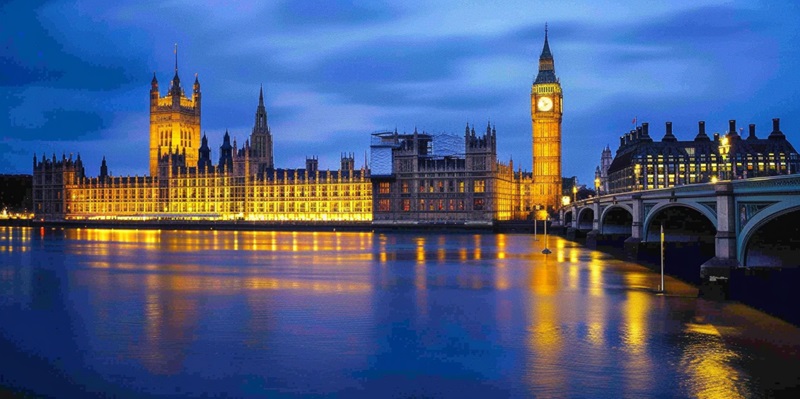
Microsoft has strategically positioned its latest AI hub in the thriving tech ecosystem of London, marking a significant commitment to the field of artificial intelligence. London’s status as a global hub of innovation and technology makes it an ideal location for Microsoft to foster advancements in AI. This move signals a strong vote of confidence in the UK’s potential to lead the charge in AI development, capitalizing on its rich talent pool and academic excellence.
The hub is spearheaded by the renowned AI expert Jordan Hoffman, demonstrating Microsoft’s serious intentions to be at the forefront of AI research and development. The establishment of the London AI hub is not just an expansion of Microsoft’s operations; it’s a deliberate effort to ignite a movement that aims to influence the direction of AI on a global scale.
Expanding AI Frontiers: The Role of the London Hub
Under the leadership of Hoffman, the London AI hub is set to push the limits of AI technology, particularly in the realm of language models and foundational AI. Microsoft’s investment in creating this hub is a testament to its desire to build a central point where the UK’s trailblazing ideas can merge with the company’s vast resources.
The hub is more than a place of work—it’s intended to be a collaborative, innovative space that attracts top talents who are driven to shape the future of AI. Microsoft’s expansion in the UK is about fostering a cultural revolution in innovation and nurturing a space that encourages the exchange and development of groundbreaking ideas.
Talent Hub and Ethical Innovation
Microsoft’s commitment to ethical AI development is clear, with figures like Mustafa Suleyman leading the charge for responsible innovation. The AI hub in London is structured with the global need for safe and equitable AI at its core. Microsoft’s approach emphasizes gold-standard research paired with a commitment to ethics, ensuring AI development is conscientious and aligned with societal values.
By providing AI professionals with state-of-the-art computing resources, Microsoft underscores the demand for careers that combine technical excellence with ethical consideration. The company stands as an exemplar for how technology can and should be aligned with humanity’s core principles.
The inauguration of Microsoft’s London AI hub is poised to be a milestone in the progress of artificial intelligence. With its focus firmly on ethical innovation and unparalleled expertise, Microsoft is ready to guide the AI industry into the future. The hub’s success could set a precedent for how technology is shaped by human values, creating a world where AI not only advances our capabilities but also upholds our highest ethical standards.