
Is Microsoft Bringing Back Drag-and-Drop to Windows 11?

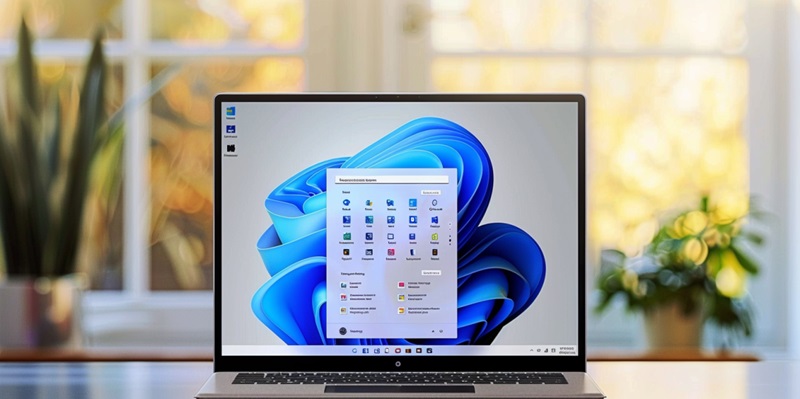
After facing significant pushback from the Windows community for the removal of the drag-and-drop feature with the release of preview update KB5030310, Microsoft has taken steps to address the issue. The drag-and-drop feature that was missing in Windows 11 allowed users to move files easily by dragging them onto various locations in the File Explorer address bar. Responding to the concerns about the direction of Windows 11, Microsoft reinstated the feature with the rollout of update KB5035953.

While not automatically reinstated, the drag-and-drop functionality could be enabled through ViVeTool. Windows Insider Preview Beta users now had the option to return to the file organization method they were accustomed to, albeit with a few additional steps needed.

Looking Ahead: The Future of File Management in Windows

Microsoft’s reintroduction of the drag-and-drop feature in Windows 11’s File Explorer not only illustrates the company’s responsiveness to consumer feedback but also points to a dedication to improving the overall user experience. This aligns with the company’s goals of merging local and cloud system capabilities, maintaining essential features of traditional computing while integrating progressive improvements.

The commitment to blending well-loved functionalities with new enhancements reveals Microsoft’s adaptive approach to operating system development. As Windows continues to evolve, it is positioned to serve as a dynamic, user-focused platform that respects the importance of innovation alongside user familiarity.

Explore more

How Does Martech Orchestration Align Customer Journeys?

A consumer who completes a high-value transaction only to be bombarded by discount advertisements for that exact same item moments later experiences the digital equivalent of a salesperson following them out of a store and shouting through a megaphone. This friction point is not merely a minor annoyance for the user; it is a glaring indicator of a systemic failure

AMD Launches Ryzen PRO 9000 Series for AI Workstations

Modern high-performance computing has reached a definitive turning point where raw clock speeds alone no longer satisfy the insatiable hunger of local machine learning models. This roundup explores how the Zen 5 architecture addresses the shift from general productivity to AI-centric workstation requirements. By repositioning the Ryzen PRO brand, the industry is witnessing a focused effort to eliminate the data

Will the Radeon RX 9050 Redefine Mid-Range Efficiency?

The pursuit of graphical fidelity has often come at the expense of power consumption, yet the upcoming release of the Radeon RX 9050 suggests a calculated shift toward energy efficiency in the mainstream market. Leaked specifications from an anonymous board partner indicate that this new entry-level or mid-range card utilizes the Navi 44 GPU architecture, a cornerstone of the RDNA

Can the AMD Instinct MI350P Unlock Enterprise AI Scaling?

The relentless surge of agentic artificial intelligence has forced modern corporations to confront a harsh reality: the traditional cloud-centric computing model is rapidly becoming an unsustainable drain on capital and operational flexibility. Many enterprises today find themselves trapped in a costly paradox where scaling their internal AI capabilities threatens to erase the very profit margins those technologies were intended to

How Does OpenAI Symphony Scale AI Engineering Teams?

Scaling a software team once meant navigating a sea of resumes and conducting endless technical interviews, but the emergence of automated orchestration has redefined the very nature of human-led productivity. The traditional model of human-AI collaboration hit a hard limit where a single engineer could typically only supervise three to five concurrent AI sessions before the cognitive load of context