

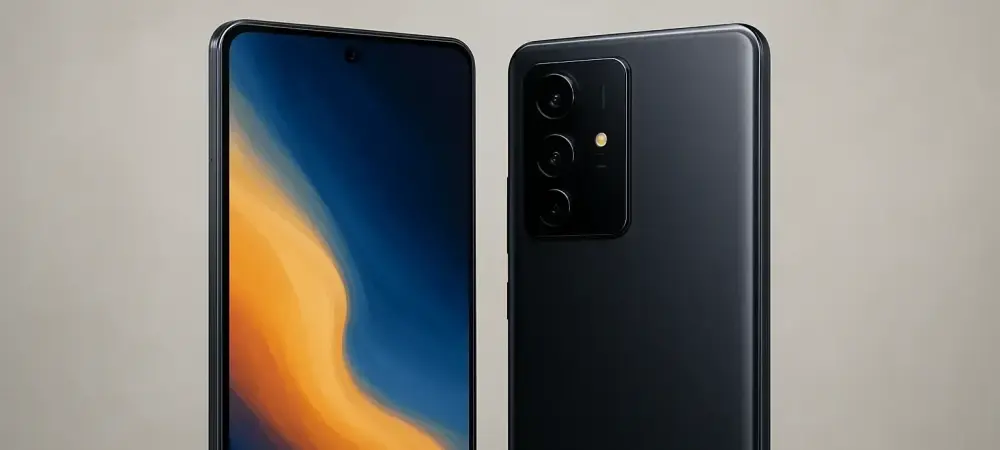
Introduction to iQOO 15 and Vivo’s Software Commitment
In an era where smartphone longevity is becoming as critical as hardware performance, Vivo’s sub-brand iQOO has made headlines with its latest flagship, the iQOO 15, a device packed with cutting-edge specs that has emerged as a potential disruptor in the competitive smartphone market, particularly with its unprecedented software support policy. This development raises intriguing questions about how Vivo is positioning itself against industry giants and what it means for consumers seeking value and durability in their devices.
The purpose of this FAQ is to delve into the specifics of iQOO 15’s features and Vivo’s evolving approach to software updates. By addressing key questions, this piece aims to provide clarity on why this smartphone stands out and how it reflects broader trends in the industry. Readers can expect detailed insights into the device’s capabilities, Vivo’s update promises, and the implications for current and potential users in various markets.
This discussion will cover critical aspects such as hardware highlights, software support duration, and Vivo’s strategic moves in global expansion. Each section is designed to unpack a unique facet of this topic, ensuring a comprehensive understanding of what makes the iQOO 15 a noteworthy contender. By the end, the goal is to equip readers with actionable information to assess whether this device aligns with their needs.
Key Questions About iQOO 15 and Vivo’s Update Policy
What Makes iQOO 15’s Hardware Stand Out?
The iQOO 15 has captured attention with its remarkable specifications, especially considering its competitive starting price of around €600. Equipped with the Qualcomm Snapdragon 8 Elite Gen 5 processor, this smartphone offers top-tier performance, rivaling more expensive flagships. Additionally, its AMOLED display reaches an impressive peak brightness of 6,000 nits, ensuring visibility even under harsh lighting conditions, while a massive 7,000mAh battery promises extended usage without frequent recharges. This combination of features positions the iQOO 15 as one of the most affordable devices with the fastest Snapdragon chip available today. Primarily launched in markets like China, it targets users who prioritize performance and value over brand prestige. Such hardware capabilities make it a compelling choice for gamers, tech enthusiasts, and anyone seeking a high-performing device without breaking the bank.
How Has Vivo’s Software Support Evolved with iQOO 15?
Vivo’s approach to software longevity has seen a significant transformation over recent years, culminating in a groundbreaking policy for the iQOO 15. Unlike earlier models such as the iQOO 11, which received only three major Android updates and four years of security patches, the iQOO 15 is promised five major Android updates and an extraordinary seven years of security patches. This marks a substantial leap toward matching industry leaders like Google, whose latest Pixel devices also commit to seven years of comprehensive updates. This extended support addresses a long-standing concern among smartphone users about device obsolescence. With security patches spanning from 2025 to 2032, users can feel confident that their investment remains protected against vulnerabilities for nearly a decade. This shift not only enhances the iQOO 15’s appeal but also signals Vivo’s dedication to improving user experience through sustained software care.
The importance of this policy cannot be overstated, as it aligns with growing consumer demand for devices that remain functional and secure over longer periods. By prioritizing such extensive support, Vivo demonstrates responsiveness to market expectations, potentially setting a new standard for mid-range and flagship devices alike. This move could influence how other manufacturers approach software commitments in the future.
What Does This Update Policy Mean for Consumer Trust? Vivo’s decision to offer seven years of security updates with the iQOO 15 reflects a strategic effort to build trust and loyalty among its user base. Historically, limited software support has been a drawback for many Vivo and iQOO devices, often leaving users with outdated systems after just a few years. By addressing this issue head-on, the company is showing a commitment to customer satisfaction that goes beyond initial purchase appeal.
Evidence of this broader strategy can be seen in Vivo’s recent actions to update older models like the iQOO Neo 7 and Neo 7 Pro to Origin OS 6, despite earlier expectations of them remaining on Funtouch OS 15. Such initiatives suggest that Vivo is not only focusing on new releases but also valuing existing customers by extending the lifecycle of past devices. This approach helps foster a sense of reliability among users who might have previously felt neglected.
For consumers, this policy translates to greater confidence in choosing iQOO devices, knowing that their smartphones will remain relevant and secure for an extended duration. It also positions Vivo as a brand that listens to feedback and adapts to industry trends, potentially encouraging repeat purchases and positive word-of-mouth recommendations in competitive markets.
Is Vivo Planning to Expand iQOO 15 to Global Markets?
One of the pressing questions surrounding the iQOO 15 is whether its availability will extend beyond markets like China to regions such as the US or Europe. Currently, the device remains limited to select areas, which has left many international consumers curious about Vivo’s plans. However, recent developments hint at a possible shift in strategy that could bring iQOO devices to a wider audience. The launch of the Vivo X300 Pro in Europe shortly after its debut in China serves as a strong indicator of Vivo’s growing interest in the European market. This move suggests that the company is testing the waters for broader global expansion, potentially paving the way for iQOO flagships like the iQOO 15 to follow suit. If successful, this could mark a significant step toward making iQOO a recognized name in Western markets.
While no official announcements have confirmed the iQOO 15’s global release, the combination of enhanced software support and competitive pricing could make it an attractive option for international consumers. For now, interested buyers outside China can only monitor Vivo’s actions and hope for updates on availability, as the company’s focus on software longevity might be a precursor to a more ambitious market strategy.
Summary of iQOO 15’s Impact and Vivo’s Direction
The key points discussed highlight the iQOO 15 as a standout device, blending cutting-edge hardware with an unprecedented software update policy from Vivo. With features like the Snapdragon 8 Elite Gen 5 processor, a brilliant AMOLED display, and a robust 7,000mAh battery, it offers exceptional value at a starting price of around €600. More notably, the commitment to five Android updates and seven years of security patches positions it as a long-term investment for users.
This FAQ also underscores Vivo’s broader efforts to enhance consumer trust through improved software support, as seen in updates for older models and potential plans for global expansion. These steps reflect a clear alignment with industry trends that prioritize device longevity and user satisfaction. The implications are significant, as they suggest Vivo is striving to compete with top-tier manufacturers on multiple fronts.
For readers seeking deeper insights, exploring Vivo’s official announcements or industry analyses on smartphone software policies can provide additional context. Such resources offer a broader perspective on how brands are adapting to consumer needs and technological advancements. This summary encapsulates the essence of Vivo’s current trajectory with the iQOO 15 at its forefront.
Final Thoughts on iQOO 15 and Vivo’s Future
Reflecting on the discussions, it becomes evident that Vivo has taken a bold step with the iQOO 15, merging powerful hardware with a software support policy that rivals industry leaders. This blend positions the device as a benchmark for what consumers can expect from mid-range flagships in terms of both performance and longevity. The seven-year update promise, in particular, stands out as a defining factor in enhancing user confidence.
Moving forward, readers are encouraged to evaluate how such developments align with their expectations for smartphone durability and value. Considering personal usage patterns and the importance of long-term security can guide decisions on whether devices like the iQOO 15 suit individual needs. Staying informed about Vivo’s potential global expansion also becomes a practical next step for those outside current markets.
Ultimately, the focus shifts to actionable considerations, such as monitoring Vivo’s market strategies or exploring alternative devices with similar update commitments. This perspective introduces a forward-looking angle, urging users to anticipate how Vivo’s policies might evolve and influence the broader smartphone landscape in the years ahead.