

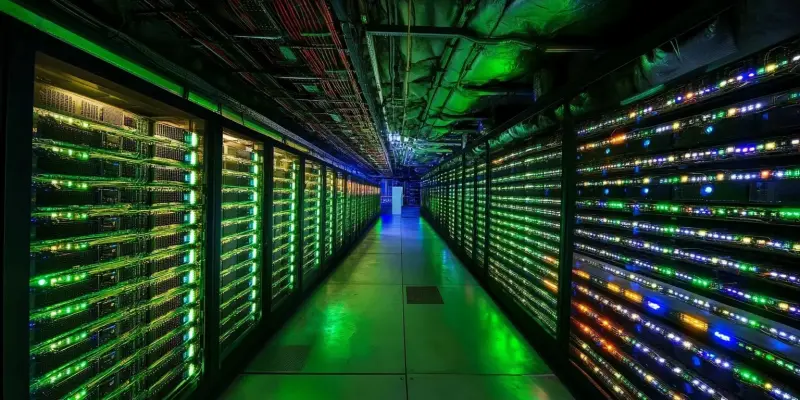
Infomaniak, a prominent IT firm based in Geneva, Switzerland, has made considerable strides by inaugurating a new data center within the city. This facility, uniquely positioned underground in the Bistoquetter housing cooperative area, is exclusively powered by renewable energy sources. Notably, it leverages hydroelectric power to meet its operational demands, exemplifying a strong commitment to sustainable energy practices.
Advanced Integration of Renewable Energy
One of the standout elements of Infomaniak’s new data center is its innovative integration into a district heating network. This network is capable of providing heat to as many as 6,000 homes, showcasing a dual-use of energy that supports both data management and residential heating needs. However, despite the significant implications of this development, specific details and technical specifications of the new data center have not yet been disclosed. Efforts are being made to obtain more comprehensive information directly from Infomaniak.
A Commitment to Energy Efficiency
Thomas Jacobsen, a spokesperson for Infomaniak, highlighted a concerning yet intriguing comparison by stating that the company’s servers could match Japan’s energy consumption by 2026. This forecast underscores the critical importance of efficient energy use and sustainable practices within the IT sector. Infomaniak has taken substantial steps in this direction by eliminating traditional air conditioning systems in its data centers, although the alternative cooling method remains unspecified.
A Growing Network of Data Centers
Presently, Infomaniak operates two data centers in Geneva. However, it’s unclear if the newly launched center is accounted for within this number. The company’s commitment to renewable energy is longstanding, with a data center launched in 2014 already running entirely on sustainable energy. With over 200 employees, Infomaniak provides a diverse range of services, including cloud hosting, streaming, marketing, and event management, catering to public administrations, businesses, and individual clients.
A Broader Context within Geneva
Geneva is home to several notable data center operators, including Stack, nLighten, Swisscom, and Equinix. Despite the majority of Switzerland’s data centers being concentrated in Zurich, Geneva’s emerging role in this landscape is evident. Infomaniak’s new data center not only bolsters Geneva’s status but also aligns with a broader nationwide shift towards sustainability and renewable energy in data management arenas.
Looking Forward
Infomaniak, a renowned IT company headquartered in Geneva, Switzerland, has taken significant steps towards innovation and sustainability by launching a brand-new data center in the city. This state-of-the-art facility is uniquely situated underground within the Bistoquetter housing cooperative area, distinguishing itself in terms of both location and operational practices. A noteworthy aspect of this data center is its exclusive reliance on renewable energy sources, marking a commendable commitment to environmental responsibility. Specifically, the facility harnesses hydroelectric power to fulfill its substantial operational energy requirements. This approach underscores Infomaniak’s dedication to sustainable energy and reducing its carbon footprint, setting a strong example for the IT industry. The firm’s initiative reflects a broader trend of integrating eco-friendly technologies within urban infrastructures to promote sustainability. This data center not only serves Infomaniak’s growing needs but also aligns with global efforts to embrace greener energy solutions for an environmentally conscious future.