

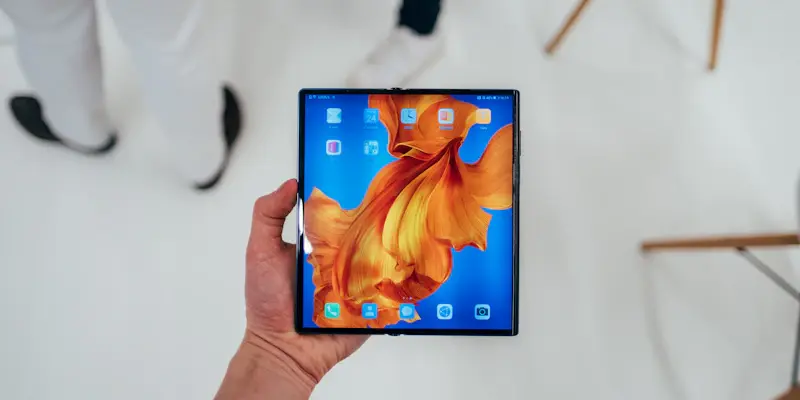
With the recent launch of Huawei’s latest foldable smartphone, the Mate X6, the company has made a significant step in claiming its stake in the global foldable phone market. Unveiled at the “Unfold the Classic” event in Dubai, the Mate X6 brings a wealth of new features, cutting-edge technologies, and design elements that aim to set a new standard in the foldable category. The device succeeds the Mate X5, which was previously only available in China. Now, with this global release, Huawei is demonstrating its ambition to capture the attention and wallets of consumers around the world. The Mate X6 boasts a 7.93-inch main OLED display and a 6.45-inch outer OLED screen, each protected by the second-generation Kunlun glass. Designed to be resilient, both displays offer adaptive refresh rates ranging from 1Hz to 120Hz, ensuring smooth performance whether one is gaming, streaming videos, or just browsing the web.
Under the hood, the Mate X6 is powered by the Kirin 9100 chipset and features an impressive 12GB of RAM coupled with 512GB of internal storage. This powerful combination will likely appeal to power users who require their devices to handle more demanding tasks with ease. The smartphone is also equipped with a 5,110mAh battery, supporting 66W wired fast charging and impressive 50W wireless charging capabilities. This means users can expect minimal downtime and can keep their devices powered throughout the day with just a short recharge. In addition to its performance features, the Mate X6 also showcases advanced camera technology, further enhancing its appeal to photography enthusiasts and professionals.
Unparalleled Camera Features
The Huawei Mate X6 comes with a sophisticated camera setup that includes three outward-facing lenses, which are specifically designed to cater to a variety of photographic needs. A 50-megapixel wide-angle camera with Optical Image Stabilization (OIS) ensures sharp and clear photos in a range of lighting conditions. Additionally, the 40-megapixel ultra-wide-angle camera captures more of the scene, making it perfect for landscape shots and group photos. Complementing these is a 48-megapixel telephoto macro camera that excels at capturing intricate details from a distance. For selfies, users have dual 8-megapixel cameras located on both the main and outer displays, ensuring high-quality images whether the device is folded or unfolded.
The camera capabilities of the Mate X6 are further enhanced by an array of connectivity options and sensors that ensure the device is prepared for virtually any scenario. The smartphone supports Wi-Fi, Bluetooth 5.2, GPS, NFC, GLONASS, Beidou, NavIC, OTG, and USB Type-C, making it versatile and reliable in various situations. Additionally, the device is equipped with sensors including ambient light, barometer, fingerprint, and temperature sensors, providing a rich and responsive user experience. All these features combined position the Mate X6 as an advanced device catering to both professional needs and daily usage, potentially setting a new benchmark within the foldable smartphone category.
Pricing and Market Impact
Huawei has made a significant move in the global foldable phone market with the release of the Mate X6. This new device was unveiled at the “Unfold the Classic” event in Dubai and is packed with innovative features and leading-edge technologies. Succeeding the China-exclusive Mate X5, the Mate X6 aims to attract a worldwide audience with its advanced offerings.
The Mate X6 comes with a 7.93-inch main OLED screen and a 6.45-inch outer OLED screen, both safeguarded by second-generation Kunlun glass. These displays offer adaptive refresh rates from 1Hz to 120Hz, ensuring smooth operation for gaming, streaming, and browsing.
Powered by the Kirin 9100 chipset, the Mate X6 includes 12GB of RAM and 512GB of internal storage. This robust setup should satisfy users needing high performance. The device features a 5,110mAh battery that supports 66W wired fast charging and 50W wireless charging, promising minimal downtime and prolonged usage with quick recharges.
Adding to its allure, the Mate X6 is equipped with advanced camera technology, making it appealing to photography enthusiasts and professionals alike. Huawei aims to capture the global market’s interest with this cutting-edge foldable smartphone.