

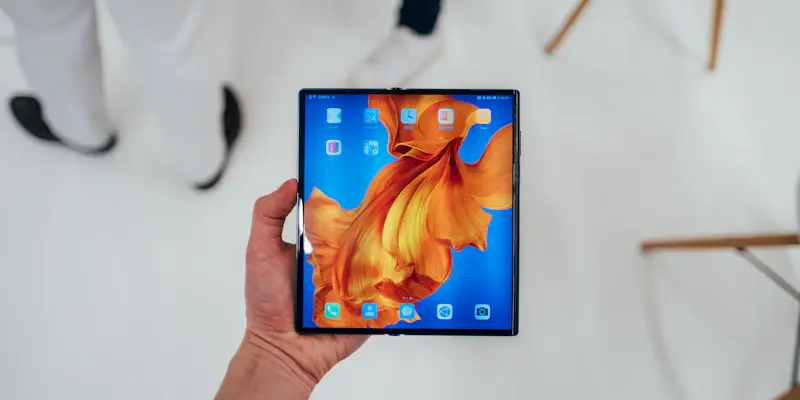
Huawei’s latest innovation in the foldable smartphone market, the Mate XT 2, is generating significant buzz with its rumored enhancements poised to set new standards in technology. The Mate XT 2, successor to the revolutionary Mate XT Ultimate Design, is expected to feature major upgrades, notably in its processing power and camera capabilities. Introduced last September, the Mate XT Ultimate Design stood out as the first tri-fold smartphone equipped with a Kirin 9010 chipset and a robust 5,600mAh battery. These features set a high bar for foldable phones, but it appears the Mate XT 2 will elevate this even further with promising advancements.
Substantial Processor and Camera Upgrades
According to information from the reliable tipster Fixed Focus Digital on Weibo, the Mate XT 2 will be powered by the new Kirin 9020 processor, which signifies a considerable leap from the Kirin 9010 used in its predecessor. This new chipset promises to enhance performance, making the device quicker and more efficient for a range of applications. Additionally, the Mate XT 2 is set to introduce a new camera sensor, which suggests that Huawei is continuing its emphasis on photographic excellence, a trend quite apparent in high-end smartphones today.
The original Mate XT Ultimate Design boasts a 10.2-inch LTPO OLED main screen that folds down to a 7.9-inch display, and further to a 6.4-inch screen. It operates on HarmonyOS 4.2 and includes a versatile camera arrangement featuring a 50-megapixel main camera with Optical Image Stabilization (OIS), a 12-megapixel ultrawide lens, and a 12-megapixel periscope telephoto lens with OIS and 5.5x optical zoom. Additionally, it supports a front-facing 8-megapixel camera and offers 66W wired and 50W wireless charging capabilities.
Eyeing Global Market Potential
The Mate XT Ultimate Design’s initial price was CNY 19,999, a premium that positioned it competitively within the high-end market segment. However, it has been available only in China, limiting its global reach. With the launch of the Mate XT 2, there is speculation that Huawei may explore broader markets, potentially introducing its advanced foldable technology to a wider audience. This move could solidify Huawei’s leadership in the foldable smartphone category and challenge competitors to innovate at a similar pace.
The expected enhancements reflect broader industry trends focusing on cutting-edge photography and heightened performance. The adoption of the Kirin 9020 within the Mate XT 2 aligns with the ongoing push for powerful processors in modern smartphones, ensuring that users can seamlessly multitask, play graphic-intensive games, and experience enhanced AI functionalities. Meanwhile, the new camera sensor could mean that users will obtain even sharper, more detailed images, reinforcing Huawei’s reputation in mobile photography.
The Future of Foldable Smartphones
Huawei’s latest entry in the foldable smartphone market, the Mate XT 2, is generating considerable excitement due to its rumored enhancements, which are set to revolutionize current technology standards. Following in the footsteps of its predecessor, the Mate XT Ultimate Design, the Mate XT 2 is expected to feature significant upgrades, particularly in processing power and camera technology. The Mate XT Ultimate Design, introduced last September, made headlines as the first tri-fold smartphone featuring a Kirin 9010 chipset and a robust 5,600mAh battery. These specifications set a high bar for foldable phones. However, the Mate XT 2 aims to surpass these milestones.
The anticipation surrounding the Mate XT 2 is further fueled by the potential improvements in its hardware and software ecosystem. The enhancements are expected to offer superior performance and user experience, making the Mate XT 2 a formidable contender in the high-end smartphone market. This new model underscores Huawei’s commitment to innovation and excellence, driving forward the evolution of foldable smartphones.