

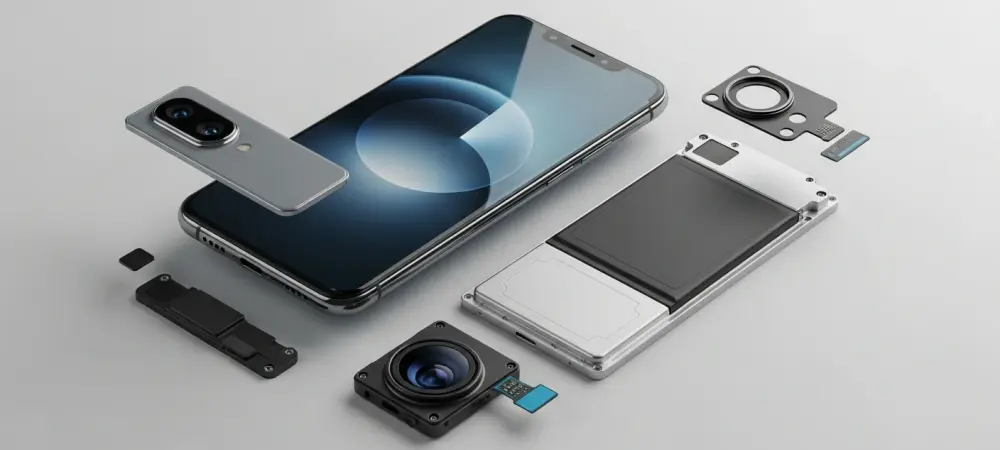
The persistent challenge for smartphone manufacturers has been to craft a device that is both elegantly thin and powerfully equipped, a quest that often results in significant compromises in battery life or camera capabilities. A new contender has emerged from Honor, the Magic 8 Pro Air, which aims to defy these conventional trade-offs. Now available to international consumers through direct import channels, this device presents a compelling alternative for those seeking an Android counterpart to the much-discussed conceptual Apple iPhone Air, forcing potential buyers to weigh its impressive specifications against the inherent risks and limitations of purchasing a device from outside their native market. This situation creates a crucial decision point: is the allure of a slim, feature-rich phone strong enough to navigate the complexities of international shipping, warranty differences, and software quirks?
The Allure of a Compromise-Free Design
Hardware Without Sacrifice
One of the most compelling aspects of the Honor Magic 8 Pro Air is its refusal to sacrifice core components in the pursuit of its slim 0.24-inch profile, a design choice that directly challenges the established norms in the ultra-thin smartphone category. Typically, a slender chassis necessitates a smaller battery to conserve internal space, leading to user anxiety about daily longevity. However, Honor has engineered this device to house a substantial 5,500mAh battery, a capacity that rivals and even surpasses many of its bulkier competitors. This ensures that users are not tethered to a charger, providing the confidence to get through a demanding day. Furthermore, the inclusion of a dedicated telephoto camera is a significant engineering feat. This component, often the first to be omitted in thin designs due to its physical depth requirements, allows for superior optical zoom and portrait photography, making the Magic 8 Pro Air a rare device that caters to both aesthetic sensibilities and the demands of mobile photography enthusiasts. These hardware decisions position the device not just as a design statement but as a fully-featured flagship.
The commitment to a high-end experience extends to the device’s performance and display technology, solidifying its position as a premium contender. At its core is the MediaTek Dimensity 9500 processor, a powerful chipset designed to handle intensive applications, high-end gaming, and seamless multitasking without a hitch. This processing power is complemented by generous memory and storage options, with configurations available up to a massive 1TB, catering to power users who require ample space for media and applications. The visual centerpiece is the 6.31-inch AMOLED display, which boasts an extraordinary advertised peak brightness of 6,000 nits. While such brightness levels are typically reserved for specific HDR content scenarios, this capability ensures unparalleled visibility even in direct sunlight, making the screen exceptionally readable outdoors. This combination of a high-performance processor, abundant storage, and a class-leading display demonstrates that the phone’s “Air” moniker refers exclusively to its physical form factor and not to any reduction in its technological prowess or user-facing capabilities.
The Financial and Logistical Equation
Importing the Honor Magic 8 Pro Air directly from a retailer like TradingShenzhen introduces a unique set of financial and logistical considerations that prospective buyers must carefully evaluate. The pricing structure is competitive for a flagship device, starting at approximately $898 for the 12/256GB model and scaling up to $1,097 for the top-tier 1TB version. While these figures are attractive, the total cost can be influenced by international shipping and potential import duties. The retailer offers a shipping window of 10 to 16 business days and has a policy of potentially reimbursing customers for any customs fees incurred, which can mitigate some of the financial uncertainty. However, the most significant trade-off lies in the warranty. Instead of the standard two-year warranty mandated in regions like Europe, buyers receive a one-year limited warranty serviced directly by the retailer. This arrangement means that any potential hardware issues would require coordinating international repairs, a process that could be more complex and time-consuming than dealing with a local service center, adding a layer of risk to the purchase.
Beyond the initial purchase, the reality of using a device designed for the Chinese market in an international setting presents its own set of practical hurdles. While the inclusion of a functional Google Play Store is a major advantage, allowing users to access the vast library of Android applications, certain software limitations are baked into the firmware. A notable drawback is the lack of support for the “OK Google” voice command, a convenience many Android users have come to rely on for hands-free operation. Another significant hardware limitation is the absence of eSIM support, meaning users are restricted to physical SIM cards. This could be a deal-breaker for frequent travelers or those who prefer the flexibility of managing multiple cellular plans digitally. These specific software and hardware omissions are critical factors that differentiate the imported model from a globally released version, and they must be weighed against the device’s cutting-edge design and impressive internal specifications when making a final purchasing decision.
Navigating the Import Decision
Assessing the User Experience
The decision to import the Honor Magic 8 Pro Air ultimately hinges on a user’s priorities and tolerance for the inherent compromises. For the technology enthusiast who values a device that pushes the boundaries of industrial design without forgoing flagship-level performance, the appeal is undeniable. This user is likely comfortable navigating minor software inconsistencies and understands the nuances of international warranties. The phone’s exceptional battery life, powerful processor, and versatile camera system deliver a premium experience that is difficult to find in such a slim package. The stunningly bright display further enhances its appeal, making it an excellent choice for media consumption and outdoor use. This demographic sees the device as a unique piece of hardware that offers a tangible advantage over more conventional, widely available smartphones, and for them, the benefits of its design and feature set may easily outweigh the logistical complexities and minor functional limitations associated with importing a region-specific model.
A Calculated Risk
In retrospect, the Honor Magic 8 Pro Air represents a compelling but calculated risk for international consumers. Its successful integration of a large battery and a telephoto lens within an ultra-thin frame was a notable engineering achievement that addressed a long-standing compromise in the smartphone market. For those who proceed with the import, the primary challenges are navigating the shorter, retailer-based warranty and adapting to the specific software limitations of the Chinese model, such as the absence of certain voice commands and eSIM functionality. The device’s competitive pricing makes it an attractive proposition, but the decision requires a careful evaluation of personal priorities. Ultimately, the choice to import is best suited for seasoned tech enthusiasts who value cutting-edge design and are prepared to manage the practical realities of owning a device not officially sold in their region.