

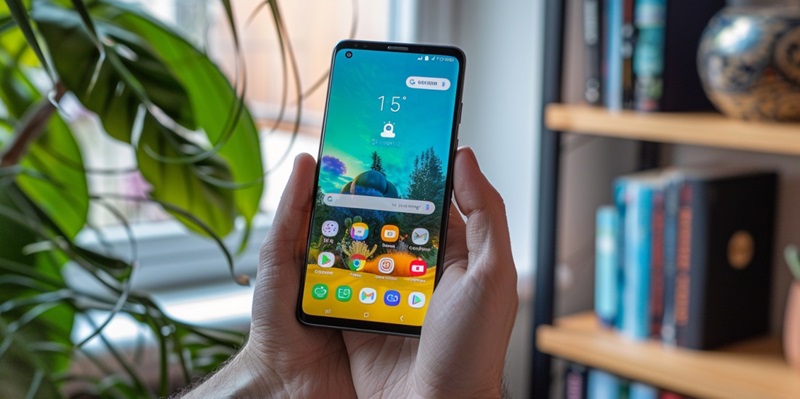
The smartphone industry is on the cusp of a new era with the launch of Google’s Pixel 9 series, a collection that’s as much about personal style as it is about state-of-the-art technology. Each model from the series is set to stand out not just for its technical specifications, but also for its visual appeal, featuring a range of colors thoughtfully chosen to reflect individual preferences and current design trends.
Distinctive Design and Color Palette
A Spectrum of Choices
Google has taken a leap with its latest Pixel 9 series by offering a broad spectrum of colors aimed at capturing the heart of every potential customer. The standard Pixel 9 models are expected to come in universally appealing Jade green and Obsidian black, as well as a softer Pink shade and an elegant, muted Porcelain gold. This variety isn’t just about looking good; it’s about resonating with the consumer’s sense of identity and style. Each color is designed not only to be visually pleasing but also to evoke a certain mood or feeling, aligning the device with the user on a more personal level.
Pro Models’ Exclusive Hues
For those looking for something even more premium, the Pixel 9 Pro and Pixel 9 Pro XL step up the exclusivity with additional shades: Hazel and Rose. These high-end variants do not just signify status but are a nod to the discerning taste of the user who craves uniqueness. It’s a strategic move by Google, as these exclusive colors create a sense of luxury and distinction that can help the brand compete against other tech giants known for their own signature hues.
Technological Prowess and User Experience
The Art of Pixel Wallpapers
In a bid to provide a cohesive user experience, Google has decided to bring the wallpaper design process in-house. The move is more than a quest for aesthetic appeal; it represents an attempt to forge a deeper connection between the device and its owner. By curating wallpapers that complement the hardware, Google aims to create a seamless and immersive experience—one where the lines between design and function blur, and where each element of the phone reflects the company’s commitment to unity and a user-centric philosophy.
Advanced Camera Systems
With the Pixel 9 series, Google demonstrates its dedication to photographic excellence. The standard Pixel 9 is equipped with a capable dual-camera system that promises to capture life’s moments with clarity and vivid detail. Meanwhile, the Pixel 9 Pro and Pixel 9 Pro XL elevate this commitment further with a triple-camera array, bringing enhanced versatility and precision to mobile photography. This focus on camera performance is not just about keeping up with competitors; it’s about upholding a reputation for innovation and quality that Pixel users have come to expect.
Embracing Flexibility with the Pixel 9 Pro Fold
Folding Into the Future
The Pixel 9 Pro Fold marks a significant milestone in Google’s journey, underscoring a future-forward approach to smartphone design. With a foldable form factor, this model targets a niche audience that values innovation and adaptability. The foldable market is still burgeoning, and by stepping into this space, Google signals its readiness not just to participate, but to lead in an evolving category. It is a bold move that could either set a new standard or serve as a valuable learning curve.
Navigating Market Dynamics
Google is redefining the smartphone game with its latest Pixel 9 series—an innovative lineup that merges cutting-edge technology with custom flair. These models go beyond conventional tech norms, showcasing a selection of colors that resonate with both personal style choices and the pulse of contemporary design movements.
Each Pixel 9 device boasts impressive tech specs and features, but their real allure lies in their visual design. Google has crafted a palette that caters to a spectrum of personalities and tastes, ensuring that users don’t just receive a powerful gadget but a style statement, too.
The industry buzz suggests that the Pixel 9 could lead a revolution in how we perceive smartphones; they are transforming from mere tools to an extension of one’s personal brand. By doing so, Google isn’t only selling a piece of technology—it’s offering an accessory that complements who you are.
Anticipation is high as consumers await the official release. The blend of aesthetics and innovation in the Pixel 9 may set a new standard, where the look of a phone has as much weight as its technical prowess, creating a truly immersive and personalized tech experience.