

The intersection of artificial intelligence and sustainable infrastructure has reached a critical turning point as tech giants look for ways to power the digital revolution without draining local resources. Google’s announcement of a massive new data center in Wilbarger County, Texas, serves as a primary example of how corporate giants are rethinking their environmental footprint. This project is not just about adding server capacity; it represents a fundamental shift in how industrial facilities interact with the electrical grid and local ecosystems.
This article examines the strategic innovations behind the Wilbarger facility, exploring how it differs from traditional data centers. Readers will discover the mechanics of the power-first methodology, the implementation of water-saving technologies, and the long-term economic implications for the North Texas region. By addressing these key components, the discussion highlights a new blueprint for industrial growth that prioritizes resource conservation alongside technological advancement.
Key Questions Regarding the Texas Expansion
What Is the Power First Methodology and How Does It Work?
Traditional industrial development often involves building a facility and then waiting years for the local utility to provide sufficient power through complex grid expansions. In contrast, the collaboration between Google and the energy firm AES utilizes a power-first strategy that flips this script. By co-locating the data center directly with new renewable energy plants, the developers ensure that the facility’s energy needs are met by new, clean sources from the very first day of operation.
This synchronized approach minimizes the strain on the existing public electrical grid, which is often already burdened by growing demand. Moreover, it allows for a more efficient use of infrastructure, as the energy does not have to travel long distances across transmission lines. This model provides a reliable template for other hyperscalers who need to scale their AI and cloud capabilities rapidly while adhering to strict carbon-neutrality goals.
How Does This Project Impact Local Water Resources?
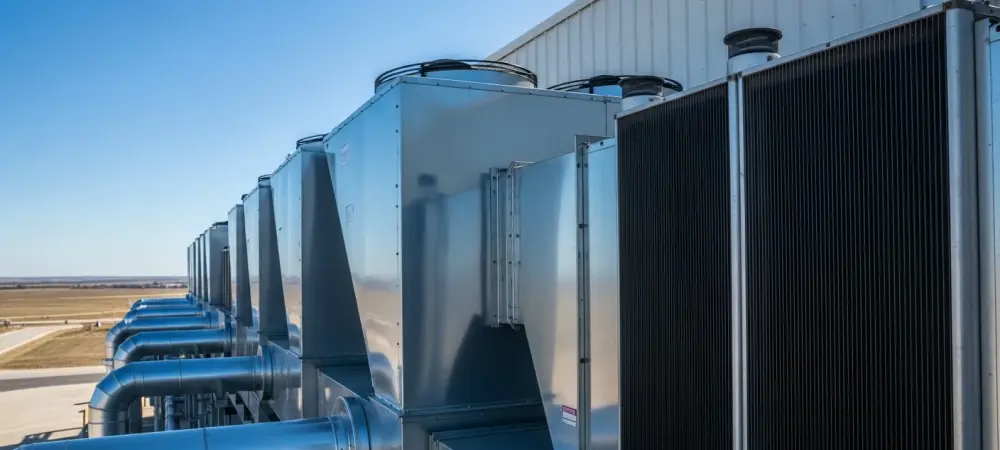
Water scarcity is an increasingly pressing concern in Texas, leading many to question the high water usage typically associated with cooling massive server farms. However, the Wilbarger County site is designed to employ advanced air-cooling technology, which significantly reduces the need for liquid evaporation. Aside from standard domestic uses like kitchens or restrooms, the facility aims to eliminate operational water consumption, setting a high standard for future tech developments in arid regions.
Beyond simply reducing use, the initiative includes a commitment to water stewardship through partnerships with organizations like Texas Water Trade and Texan by Nature. These collaborations focus on replenishing more water than the facility consumes, supporting local conservation efforts that benefit the broader community. This proactive management style ensures that technological progress does not come at the expense of the state’s most vital natural resources.
What Does This Mean for the Economy of North Texas?
The expansion into Wilbarger County is part of a massive forty billion dollar investment strategy Google has planned for Texas through 2027. This financial commitment translates into high-tech jobs and significant tax revenue for local municipalities, reinforcing the state’s position as a leader in the global digital economy. By securing long-term power purchase agreements spanning twenty years, the partnership ensures a stable and predictable economic contribution to the region for decades.
Furthermore, the involvement of AES, which manages nearly twelve gigawatts of energy for data center clients, brings specialized expertise in cost optimization and energy management. This professional oversight helps keep energy prices stable for the local community by adding new capacity to the overall system rather than just consuming existing supply. Consequently, the project bolsters American leadership in artificial intelligence while fostering sustainable industrial growth within the local community.
Summary of Innovations
The strategic partnership in Wilbarger County successfully integrated renewable energy production with digital infrastructure, creating a more autonomous model for industrial development. By prioritizing direct access to clean power and adopting air-cooling systems, the project addressed the primary environmental criticisms often directed at large-scale technology hubs. These efforts demonstrated that it was possible to maintain rapid digital growth while actively participating in local environmental restoration.
The financial scale of the investment further solidified Texas as a central hub for the future of the internet. By utilizing long-term agreements and local conservation partnerships, the developers provided a stable framework that balanced corporate needs with public interests. This holistic approach ensured that the infrastructure would remain a functional and beneficial part of the regional landscape for the long haul.
Final Thoughts
The shift toward co-located clean energy and water-positive operations suggested that the next generation of data centers would be defined by their ability to coexist with nature. Stakeholders should now consider how these modular, self-sustaining models might be applied to other sectors beyond the tech industry. As digital demands continue to grow, the lessons learned in Texas will likely inform how urban and rural planning evolves to accommodate the energy needs of an automated world.
Individuals and policymakers should watch these developments closely to determine how direct energy partnerships can be incentivized elsewhere. Transitioning to a more resilient and independent infrastructure requires a departure from old utility models and an embrace of specialized, site-specific solutions. Embracing these changes today will determine the sustainability of the global digital network for years to come.