

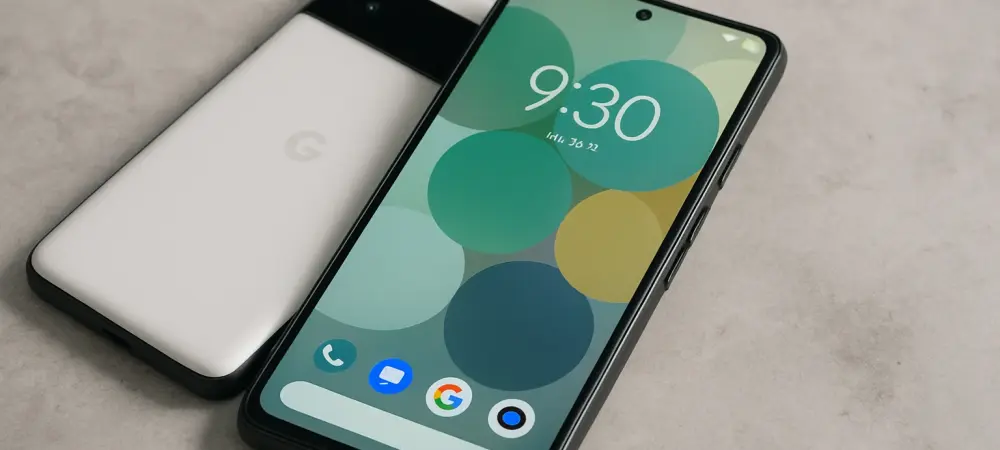
Why does a smartphone that’s barely hit the shelves already feel like yesterday’s news? In a world where tech evolves at breakneck speed, the Google Pixel 10a has sparked heated discussions among enthusiasts and budget-conscious buyers across India, with rumors and leaks suggesting this latest addition to Google’s affordable A-series might not deliver the knockout value that defined its predecessors. Many are left wondering if the budget flagship crown is slipping from Google’s grasp. This isn’t just about a single device—it’s about whether affordable innovation can still keep pace with skyrocketing expectations.
The Stakes for Budget Smartphones
In today’s smartphone landscape, where premium devices often carry price tags north of $1,000, the Pixel A-series has long stood as a beacon for those seeking flagship-like experiences without draining their wallets. This lineup has consistently punched above its weight, blending solid performance with Google’s signature software polish. With over 60% of Indian smartphone users prioritizing affordability over bells and whistles, according to a 2025 Counterpoint Research report, any misstep in this segment could reshape brand loyalty and market dynamics. The Pixel 10a’s rumored specs have put it under a microscope, raising questions about whether Google can maintain its grip on this critical niche.
The significance of this moment extends beyond a single phone launch. As competitors like Xiaomi and Samsung flood the mid-range market with feature-packed options—think telephoto cameras and cutting-edge chipsets—the pressure is on for Google to justify its place. If the Pixel 10a fails to impress, it risks not only losing fans but also ceding ground in a segment where value is king. This story isn’t just about specs; it’s about the future of accessible tech for millions.
Unpacking the Pixel 10a Rumors
Diving into the leaks circulating on Telegram from tipster MysticLeaks, the Pixel 10a appears to be a cautious step rather than a bold leap. It’s reportedly powered by the Tensor G4 chipset, the same processor found in last year’s Pixel 9 series, including the Pixel 9a. While this ensures decent performance, it signals a plateau—no significant boost in speed or efficiency to set it apart. Storage remains at UFS 3.1, matching its predecessor, and there’s no whisper of a telephoto camera, a feature now almost standard in rival mid-range devices.
What’s more, the absence of Google’s shiny new AI tool, Magic Cue, stings. Debuted in the flagship Pixel 10 lineup, this feature weaves information across apps for smarter user interactions, yet it’s missing from the 10a, at least at launch. The display, rumored to peak at 2,000 nits of brightness, sounds promising for outdoor visibility, but lacks other notable upgrades. Compared to the Pixel 9a’s 6.3-inch pOLED screen with a 60Hz-120Hz adaptive refresh rate and a 48-megapixel camera setup, the 10a feels like a sideways shuffle rather than a stride forward.
These tidbits paint a sobering picture. For a series known for bridging the gap between budget and premium, the Pixel 10a’s leaked specs suggest Google might be dialing back ambition. This isn’t just a spec sheet—it’s a potential shift in how the company defines “affordable excellence,” leaving fans to question if the value proposition still holds.
Tech Community Weighs In
The tech sphere is abuzz with opinions on these leaks, even as Google stays silent on official details. Forums and social media platforms are rife with speculation that reusing the Tensor G4 chipset and skipping Magic Cue reflects a calculated move to widen the divide between budget and flagship tiers. A tech commentator on X remarked, “Google seems to be testing the waters—how much can they scale back the A-series and still keep buyers hooked?” This sentiment echoes a broader concern that the company might be prioritizing profit margins over innovation in the affordable segment.
Analysts also point to a growing trend of differentiation in smartphone lineups. With flagship devices increasingly packed with exclusive features—think advanced AI or specialized lenses—budget models risk becoming mere shadows of their pricier siblings. Without hands-on reviews or confirmed specs, the narrative leans toward disappointment for a fanbase that once celebrated the A-series as a disruptor. The consensus seems to be that Google’s balancing act between cost and capability might be tilting too far from what made the series special.
How Pixel Fans Are Reacting
Among Pixel loyalists, the leaked details have sparked a mix of cautious optimism and outright skepticism. Many express frustration over the lack of a performance bump, with some taking to online communities to voice concerns about settling for “last year’s tech” at a presumably similar price point. A user on a popular tech subreddit noted, “If the 10a is just a rehash of the 9a, why not grab the older model at a discount?” This reflects a pragmatic mindset—why pay for marginal gains when the current offering still holds up?
Others, however, urge patience, pointing out that leaks don’t tell the full story. Google has a history of surprising consumers with unannounced perks or aggressive pricing strategies at launch. Still, the uncertainty has pushed some to scout alternatives from brands like OnePlus, which often pack newer chipsets into competitively priced devices. The mood among fans suggests a crossroads—stick with a trusted name or jump ship if the value isn’t there.
What This Means for the Market
Zooming out, the Pixel 10a’s trajectory could signal a broader shift in how tech giants approach budget segments. Historically, Google’s A-series has thrived by borrowing flagship DNA—same chipsets, similar camera prowess—at a fraction of the cost. If the leaks hold true, this divergence might encourage competitors to double down on feature-rich mid-range phones, further crowding an already cutthroat space. Samsung’s Galaxy A-series, for instance, often includes perks like expandable storage, a rarity in Pixel devices, which could sway undecided buyers.
Market data underscores the stakes. A 2025 IDC report highlights that mid-range smartphones (priced between $200 and $400) account for nearly 45% of global shipments, a segment where innovation drives volume. If Google leans too heavily on recycled specs, it risks alienating a massive audience hungry for progress, even at budget price points. This isn’t just a Pixel problem—it’s a litmus test for whether affordability and advancement can still coexist in today’s hyper-competitive arena.
Looking Back and Moving Forward
Reflecting on the buzz surrounding the Pixel 10a, it becomes clear that Google faces a pivotal moment in balancing affordability with aspiration. The leaked specs, from the reused Tensor G4 chipset to the missing Magic Cue feature, suggest a conservative approach that contrasts sharply with the A-series’ legacy of overdelivering. This has left a distinct impression on fans and analysts alike, who grapple with whether the device can still claim the budget flagship mantle. For those eyeing the Pixel 10a, the path forward involves staying vigilant as official details emerge, ready to compare final specs and pricing against the Pixel 9a or rival offerings. Exploring alternatives from brands pushing boundaries in the mid-range space is also wise, ensuring decisions align with personal priorities—be it camera quality, performance, or unique features. Ultimately, the conversation has shifted toward a broader demand: tech companies need to keep pushing the envelope, even in budget tiers, to meet the evolving needs of a discerning global audience.