

Unveiling the Mini PC Landscape: Current State and Significance
Imagine a world where a device no bigger than a paperback book can handle the most demanding AI workloads or power through high-end gaming with ease. This is no longer a distant dream but a tangible reality in the mini PC industry, which has seen explosive growth over recent years. As personal and professional computing demands evolve, these compact powerhouses are stepping into the spotlight, offering solutions for hybrid work environments, home entertainment setups, and beyond. The market’s expansion reflects a growing preference for space-saving technology without compromising on performance, setting the stage for groundbreaking innovations.
Today, the mini PC sector spans diverse segments, from gaming rigs to business workstations, with major players like GMKtec and Intel driving competition alongside other established brands. Technological advancements have fueled this surge, with a clear shift toward high-performance systems packed into smaller form factors. Moreover, the integration of AI-driven solutions is redefining what these devices can achieve, making them indispensable in modern workflows. As traditional desktops face obsolescence in many settings, mini PCs are carving out a crucial role, promising versatility and efficiency for users worldwide.
GMKtec’s EVO-T2: A Leap in Mini PC Technology
Cutting-Edge Features and Industry Trends
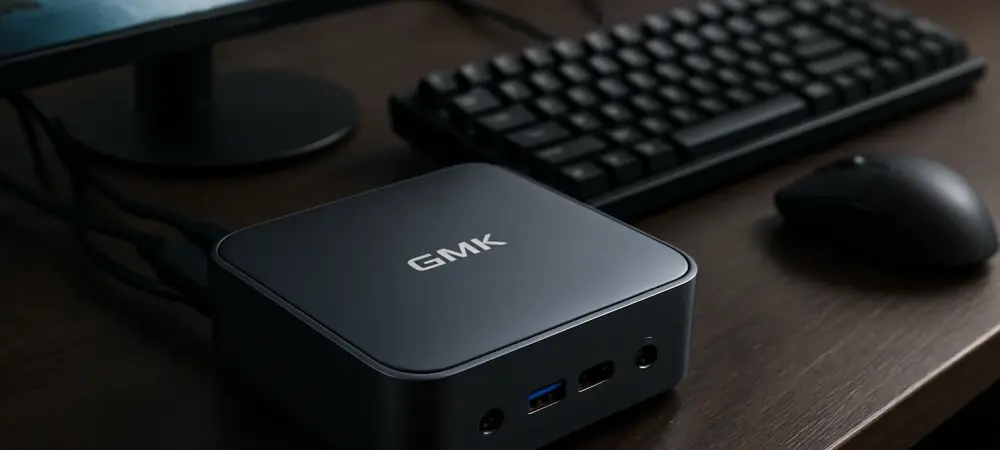
At the forefront of this revolution stands GMKtec’s latest offering, the EVO-T2, poised to redefine expectations with its staggering specifications. Equipped with Intel’s Panther Lake H 12Xe3 processor from the Core Ultra 300H series, this mini PC boasts a configurable thermal design power of up to 80 watts, alongside support for 128 GB of LPDDR5X RAM at a blistering 10,677 MT/s. With dual SSD slots offering up to 16 TB of storage, including PCIe 5.0 capabilities, it aligns perfectly with the industry’s push toward compact yet powerful systems catering to both personal and professional needs.
This device also taps into broader trends shaping mini PC development, notably the rising demand for AI-focused computing and portable designs. Consumers increasingly seek machines that balance raw power with mobility, a need the EVO-T2 addresses head-on with its forward-thinking hardware. Beyond raw specs, it opens doors for innovation in AI workloads, positioning itself as a potential game-changer for business applications. Such advancements highlight how manufacturers are racing to meet evolving expectations with cutting-edge solutions.
Performance Projections and Market Impact
GMKtec’s bold claim of delivering up to 180 TOPS of AI compute performance signals a significant leap for mini PCs handling intensive tasks. If realized, this capability could propel the EVO-T2 into a leadership position within the market, particularly for users reliant on AI tools. Compared to its predecessor, the EVO-T1, which featured a Core Ultra 9 285H processor and 64 GB of DDR5 RAM, the newer model offers a substantial upgrade, promising to outshine existing competitors in both power and efficiency.
Looking ahead, the early 2026 launch window positions this device to capture attention from tech enthusiasts and professionals alike. Industry data suggests a growing appetite for compact systems with high-end specs, and the EVO-T2 could catalyze further market expansion. Its introduction might accelerate adoption rates, especially as hybrid work and AI-driven tasks become more prevalent, potentially reshaping how the sector evolves over the coming years.
Challenges in Pushing Mini PC Boundaries
However, innovation on this scale is not without hurdles. One pressing concern for the EVO-T2 lies in thermal management, given its 80-watt TDP processor squeezed into a compact chassis. Ensuring effective cooling without compromising the form factor will be critical to maintaining performance under load. GMKtec must prioritize rigorous testing and advanced cooling solutions to address this challenge and deliver on the promised capabilities.
Beyond technical obstacles, market dynamics pose additional risks. With pricing details yet to be revealed, the EVO-T2 faces scrutiny against established mini PC and laptop brands that dominate consumer trust. Competition is fierce, and affordability will play a pivotal role in its success. Additionally, optimizing AI software stacks for real-world use and ensuring seamless hardware compatibility remain complex issues that could impact user experience if not handled adeptly.
Navigating the Regulatory and Compliance Terrain
Another layer of complexity emerges from the regulatory landscape governing mini PCs. Energy efficiency standards and electronic device certifications are non-negotiable for market entry, demanding strict adherence to international safety and performance benchmarks. Compliance ensures consumer confidence and global acceptance, a factor GMKtec cannot overlook as it prepares for the EVO-T2’s rollout in early 2026.
Intel’s involvement offers a degree of assurance, as the Panther Lake platform is likely designed with security and compatibility requirements in mind. Nevertheless, evolving regulations could influence design choices or delay market entry if not anticipated. Staying ahead of these changes will be essential for GMKtec to navigate potential roadblocks and ensure a smooth launch across diverse regions.
The Horizon of Mini PC Innovation: What Lies Ahead
Peering into the future, the EVO-T2 serves as a benchmark for what mini PCs might achieve with deeper AI integration and even smaller designs. The trajectory suggests a market increasingly oriented toward sustainable and versatile computing solutions, where consumer preferences may favor eco-friendly materials and multi-purpose devices. GMKtec could capitalize on these shifts by embedding adaptability into its long-term strategy.
Yet, disruptors loom on the horizon. Alternative architectures or competing technologies might challenge Intel’s dominance, pushing manufacturers to explore uncharted paths. Global economic factors and innovation cycles, from supply chain constraints to geopolitical tensions, will also shape the industry’s direction over the next decade. Navigating this uncertain terrain will test the resilience and foresight of companies like GMKtec as they strive to stay relevant.
Reflecting on Findings and Future Outlook
Looking back, the exploration of GMKtec’s EVO-T2 painted a picture of ambition intertwined with uncertainty, as its groundbreaking specifications clashed with practical challenges like thermal management and market competition. The industry analysis revealed a sector ripe for transformation, driven by AI and compact design trends. Regulatory and future-oriented discussions underscored the intricate balance between innovation and compliance that defined this space.
Moving forward, actionable steps emerged as a priority. GMKtec should focus on transparent communication about pricing and performance metrics to build trust among potential users. Investing in robust testing phases to validate AI capabilities and cooling efficiency stood out as critical for success. As the mini PC market continues to evolve, fostering partnerships with software developers to optimize applications for such hardware offered a promising avenue to enhance value and drive broader adoption.