

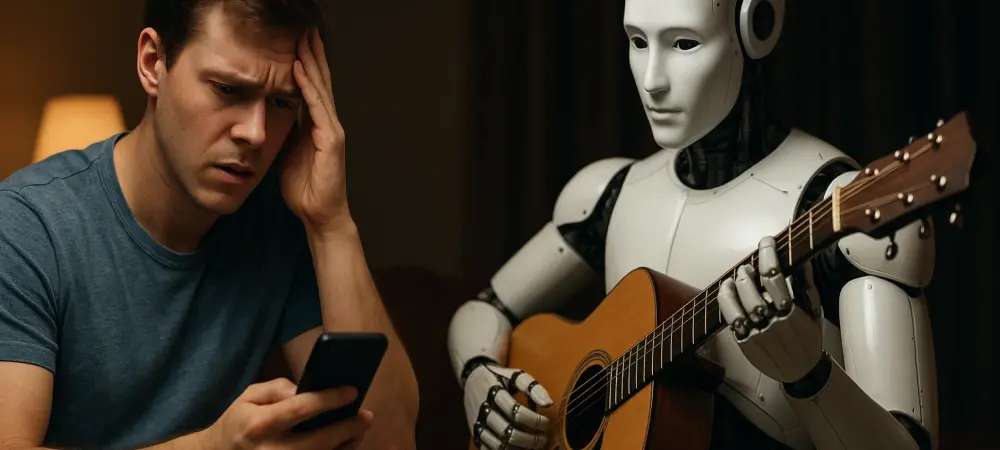
The incremental nature of AI adoption makes it difficult for the public to draw a definitive line against the displacement of traditional artistic methods. As generative artificial intelligence weaves itself into the fabric of the creative industries, the boundary between human-led craftsmanship and algorithmic output continues to blur. From 2026 to 2028, the industry anticipates a surge in automated content creation that challenges the very definition of art. This evolution is not a sudden takeover but a gradual infiltration into the mundane aspects of production, where efficiency often takes precedence over emotional depth. While tools like large language models and diffusion networks were initially used for administrative tasks, their presence in high-budget films and games has sparked a heated debate. The primary challenge lies in determining whether the convenience of technology outweighs the intrinsic value of human intention. As these tools become more sophisticated, the entertainment landscape faces a critical turning point that could redefine creativity for decades to come.
The Algorithm’s Shadow: Efficiency Versus Artistic Intent
A central point of contention remains the fundamental difference between synthesis and true creation within the digital space. Generative AI does not possess lived experiences or emotions; instead, it functions as a high-speed synthesizer that identifies patterns in existing human-made datasets to produce a desired output. This mechanical process lacks the intentionality that has historically defined great works of literature, music, and visual art. When a machine generates a landscape or a script, it is not expressing a perspective but rather fulfilling a statistical probability based on its training. Critics argue that this leads to a homogenization of culture, where content feels familiar yet hollow. The absence of a soul in these works is more than just a philosophical complaint; it is a recognition that art is a form of communication between humans. Without that human connection, entertainment risks becoming a mere commodity, stripped of the nuances that make it resonate on a deep, personal level with an audience.
The Corporate Incentive: Threatening the Viability of Creative Careers
This systemic shift toward automation introduces a precarious future for the next generation of creative professionals seeking to establish their careers. If major production houses can utilize algorithms to generate background assets, secondary characters, or atmospheric music, the entry-level roles that once served as training grounds for artists may disappear. The long-term viability of artistic professions is currently under threat as corporations prioritize short-term cost savings over the preservation of a skilled workforce. This trend creates a significant friction point between the corporate drive for profitability and the societal need for authentic storytelling. As the industry moves from 2026 to 2030, the pressure to adopt AI tools will likely intensify, forcing a reevaluation of how labor is valued in the digital age. The concern is that by the time the full impact of this displacement is understood, the infrastructure for developing human talent will have been irreparably damaged, leaving the industry reliant on automated systems.
The Incremental Shift: Examining Automation in Modern Media
The subtle creep of AI into major productions is best observed through recent case studies that have divided fanbases and sparked intense online discourse. In the television landscape, the third season of AMC’s Interview with the Vampire faced scrutiny when viewers identified AI-influenced aesthetics in its opening visuals. This discovery created a rift among fans who appreciated the show’s gothic atmosphere but felt betrayed by the inclusion of automated tools in a project known for its high production values. Similarly, in the video game industry, developers like Red Barrels have utilized generative tools for supplemental environmental details in The Outlast Trials. By using algorithms to generate posters and background textures, studios aim to reduce the time spent on repetitive tasks. However, this incremental adoption makes it difficult for consumers to distinguish between human craft and algorithmic output, leading to a state where automated elements become the normalized standard for background assets in high-budget media.
The Moral Quandary: Balancing Support and Ethical Consumption
Navigating the ethical landscape of modern entertainment has become a complex task for audiences who wish to support human creators while opposing the encroachment of generative AI. This dilemma creates a no-win scenario for the conscientious consumer who values both the craft and the workers behind it. When a fan chooses to boycott a television series or a video game because of its use of automated tools, they are not only protesting corporate policy but also withdrawing financial and social support from the human actors, writers, and technicians involved. These professionals may have spent years of their lives on a project, and their success is often tied to the commercial performance of the final product. Consequently, a broad protest against AI can inadvertently harm the very individuals the public seeks to protect. This tension has led to a fragmented response from audiences, where many feel compelled to continue engaging with media they find ethically questionable to ensure the survival of human-led franchises.
The Future Path: Actions to Preserve Human-Led Craftsmanship
The recent shifts in the entertainment landscape demonstrated that a purely technological approach to creativity risked alienating the very audiences it sought to serve. To address these challenges, several industry leaders established new standards for transparency, requiring clear disclosures whenever generative tools contributed to a production. This move allowed consumers to make informed decisions and supported a human-made certification process that highlighted the value of traditional craftsmanship. Furthermore, educational institutions restructured their curricula to emphasize the intersection of ethics and technology, preparing the next generation of artists to navigate a hybrid environment. For those looking to support the future of human-led media, the focus turned toward backing independent creators and studios that publicly committed to human-only creative pipelines. By prioritizing intentionality over algorithmic speed, the industry began to find a balance that respected the labor of artists. Ultimately, the preservation of the arts relied on a collective refusal to let efficiency define the limits of human imagination.